

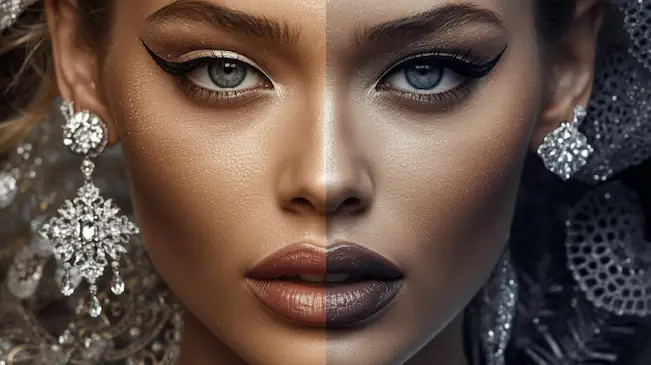
A detailed comparison of Luxury Fashion Jewelry Brands exploring heritage houses versus contemporary designer labels.
Key Takeaways
- Luxury Fashion Jewelry Brands balance brand prestige, craftsmanship, and fashion driven design innovation.
- Heritage labels like Chanel and Dior offer timeless recognition, while contemporary brands prioritize originality.
- Contemporary designer jewelry labels appeal through sustainability, storytelling, and direct to consumer strategies.
- Choosing between heritage and contemporary brands depends on personal style, budget, and lifestyle priorities.
Luxury fashion jewelry occupies a distinctive space within the global accessories market. It sits between fine jewelry and costume pieces, combining fashion driven design with premium materials, brand prestige, and cultural relevance. As consumer tastes evolve, buyers increasingly compare long established heritage houses with newer, contemporary designer labels before investing in statement accessories.
This long form guide examines luxury fashion jewelry brands through a comparative lens. It explains how heritage labels and modern designers differ in craftsmanship, aesthetics, pricing, and long term appeal. By breaking down real world brands, current market trends, and buyer considerations, this article provides a clear, research driven framework for understanding today’s high end jewelry landscape.
What Defines Luxury Fashion Jewelry in Today’s Market:
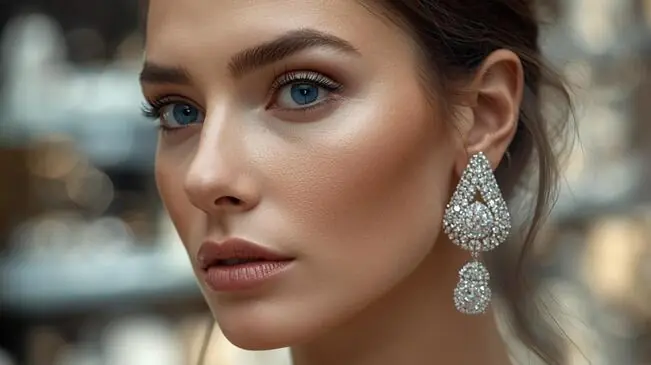
Luxury fashion jewelry is defined less by intrinsic gemstone value and more by design authority, brand heritage, and cultural impact. Unlike fine jewelry, which prioritizes precious stones and investment grade materials, luxury fashion jewelry focuses on craftsmanship, visual identity, and alignment with fashion trends.
High end jewelry brands in this category often produce seasonal collections that mirror runway themes, editorial narratives, and global style movements. These pieces are designed to elevate wardrobes rather than function solely as heirloom assets. As a result, luxury fashion jewelry brands maintain strong relevance within the broader ecosystem of luxury accessories brands.

Materials Craftsmanship and Design Standards:
Most luxury fashion jewelry brands use materials such as sterling silver, gold vermeil, brass with premium plating, enamel, resin, pearls, and semi precious stones. Craftsmanship standards remain high, with many pieces produced in European ateliers or specialized workshops.
Design consistency is critical. Heritage brands rely on archival motifs and instantly recognizable symbols, while contemporary designer jewelry labels emphasize sculptural forms, experimental textures, and storytelling led aesthetics. In both cases, the craftsmanship must support long term wear, visual impact, and brand credibility.
Typical Pricing Ranges and Market Segmentation:
Pricing for luxury fashion jewelry generally ranges from the mid hundreds to several thousand dollars. Entry level earrings, rings, or bracelets often sit at accessible luxury price points, while statement necklaces and runway inspired pieces command higher premiums.

Across Western markets, pricing remains relatively consistent, reflecting globalized luxury positioning. Buyers are typically paying for brand authority, design innovation, and cultural cachet rather than raw material value alone.
Heritage Luxury Fashion Jewelry Brands and Their Enduring Appeal:
Heritage luxury fashion jewelry brands are rooted in decades of fashion history. Often linked to iconic couture houses, these labels benefit from strong brand recognition, established design codes, and enduring consumer trust. Their jewelry collections extend the fashion house identity into accessories, reinforcing prestige across product categories.
Iconic Heritage Brands in Luxury Fashion Jewelry:
Several globally recognized fashion houses dominate this space. Chanel remains synonymous with costume inspired luxury jewelry, known for its camellia motifs, pearls, and interlocking logos. Dior’s jewelry collections reflect Parisian elegance, often incorporating romantic detailing and refined silhouettes.
Gucci’s fashion jewelry blends heritage branding with bold, maximalist elements, frequently featuring logo hardware and vintage inspired designs. Saint Laurent emphasizes sleek, minimalist glamour, while Hermès applies its craftsmanship ethos to understated, sculptural jewelry. Bulgari, although historically a fine jeweler, also produces fashion forward collections that align closely with luxury fashion cycles.
These brands consistently appear in runway shows, editorial spreads, and celebrity styling, reinforcing their authority within the luxury accessories market.
Strengths of Heritage Jewelry Labels:
The primary strength of heritage brands lies in brand equity. Decades of fashion influence create immediate recognition and trust. Their jewelry often reflects a consistent visual language, making pieces easily identifiable and timeless within the brand’s universe.
Heritage luxury fashion jewelry brands also benefit from global distribution, strong resale recognition, and frequent inclusion in fashion archives. This visibility sustains long term desirability, particularly among buyers who value tradition and brand legacy.
Limitations and Considerations:
While heritage labels offer prestige, they often command higher price premiums driven by branding rather than material differentiation. Design experimentation can be limited, as brands must protect established identities.
For buyers seeking individuality or unconventional design, heritage jewelry may feel predictable. Seasonal collections can also cycle quickly, making some pieces feel less distinctive over time.
Contemporary Designer Jewelry Labels Driving Modern Luxury:
Contemporary designer jewelry labels have reshaped expectations within the luxury fashion jewelry segment. Emerging primarily in the past two decades, these brands emphasize innovation, storytelling, and emotional connection over legacy alone. They resonate strongly with younger luxury consumers who prioritize design originality and ethical considerations.
Leading Contemporary Luxury Fashion Jewelry Brands:
Several contemporary brands have achieved global recognition. Bottega Veneta’s jewelry collections reflect the brand’s modern luxury philosophy, featuring sculptural forms and bold metallic finishes. Jacquemus incorporates playful minimalism and Mediterranean inspired aesthetics into its accessories.
Alighieri is known for its raw, myth inspired designs that emphasize texture and imperfection. Completedworks focuses on artistic silhouettes that blur the line between jewelry and wearable art. Missoma has gained popularity for accessible luxury pieces that balance trend led design with everyday wearability. Foundrae merges symbolic storytelling with refined craftsmanship, appealing to buyers seeking meaning driven luxury.
These designer jewelry labels are widely featured in fashion media, worn by influencers and celebrities, and supported by strong digital engagement.
Why Contemporary Brands Are Gaining Popularity:
Contemporary luxury fashion jewelry brands benefit from direct to consumer strategies, social media visibility, and editorial storytelling. Their designs often feel more personal and expressive, aligning with modern values of individuality and self curation.
Sustainability initiatives also play a role. Many contemporary labels emphasize recycled metals, ethical sourcing, and transparent production, responding to evolving consumer expectations across global markets.
Potential Trade Offs:
Despite their appeal, contemporary brands often lack the historical weight of heritage houses. Long term resale value and collectibility can be less predictable. Some labels are still refining their identities, which may impact consistency across collections.
Buyers must also consider longevity, as newer brands may evolve rapidly or shift design directions over time.
Heritage vs Contemporary Luxury Fashion Jewelry Brands Compared:
A direct comparison highlights how heritage and contemporary luxury fashion jewelry brands serve different buyer priorities. Understanding these differences allows for informed purchasing decisions grounded in style, value, and lifestyle alignment.
Design Philosophy and Aesthetic Identity:
Heritage brands rely on recognizable motifs, refined proportions, and archival continuity. Their jewelry often complements classic wardrobes and formal styling.
Contemporary designers favor experimentation. Asymmetry, organic forms, and unconventional materials are common, appealing to fashion forward consumers seeking standout pieces.
Brand Prestige and Cultural Influence:
Heritage labels carry generational prestige and global recognition. Their jewelry benefits from association with iconic fashion moments and long standing cultural relevance.
Contemporary brands exert influence through digital platforms, runway disruption, and editorial storytelling. Their cultural impact is immediate and trend driven rather than historically anchored.
Price Positioning and Perceived Value:
Heritage luxury fashion jewelry brands typically command higher prices due to brand legacy and global positioning. Contemporary brands may offer more accessible entry points while still delivering premium design and craftsmanship.
Perceived value depends on whether buyers prioritize name recognition or design innovation.
Longevity Collectibility and Style Longevity:
Heritage jewelry often retains stylistic relevance across decades, especially signature designs. Contemporary pieces may feel more season specific but can become cult classics if design resonance endures.
Longevity ultimately depends on personal styling preferences and wardrobe integration.
How to Choose Between Heritage and Contemporary Designer Jewelry:
Selecting between heritage and contemporary luxury fashion jewelry brands requires clarity around personal priorities rather than assumptions about prestige alone.
Personal Style and Wardrobe Alignment:
Buyers with classic, tailored wardrobes often gravitate toward heritage labels that complement timeless silhouettes. Those with minimalist or expressive wardrobes may prefer contemporary designer jewelry labels that act as focal points.
Occasion Wear vs Everyday Luxury:
Heritage jewelry often excels in formal or professional settings. Contemporary designs frequently transition well from day to evening, supporting versatile styling.
Budget and Investment Mindset:
For buyers viewing jewelry as a long term wardrobe investment, heritage brands offer predictability. Contemporary brands appeal to those prioritizing emotional connection and design led value.
Key Trends Shaping Luxury Fashion Jewelry Brands in 2026:
Several trends continue to influence the direction of luxury fashion jewelry brands. Sustainability remains central, with increased use of recycled metals and responsible sourcing. Gender neutral designs are expanding market reach, reflecting broader shifts in fashion inclusivity.
Bold sculptural forms dominate recent collections, emphasizing jewelry as wearable art. Digital engagement through livestreamed runway shows and social commerce further amplifies brand visibility across global audiences.
FAQs
What are the most established luxury fashion jewelry brands today?
Brands such as Chanel, Dior, Gucci, Saint Laurent, Hermès, and Bulgari remain among the most established and globally recognized.
Are contemporary designer jewelry labels considered true luxury?
Yes, many contemporary labels meet luxury standards through design excellence, craftsmanship, and cultural relevance despite shorter histories.
How do luxury fashion jewelry brands differ from fine jewelry houses?
Luxury fashion jewelry emphasizes design and brand identity, while fine jewelry prioritizes precious materials and long term asset value.
Is luxury fashion jewelry a good long term investment?
While not traditionally investment grade, certain heritage pieces retain value due to brand recognition and enduring design.
Summary:
Luxury fashion jewelry brands reflect two distinct yet equally influential approaches to modern luxury. Heritage labels offer continuity, prestige, and instantly recognizable design languages rooted in decades of fashion history. Contemporary designers introduce innovation, individuality, and cultural immediacy, reshaping how luxury accessories are perceived and worn.
The comparison between heritage and contemporary jewelry highlights that value extends beyond price or brand age. Design philosophy, personal style alignment, and lifestyle needs play a decisive role in determining which category best suits individual buyers.
As the luxury jewelry market continues to evolve, informed consumers benefit from understanding both perspectives. This knowledge enables thoughtful purchases that balance aesthetics, brand identity, and long term satisfaction within an increasingly diverse luxury landscape.