This buyer’s guide answers the question “can I trust clothing brands on Amazon” and helps you make smarter, safer online shopping decisions every time.
Can I Trust Clothing Brands on Amazon Key Takeaways
- When shopping on Amazon, it’s safer to buy items directly from Amazon rather than third party sellers, as Amazon monitors its inventory more closely and ensures better quality control.
- Not every seller on Amazon is who they claim to be, verify legitimacy by confirming the item is sold and fulfilled directly by Amazon or through a recognized brand’s official storefront.
- Reviews on Amazon can be manipulated, so read mid range and one star feedback critically, and use third party tools to flag suspicious patterns before purchasing clothing brands you don’t recognize.
- Counterfeit products are a real risk in clothing and beauty categories, always check material descriptions, return policies, and listing details before committing to a purchase.
Amazon has quietly become one of the largest fashion retailers on the planet, stocking everything from everyday basics to premium clothing brands across thousands of listings. For buyers, that scale is both the appeal and the problem. The question of whether you can trust clothing brands on Amazon is one that more shoppers are asking, and the answer is rarely a simple yes or no.
The marketplace runs on a mixed model. Products sold directly by Amazon sit alongside those listed by independent third party sellers, each with their own sourcing habits, fulfillment setups, and quality standards. That difference matters more than most people expect, usually right after something goes wrong. And the review system doesn’t make things easier. Amazon’s five star review system can be easily manipulated, making it essential for shoppers to verify the authenticity of reviews before making a purchase.
The good news is that shopping well on Amazon is something you can actually learn. It’s not about luck or stumbling onto the right listing. This guide walks through how to check sellers properly, read reviews without getting misled, judge product quality from a listing alone, and figure out which clothing categories need the most scrutiny. The aim is to help you shop the way someone experienced would, even when the retailer or brand is completely new to you.
What to Look for Before You Buy

A listing that looks right is not the same as a listing that is right. Before committing to any clothing purchase on Amazon, buyers need to apply the same scrutiny to the seller, the reviews, and the product details as they would to the item itself. All three can mislead independently, and all three need to hold up together.

Confirm seller legitimacy by ensuring the item is ‘Sold and Fulfilled by Amazon’ or sold by a known brand’s direct shop. That single check filters out a large portion of the risk before you read a single review. Shopping from well known brands on Amazon can help ensure product quality and authenticity, as these brands typically have established reputations.
Reviews deserve the same level of attention as the product description itself. Volume alone means nothing if the feedback pattern looks inflated or suspiciously uniform. These tips form the foundation of a smarter approach to clothing on Amazon, and each one gets examined in depth throughout the sections that follow, so you can shop with a clearer sense of what is actually worth buying.
Understanding Third Party Sellers on Amazon
Amazon isn’t one store. It’s a marketplace where Amazon’s own stock shares space with products listed by outside sellers, each handling their own sourcing, pricing, and delivery. That difference matters a lot. It affects product quality, the chance of running into counterfeit products, and how easy it will be to return something if it doesn’t work out. Items shipped directly from an amazon warehouse go through a different level of oversight than those handled by third party sellers. Be cautious of ‘Sold and Shipped by’ unknown third party sellers when purchasing clothing on Amazon, since those listings don’t go through the same checks that Amazon’s own fulfillment does.

If a seller doesn’t have a recognizable brand’s storefront, that’s worth paying attention to. Well known brands on Amazon usually have a proper presence with consistent listings and a clear selling history. Buyer beware applies most when the seller identity is unclear, the feedback is thin, or someone is trying to push the transaction off the platform. To avoid scams, shoppers should never be asked to leave Amazon.com to complete a purchase, as this is a major red flag indicating potential fraud.
How to Check Seller Legitimacy
Pull up the seller page and look at their feedback score along with how many ratings they’ve actually collected. A highly rated seller with a solid number of reviews means more than one with a perfect score from just a few buyers. Using the Amazon Prime filter can enhance reliability regarding shipping and returns, and it also cuts your search down to listings that meet Amazon’s own fulfillment standards.
The Amazon’s Choice badge is useful as a starting point, but don’t rely on it alone. Check what the seller page actually shows before anything gets purchased.
Reading Reviews for Clothing Brands on Amazon
A long list of positive reviews might look convincing, but on Amazon, that number can be built through incentivized feedback, review swapping, or posts that have nothing to do with what real customers actually got. It’s one of the easier things to fake on the platform. Many sellers on Amazon manipulate the review system, so it’s important to verify reviews using tools like The Review Index and Review Meta to identify potentially fake feedback.
Reading reviews properly means knowing where to look. Balancing review analysis is essential; focus on one star and four to five star reviews. One star feedback tends to highlight the same problems over and over, while four star reviews from real buyers usually give you the honest version, including the parts that didn’t quite work. Reading two, three, and four star reviews can provide a more balanced perspective on a product, as these reviews often elaborate on both positive and negative aspects.
That’s where third party tools come in. Instead of reading individual comments, they look at the review pattern across the whole listing. A highly rated product with odd review behavior still needs a closer look, especially in clothing, where counterfeit products and misrepresented items show up more than people expect. Using tools like The Review Index and Review Meta can help shoppers identify whether a majority of customer reviews for a product are fake or suspicious, which makes them genuinely helpful before anything gets purchased.

Evaluating Clothing Quality on Amazon
Material composition is the fastest indicator of whether a clothing item is worth your time. When shopping for clothes on Amazon, it’s important to check the materials listed in the product description, as brands may use misleading terms to describe their items. Specific fabric types like cotton, linen, or wool should be sought rather than generic terms, and if the online description offers nothing more specific than “soft” or “breathable,” treat that as a warning. Prefer natural fibers like cotton, wool, or linen as they tend to be more durable than cheaper synthetics.
Brand photos are styled to flatter. They control the lighting, the model, and the shape of the garment in ways that rarely survive real world wear. Photos and videos from customers provide better insights into fabric quality, color, and fit than brand photos, making customer submitted content the more reliable visual reference for fashion purchases and everyday clothes alike.
Listing structure itself can signal quality before a single review is read. Excessive color options in listings can suggest poorly edited or low quality products, since legitimate brands tend to curate their range rather than flood it. High quality items, whether jeans, accessories, or any other clothing category, are usually backed by clean, specific listings, not ones padded with variants to game search visibility.
Positive Reviews, Pricing, and Spotting Best Deals
Amazon’s sale mechanics deserve more skepticism than most shoppers give them. A crossed out price next to a bold discount creates the impression of a deal, but the original list price is often inflated specifically to manufacture that gap, making affordable fashion look like a bargain when the actual price has barely moved. Using tools like CamelCamelCamel or Keepa can help you track price fluctuations and avoid fake discounts on Amazon products.
Knowing the real price history of a product changes how you read any sale entirely. A clothing item sitting at what looks like a record time low may simply have cycled back to its standard price after a brief artificial spike. Using tools like CamelCamelCamel or Keepa can help you track price fluctuations on Amazon, allowing you to determine if a discount is genuine or deceptive, which makes it far easier to save money on items that are actually worth buying rather than just priced to look that way.
Positive reviews compound this problem when they accumulate on listings that pair low quality with aggressive pricing. Affordable does not mean good value, and best deals on Amazon are rarely the ones most visibly promoted. The clothing items genuinely worth your money tend to hold a consistent price, carry specific product details, and collect reviews that discuss fit and fabric rather than praise the deals in record time.
Shipping, Returns, and Amazon Prime Benefits
Most people only check the return policy after something goes wrong. With clothing, that’s a problem, because fit, color, and fabric don’t always match what you saw on screen. Before purchasing clothing on Amazon, always review the return policy to understand if you can return items for free or if there are any exceptions. Items with free returns make it easier to return them if they do not meet quality expectations, and free return shipping means you won’t talk yourself out of returning something just because it costs money to send back.
Buying directly from Amazon, rather than a third party seller, makes both shipping and returns more predictable. When shopping on Amazon, it’s advisable to buy items directly from Amazon.com to ensure better quality and easier returns. A Prime membership adds to those benefits, with faster shipping and a more reliable return process on many items. That consistency matters a lot when you’re unsure about sizing or the only signal you have is an Amazon’s Choice badge.
Beauty Products and Fashion Accessories on Amazon
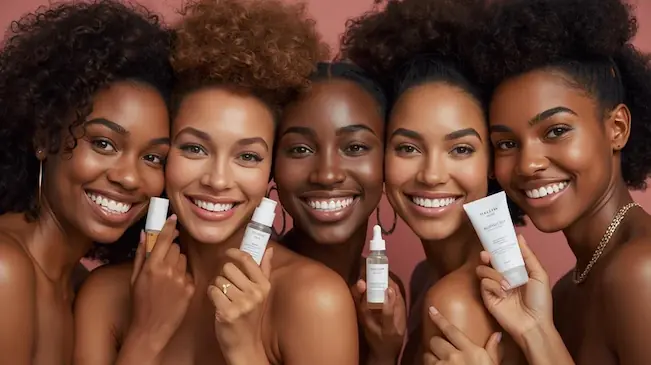
The trust issues that come with buying clothing on Amazon don’t stop there. Beauty products, jewelry, accessories, and shoes all carry the same concerns, and in some cases the risks are actually higher. Counterfeit products in the beauty category aren’t just low quality, they can contain unregulated ingredients that real, established brands would never put in their products. Luxury fashion accessories and jewelry have the same problem, where fake items from unknown sellers can look convincing enough to fool most buyers. To verify the authenticity of luxury items on Amazon, shoppers should check if the brand is featured in Amazon’s Luxury Stores section, which indicates a higher level of trust.
Amazon does have dedicated sections that make this easier to navigate. Amazon’s Premium Brands section features curated, trusted retailers, making it easier for shoppers to find reliable clothing options, and that same logic carries over to beauty and fashion more broadly. Brands that appear in these curated areas have gone through a higher level of verification, so starting your search there, rather than running a general search and picking from whatever seller shows up, gives you a more reliable starting point across any category.
Common Mistakes to Avoid During Online Shopping
Not filtering by seller is probably the most common way people end up with results they can’t trust. A basic search pulls up almost everything, including listings from sellers with almost no feedback history and no real brand presence behind them. Filtering Amazon search results to show only items sold by Amazon.com can improve the quality of the items you see, as these products are more likely to meet expectations and have easier return processes.
Relying on marketing photos instead of customer uploads is another easy trap to fall into. Brand photos are controlled, styled, and lit to show the product at its best, which has very little to do with how it actually looks when it arrives. When evaluating clothing brand reliability on Amazon, prioritize reading customer reviews with photos and checking material composition in the product description.
Thinking that frequently returned items must be popular or worth buying is the kind of mistake that’s easy to make but hard to defend. High return volume, especially those with the same complaints about sizing or material, usually means the product consistently misses what the listing promises. A frequently returned item doesn’t become a safe choice just because a lot of people have purchased it.
Searching for the same item across different listings without checking who’s actually selling it will catch a lot of buyers off guard. Two listings with the same product name and similar photos can come from completely different sellers who source their inventory independently. Browse carefully and always check the seller behind each result before assuming you’re looking at the same thing.
Recommendations for Buying Clothing on Amazon
Shoppers looking to buy everyday affordable clothing on Amazon get the most reliable results by sticking to well known brands that operate their own verified storefront and maintain consistent inventory on the platform. Look for consistent sizing information when evaluating clothing brands, as this signals that the retailer behind the listing knows their product and stands behind the fit. Affordable does not have to mean unreliable, but it does require choosing brands with a clear presence rather than anonymous listings dressed up with low prices.
Buyers seeking more elevated or occasion specific pieces should narrow their search to Amazon’s curated sections and focus on highly rated sellers with a transparent collection rather than browsing the open marketplace. These sections exist precisely to separate established brands from the broader inventory of unknown retailers. A complete collection page with verified seller history is a far stronger signal of quality than a high star rating alone.
For shoppers with mixed needs across clothing and beauty, the most practical approach is applying a complete evaluation across every category rather than shifting standards depending on price. The same criteria that protect you in one category protect you across the board. Brands worth buying consistently hold up across seller identity, review quality, material specifics, and return policy, regardless of whether the item is a fashion staple or a beauty purchase.
FAQ
Q: How do I know if a clothing seller on Amazon is trustworthy?
A: Start by checking whether the item is sold and fulfilled directly by Amazon or through a brand’s own verified storefront. From there, open the seller page and look at how many reviews they’ve collected alongside their rating, because a perfect score from a handful of buyers doesn’t mean much. A seller with a long track record, consistent feedback, and a clear brand identity is a much safer bet than one with vague details and almost no history.
Q: Are positive reviews on Amazon clothing listings reliable?
A: Not always. Positive reviews can be built up through incentivized feedback or outright manipulation, so a high star rating doesn’t automatically mean buyers were happy with what they received. Running the listing through a third party tool like The Review Index or Review Meta gives you a much clearer picture of whether the reviews are genuine.
Q: What is the safest way to buy fashion on Amazon?
A: Filter your results to show only items sold directly by Amazon, stick to established brands with their own storefront, and spend more time on mid range reviews than the overall star rating. Checking what materials are listed in the product description and looking through customer submitted photos before you decide goes a long way.
Q: Should I be concerned about counterfeit products in Amazon’s clothing category?
A: Yes, it’s a real risk, especially in luxury accessories and beauty. Buying from verified brand storefronts and Amazon’s curated sections cuts that risk down significantly.
Q: How do I handle returns if a clothing item does not match the description?
A: Check the return policy before you buy, not after something goes wrong. Items with free return shipping make the process much easier, and buying through Amazon directly rather than a third party seller usually means a faster, simpler return experience.
Q: Are beauty products on Amazon from third party sellers safe to buy?
A: The same caution that applies to clothing applies to beauty products, and in some ways the stakes are higher. Unknown third party sellers in this category carry a greater risk of counterfeit or mislabeled items. For beauty purchases, stick to brands listed in Amazon’s Luxury Stores or Premium Brands sections and always check who the seller actually is before you complete the order.
Summary
Whether you can trust clothing brands on Amazon really comes down to who’s selling the item and how carefully you look at a listing before buying. When shopping on Amazon, it’s advisable to buy items directly from Amazon.com to ensure better quality and easier returns. The platform has plenty of reliable options alongside a lot of unreliable ones, and the difference usually shows up in the seller identity, the reviews, and how detailed the product listing actually is.
The most useful habits this guide covers are also the easiest to repeat. Check material composition against what the product description actually says, use third party tools to see if the reviews hold up, and always read the return policy before you commit. Buyers who build these checks into their routine find that the good options become pretty easy to spot, even in crowded categories.
Trustworthy clothing brands do exist on Amazon, and online shopping for clothing there can absolutely be worth it when you approach it the right way. The point isn’t to avoid the platform. It’s to shop it like someone who knows what to look for, with a clear sense of quality signals, reliable sellers, and the kind of criteria that hold up across every category.