
Top Sustainable Fashion Brands in the USA: The American fashion market prioritizes durable, minimalist garments backed by circular business models and transparent supply chains.
Key Takeaways
- Domestic regulations and consumer demand are driving a shift toward high quality, long term wardrobe investments.
- Verified standards like B Corp and GOTS 8.0 have become essential trust signals for leading brands.
- Innovation in monomaterials like organic cotton and hemp is replacing traditional synthetic polyester blends.
- Transparency through digital tracking and carbon reporting is now a baseline requirement for consumer trust.
The American fashion landscape has moved away from the high volume, rapid release cycles that defined the last decade. Many people are now looking at their wardrobes as long term investments, prioritizing the actual durability of a garment over fleeting aesthetics. This shift is partly driven by domestic regulations, like California’s Responsible Textile Recovery Act, which forces brands to think about the entire lifecycle of a shirt or pair of pants, from chemical safety to how the fabric eventually breaks down.
This changing market has helped a new wave of domestic labels grow by focusing on a more intentional, subdued look. Finding top sustainable fashion brands minimalist vibe isn’t the niche mission it used to be, as several US based companies have figured out how to mix rugged, performance fabrics with timeless silhouettes. Instead of chasing every seasonal trend, these brands are sticking to capsule friendly pieces that actually hold up to daily wear in a modern lifestyle.
The following analysis looks at where the industry stands now, specifically focusing on brand history and the integrity of the fibers used in production. By looking at how certain labels handle their supply chains and technical fabric innovations, this overview gives a clear picture of which brands align with specific ethical standards and functional needs. This breakdown offers a grounded look at how today’s sustainable leaders are balancing clean design with measurable environmental accountability.
Evolution of American Sustainable Labels

The transition of American sustainable labels from niche experiments to market leaders has been driven by a shift away from traditional linear manufacturing toward circular economic models. This shift is no longer just a marketing angle; it’s a core operational requirement for high end domestic brands. Early movers in this space demonstrated that durability and repairability could actually work as a business model, setting a precedent that many newer labels now follow to earn their spot in a crowded market.

Patagonia is the obvious case study here. They were establishing benchmarks for product repair long before it was a trend. Their Worn Wear program and Ironclad Guarantee changed the conversation from simply using organic fabrics to keeping gear in play for decades. By proving that a patched up jacket is more of a badge of honor than a new one, they successfully showed that you can be profitable without just pushing for more newness every season.
Eileen Fisher followed a similar path, turning her brand into a circular leader through the Renew take back initiative. The company treats its own past collections as a raw material source, cleaning and repairing used pieces for resale or upcycling them into entirely new designs. This approach has shown that high end minimalist style and a zero waste philosophy can actually live together, especially as the resale market for quality, durable apparel continues to take off in the US.
Verified standards now provide the framework for these operations, helping buyers spot brands with real oversight. These markers are the primary trust signals for sustainable clothing:

- B Corp Certification: Shows a legal commitment to balancing profit with social and environmental impact.
- GOTS 8.0: The latest Global Organic Textile Standard, requiring strict chemical controls and organic fiber integrity.
- Fair Trade Certified: Confirms garments are made in factories that meet safety and fair wage standards.
- Bluesign Approved: Means the manufacturing process was audited to keep harmful substances out of the environment from the start.
These standards, which used to be optional green badges, are now fundamental to how major American labels operate. As people demand more transparency, the brands that have actually baked these certifications into their supply chains are the ones currently leading the way.
Core Materials in Sustainable Apparel

The American fashion industry is hitting a turning point where polyester and synthetic blends are losing their status as the default. The move toward a no polyester inventory is picking up speed, driven by shoppers who are tired of microplastics and new rules about how long clothes should actually last. Many brands are moving past the recycled plastic bottle phase, realizing that turning a bottle into a shirt often just delays its trip to a landfill. Instead, there is a serious focus on monomateriality, making clothes from a single, natural fiber that can safely break down later.
Organic Cotton and Hemp
Brands like Pact and Jungmaven have built their whole identity around the idea that natural fibers are simply better for the long haul. Pact has become a go to for GOTS certified organic cotton, which skips the heavy pesticides used on regular cotton crops. This isn’t just a marketing label; it ensures that the basics you wear every day are free from the chemical residues common in fast fashion. By keeping their supply chain tight, they ensure the cotton stays pure from the farm to the final product.
Jungmaven has taken a slightly different path by championing hemp. It’s an incredibly tough fiber that grows fast with very little water and no need for herbicides. You’ll see Jungmaven using hemp cotton blends specifically because they are naturally antimicrobial and get softer every time you wash them. These aren’t the rough hemp fabrics of the past; they’re engineered to be durable while feeling like a broken in favorite from day one.
Advanced Regenerative Fibers
Beyond the usual crops, we’re seeing a rise in bio cellulosic fibers like Tencel (lyocell) and bamboo, which are staples for brands like Mate the Label. These fibers are made in closed loop systems, meaning the water and non toxic solvents used during production are caught and reused instead of being dumped. Mate the Label uses Tencel for its sleepwear and clean essentials because it has a silky feel and handles moisture better than most high end synthetics, without the environmental baggage.
Because these materials are processed without the harsh forever chemicals (PFAS) or formaldehyde often used to treat cheap clothes, they are a primary choice for hypoallergenic clothing brands. For anyone with reactive or sensitive skin, these fibers offer some very practical benefits:

- Less Skin Irritation: No chemical residues or scratchy synthetic fibers means fewer rashes or itchy spots.
- Better Breathability: Natural fibers let your skin breathe, which helps prevent the moisture buildup that triggers eczema.
- Natural Cooling: These materials wick sweat away from the body, keeping you cool and comfortable throughout the day.
- Non Toxic Dyes: Using low impact, GOTS approved dyes ensures the color of the fabric doesn’t bring skin irritants with it.
Minimalist and Capsule Wardrobe Leaders
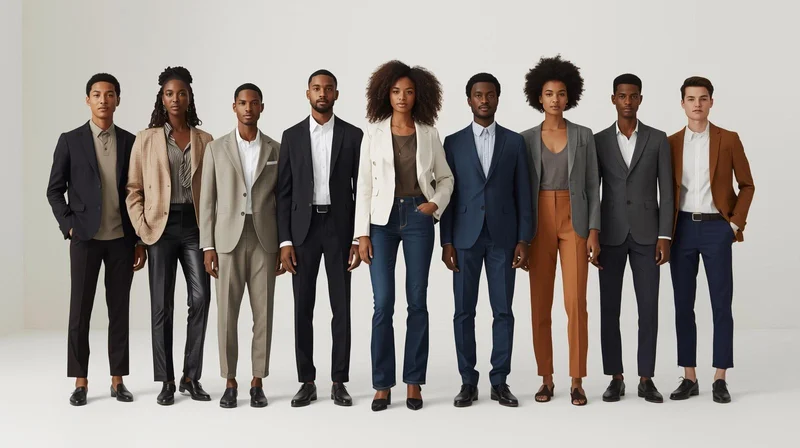
Buyer behavior shows a clear lean toward uniform dressing, where the goal is a small, high functioning collection of pieces that transition from a home office to in person meetings. This demand has specifically heightened the search for wrinkle resistant eco friendly jeans for office wear, denim that maintains a sharp, trouser like silhouette without the sagging or creasing common in traditional cotton blends. Domestic brands are responding by integrating recycled elastanes and Tencel into denim weaves, providing a polished look that requires minimal maintenance throughout a busy work week.
Professional Basics
Everlane remains a central figure in this space, largely due to its Radical Transparency model which continues to disclose the true cost of production and factory conditions. For those building a professional capsule, their focus on high quality fit is evident in their denim and shirting lines, which prioritize structured silhouettes that don’t lose their shape. Their collection of organic cotton tees is often cited among the best organic cotton t shirt brands quality fit, featuring a substantial weight and a refined neckband that makes them suitable for layering under a structured blazer or wearing solo as a crisp, stand alone piece.
Luxury Minimalist Aesthetics
Cuyana has carved out a distinct position with its fewer, better philosophy, encouraging a shift away from seasonal clutter toward intentional, heritage quality items. Their apparel line emphasizes luxurious, earth conscious fabrics like heavy weight silk and washable wool that draped elegantly while standing up to frequent wear. This approach is mirrored by brands like Quince, which utilizes a factory direct model to offer similar luxury tier materials, such as Mongolian cashmere and organic linen, at a more accessible entry point. While Quince has faced scrutiny regarding the depth of its transparency, its focus on affordable luxury has made it a frequent choice for those looking to assemble a cohesive, professional wardrobe on a stricter budget.
Ethical Standards and Brand Transparency

Consumer trust isn’t built on eco friendly tags anymore. People are looking for hard numbers. To spot actual progress, you often have to look past the homepage and into quarterly sustainability reports. Reformation has been a leader here, publishing data on their carbon footprint and supply chain that most brands still keep private. It’s this level of detail that helps separate a genuine effort from a marketing stunt.
Authentic transparency is usually found in the boring details, like a brand’s supply chain map or specific factory audits. Most companies have a sustainability page, but the ones worth trusting get specific about their Tier 1 and Tier 2 suppliers. These certifications are the heavy hitters for verifying claims:
- GOTS 8.0: The newest organic standard that covers both the fiber and the labor behind it.
- B Corp: A high bar for a company’s overall impact on people and the planet.
- Bluesign: Proof that a garment was made without toxic chemicals.
- Fair Trade: Verifies that the people sewing the clothes are actually being paid a living wage.
There’s a big difference between pure eco labels and massive retailers trying to fix their systems. Take Cotton On, for instance. They have set a goal to use 100% water reduction denim washes and want to hit carbon neutrality by 2030. These are good goals, but analysts still view them differently than a brand built from day one on ethics. Scaling a high volume business to be truly sustainable is a massive uphill battle compared to a small, slow fashion label.
A common question we see is: is Natural Life fast fashion? While the brand uses a lot of boho and natural imagery, it doesn’t provide the same data heavy reporting you see with a brand like Reformation. Natural Life still hasn’t released a full supply chain map or third party audits. Without that proof, it’s hard to tell if their natural vibe is anything more than an aesthetic choice. In this market, if a brand isn’t showing you the data, they’re likely following a standard mass production model.
Sustainable Denim and Durable Workwear
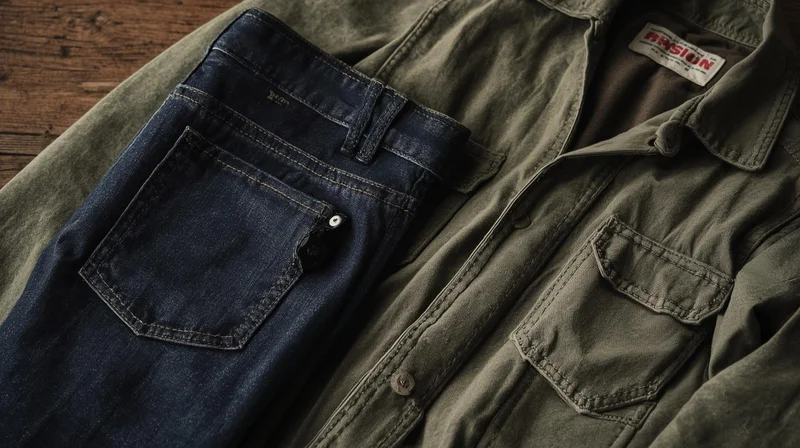
Many American shoppers have stopped looking at clothes as something to just wear and toss. Instead, the cost per wear mindset is taking over, especially for things like jeans and heavy jackets that actually need to survive daily life. It’s a shift toward buying fewer things that are built to last a decade, rather than five sustainable items that fall apart after a few washes. This focus on durability is becoming the most practical way people are cutting down their environmental footprint.
Built for Longevity
Brands like Outerknown and Flint and Tinder are leaning hard into this buy it once philosophy. For example, Outerknown recently updated its Apex Evolution line using NetPlus, which is a rugged fabric made from 100% recycled fishing nets. It’s surprisingly tough and traceable, turning ocean waste into gear that can handle serious use. On the other hand, Flint and Tinder has seen a huge response to its 10 Year Hoodie, which they actually updated in 2025 with a heavier fleece and a better fit. They’re betting on the idea that if you build something with reinforced seams and heavy duty materials, people won’t need to replace it for a long, long time.
- Beefy Fabrics: Using 12oz to 14oz organic cotton and hemp for real tear resistance.
- Better Stitching: Relying on triple needle seams in high stress spots like the crotch or shoulders.
- Fixable Parts: Using metal zippers and real rivets that won’t just snap off.
- Rugged Tech: Incorporating materials like NetPlus nylon for shells that don’t scuff easily.
The Circular Denim Model
Levi’s is still the biggest name trying to make the circular model work at scale. Their SecondHand platform has become a huge part of their business, letting people trade in their old 501s for credit so they can be cleaned up and resold. But the real news is the Wear Longer Project they launched early this year. After finding out that almost half of Gen Z doesn’t know how to sew on a button, Levi’s started offering free repair workshops in schools and stores. It’s a smart move, they’re teaching people that a hole in your jeans isn’t a reason to throw them away, which is probably the most sustainable thing a clothing brand can actually do.
Specialized Eco Apparel For Family and Active LifeStyle
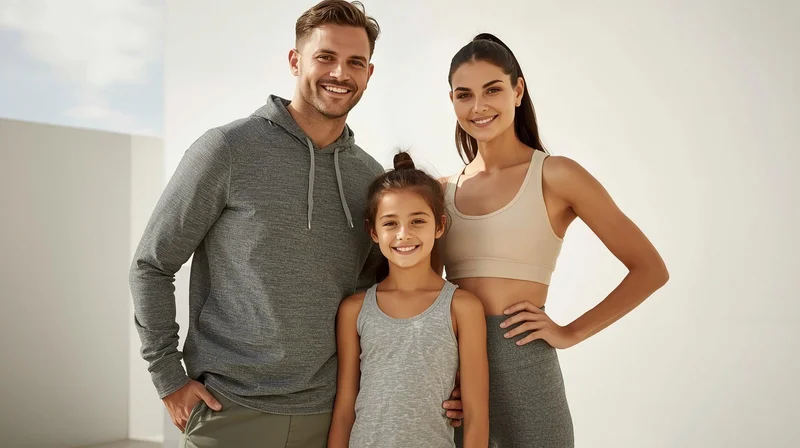
The availability of eco friendly baby clothing has expanded significantly, moving from specialty boutiques to mainstream household names. Parents are increasingly focused on the chemical safety of fabrics that touch infant skin, which has pushed the demand for third party verified materials to an all time high. This segment of the market is no longer just about organic fibers; it’s about a full lifecycle approach where clothes are built to survive multiple children or be fully recycled once they finally wear out.
Activewear and Circularity
Girlfriend Collective remains a primary example of how activewear can integrate into a circular economy. Their production continues to rely on recycled post consumer plastics, specifically turning diverted water bottles and fishing nets into high performance yarns like ECONYL. Beyond just using recycled content, they have refined their ReGirlfriend take back program, which incentivizes customers to send back old leggings to be processed into new textile fibers rather than downcycled into lower value industrial materials.
- Microfiber Filtration: Most collections now encourage the use of specialized wash bags to catch synthetic shedding.
- Size Inclusivity: Their patterns range from XXS to 6XL, ensuring sustainable options aren’t restricted by body type.
- SA8000 Certification: Garments are sewn in facilities that guarantee fair wages and regulated health and safety audits.
- SAAS Technology: Integration of body adaptive support that reduces the need for multiple specialized garments.
Infant and Maternity
For families prioritizing purity in the early years, brands like Hanna Andersson and Burt’s Bees Baby have set the standard for GOTS certified baby basics. Hanna Andersson is particularly noted for its Hanna Me Down quality, using a heavy weight organic cotton rib that holds its shape through hundreds of laundry cycles. Their expansion into cotton in conversion helps support farmers transitioning to organic status, addressing the global shortage of certified organic land.
The maternity and nursing market has also seen a technical upgrade, with brands like Pact and Storq leading the way in organic breastfeeding clothes. These labels focus on fourth trimester utility, using soft, GOTS certified jersey that doesn’t rely on harsh chemical softeners.
- Two Way Zippers: A standard feature in sleepwear to simplify diaper changes without exposing the infant to cold air.
- Flat Lock Seams: Specifically designed to prevent skin irritation for babies with eczema or sensitive skin.
- Invisible Nursing Openings: Integrated into organic cotton tees and sweatshirts for discreet, functional access.
- OEKO TEX Standard 100: Verification that every component, from buttons to thread, is free from harmful substances.
Real World Constraints of Ethical Fashion
The logistical reality is that sustainable and carbon neutral are rarely the same thing. Even when a brand uses organic cotton or recycled nylon, the energy heavy process of dyeing and the thousands of miles materials travel mean a large carbon footprint still exists. Most global supply chains simply aren’t ready for true carbon neutrality yet, as it requires factories to fully switch to renewable energy, a massive hurdle for even the most well funded labels.
For many made in America clothing labels, the push to produce locally often hits a wall when it comes to scaling up. High labor costs and a shortage of specialized domestic textile workers mean these brands work on much tighter profit margins than their competitors. A small brand might want to grow, but they often find that domestic factory space is either totally booked or way too expensive, forcing them to choose between keeping their ethics or raising their prices beyond what most people can afford.
Sourcing also remains a huge bottleneck because there just aren’t enough partners in any ethical sustainable wholesale suppliers directory. Many eco labels end up fighting over the same small group of GOTS certified or B Corp factories. This leads to long wait times and inconsistent stock, which makes it hard for smaller brands to compete with the always in stock convenience of fast fashion. Being an ethical brand often means dealing with a fragmented system that hasn’t quite caught up to the high demand for clean clothes.
Identifying the Ideal Buyer Profile
Recent market data shows that the eco friendly shopper isn’t just one type of person anymore. Instead, the market has split into several distinct groups, each with their own reasons for skipping fast fashion. While some are motivated by the environment, others are just tired of clothes that fall apart after three washes or are worried about the chemicals used in cheap synthetic fabrics. This shift is moving sustainable fashion away from a niche movement and into a practical lifestyle choice for millions.
The following profiles represent the main groups currently buying from domestic sustainable labels:
- The Outdoor Advocate: Usually between 25 and 45, this shopper wants gear that can survive a hike but is made under fair labor laws.
- The Coastal Minimalist: A group that loves quiet luxury and natural fabrics like hemp or organic linen for a professional, capsule style wardrobe.
- The Circular Gen Z-er: Younger buyers who mix bold, expressive styles with resale finds from sites like Depop or Vinted.
- The Wellness Parent: Parents who stick to GOTS certified, non toxic organic cotton to keep their kids away from harsh textile chemicals.
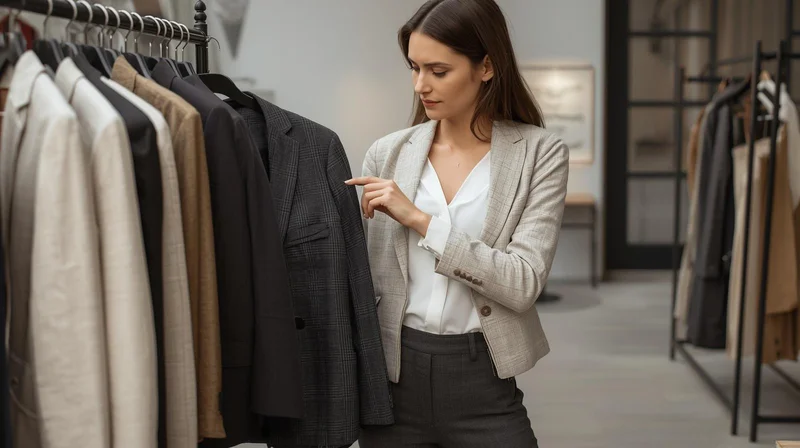
The Coastal Minimalist is a profile commonly chosen by professional women in urban areas who are looking for women affordable clothing brands made in usa. For this group, the appeal isn’t just the ethics; it’s the fit and the fact that a well made blazer or pair of trousers won’t lose its shape. They tend to favor brands like Cuyana or Elizabeth Suzann, where the higher price is justified by a cost per wear logic, basically, it’s better to own one $200 pair of pants that lasts five years than five $40 pairs that shrink in a month.
When it comes to sustainable fashion for teens, the buyer profile looks a lot different. This group is heavily influenced by social media de-influencers who call out fast fashion waste. Instead of the neutral tones older adults might prefer, these younger shoppers want Poetcore or maximalist styles that still use recycled or organic materials. They are the ones pushing brands to be more creative, often mixing basics from places like Pact with thrifted vintage pieces to create a look that is completely unique but still ethically grounded.
Summary
Market observation confirms that the American sustainable fashion sector has moved past its initial experimental phase into a period of calculated stability. This maturation is largely due to the successful marriage of high performance textile technology with traditional natural fibers. By integrating AI driven demand sensing and closed loop bio processing, brands have finally managed to solve the historic issues of fabric durability and inconsistent supply. The result is a market where hemp, organic cotton, and regenerative wool are no longer just ethical choices, but high performance standards that can actually compete with synthetic alternatives on a functional level.
The long term presence of any ethical brand in the American wardrobe now hinges almost entirely on its level of transparency. As Digital Product Passports and blockchain tracking become common retail features, the trust gap that once allowed for greenwashing has effectively closed. Shoppers are increasingly treating transparency as a baseline requirement rather than a premium add on, favoring labels that openly share their supply chain data and carbon impact metrics. For the industry to maintain this momentum, the focus must remain on this radical honesty, ensuring that the clothing we choose to live in is as reliable in its origin as it is in its construction.