
Summer hairstyles need to do more than look good, they must withstand humidity, protect your hair from UV damage, and keep you cool when temperatures rise. The frustration of stepping outside with perfectly styled hair only to have it fall flat, frizz uncontrollably, or stick uncomfortably to your neck is a universal summer experience. This comprehensive guide addresses that challenge by providing expert vetted hairstyles tailored to every hair type, from pin straight to tightly coiled textures. Whether you have fine hair that goes limp in heat, curly hair that expands with humidity, or protective styles that need seasonal adjustments, you’ll discover practical techniques that work with your natural texture while minimizing damage and maximizing comfort. The approaches outlined here prioritize hair health alongside aesthetics, offering solutions that require minimal daily effort while delivering maximum impact throughout the warmest months of the year.
Why Summer Hairstyles Need to Be Different from Your Year Round Routine
The scientific reality of summer hair challenges goes far beyond simple discomfort. Humidity affects hair at the molecular level by penetrating the cuticle layer and disrupting the hydrogen bonds that hold your hair’s shape. This is particularly problematic for curly and textured hair, where the cuticle is naturally more raised and porous, allowing moisture to infiltrate more easily and cause the dreaded halo of frizz.
Research from the American Academy of Dermatology shows that prolonged sun exposure can degrade hair protein by up to 30%, leading to brittleness, color fading, and increased breakage. UV rays attack the keratin structure of hair strands, weakening them from the inside out. This damage is cumulative, meaning each summer of unprotected exposure compounds the problem. Color treated hair is especially vulnerable, with blonde and light brown shades often developing brassy, orange undertones after extended sun exposure.
Temperature also impacts scalp health in ways that directly affect your styling success. Heat increases sebum production, which causes fine and straight hair to appear greasy and limp much faster than in cooler months. Conversely, the combination of sun exposure and air conditioning can strip moisture from coarse, textured hair, leaving it dry and prone to breakage. Add chlorine from swimming pools and salt from ocean water, both of which chemically alter hair structure and strip protective oils, and you have a perfect storm of summer hair stressors.
The fundamental difference between winter and summer hair needs comes down to protection versus moisture retention. Winter routines focus on combating dry indoor heat and cold outdoor air, while summer strategies must address UV damage, humidity control, and sweat management. Understanding these distinct challenges allows you to make informed decisions about which styles will actually hold up during outdoor activities, beach days, and heat waves.

Understanding Your Hair Type Before Choosing a Summer Hairstyle
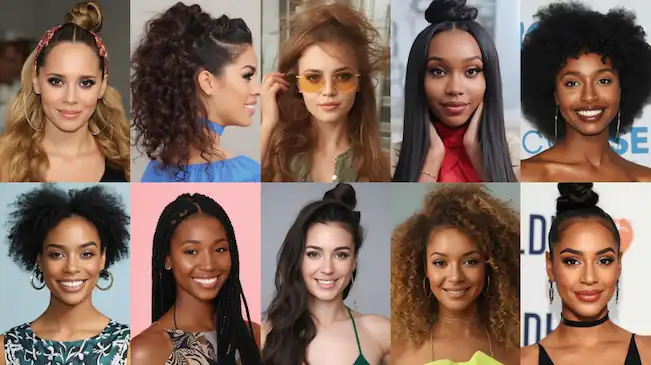
Selecting summer hairstyles without understanding your specific hair type is like buying shoes without knowing your size. The widely recognized Andre Walker Hair Typing System provides a framework that helps you identify which techniques and products will work best for your texture.
The Four Primary Hair Type Categories (Straight, Wavy, Curly, Coily)
Type 1 hair is completely straight with no natural curl pattern. It tends to become oily quickly because sebum travels easily down the smooth shaft from root to tip. In summer heat and humidity, Type 1 hair often loses volume and body, appearing limp and greasy by midday. The subcategories range from 1A (fine and thin) to 1C (coarse and thick), with each requiring slightly different volumizing approaches.
Type 2 hair features an S-shaped wave pattern that exists somewhere between straight and curly. This texture is particularly prone to inconsistency in humid conditions, with some sections going straight while others become curlier. Type 2 hair can alternate between behaving like straight hair and curly hair depending on how it’s styled and what products are used. The subcategories 2A, 2B, and 2C represent progressively more defined wave patterns, with 2C approaching loose curls.

Type 3 hair displays defined spiral curls that range from loose ringlets to tight corkscrews. This texture is highly moisture dependent and experiences significant shrinkage when it dries. Type 3 hair is susceptible to frizz in humidity because the raised cuticle allows environmental moisture to penetrate easily. Summer often requires extra sealing products to lock moisture in and keep humidity out.
Type 4 hair features tight coils or zig zag patterns that are the most fragile of all hair types. The extreme curl pattern means natural oils struggle to travel down the hair shaft, making Type 4 hair inherently dry. This texture requires maximum moisture and gentle handling, as the tight curl pattern creates natural weak points where breakage easily occurs. Summer sun exposure can exacerbate dryness, making protective styling and hydration absolute priorities.
Hair Density, Porosity, and Thickness Considerations
Hair density refers to how many individual strands you have per square inch of scalp. Fine density means fewer strands, medium is average coverage, and thick density means abundant hair. This matters for summer styling because high density hair traps more heat against your scalp and requires updos that allow airflow, while low density hair may need volume boosting techniques to prevent styles from looking flat.
Porosity describes your hair’s ability to absorb and retain moisture. Low porosity hair has tightly closed cuticles that repel water and products, often requiring heat or extended processing time for treatments to penetrate. High porosity hair has raised cuticles that absorb moisture quickly but also lose it just as fast, leading to chronic dryness and frizz in summer humidity. You can test porosity at home by placing a clean strand of hair in a glass of water, low porosity floats, medium sinks slowly, and high porosity sinks immediately.
Strand thickness refers to the diameter of individual hairs, ranging from fine to coarse. Fine strands are fragile and prone to heat damage, requiring lower temperatures and gentler handling. Coarse strands are more resilient but can appear rough or unruly without proper moisture. In summer, fine hair needs lightweight products that won’t weigh it down, while coarse hair benefits from richer creams and butters that provide adequate moisture and control.
Summer Hairstyles for Straight Hair (Type 1)
Straight hair faces the unique summer challenge of simultaneously becoming oilier at the roots while potentially drying out at the ends from sun exposure. The key is choosing styles that manage oil, add texture for holding power, and keep hair off your neck during the hottest hours.
Sleek Low Buns and Chignons
The polished low bun is a summer essential for straight hair because it works best on second or third day hair when natural oils provide grip and texture. Freshly washed straight hair is often too slippery to hold structured styles. Begin by applying a volumizing mousse at the roots while hair is still damp, then rough dry with your head flipped upside down to create lift at the crown. Once dry, gather hair into a low ponytail, twist the length, and wrap it around the base, securing with bobby pins tucked discreetly underneath.
For extra polish and humidity resistance, products from Oribe‘s anti humidity line or Living Proof‘s No Frizz collection create an invisible barrier that repels moisture. Finish with a light mist of anti humidity spray, focusing on the hairline and any flyaways. Moroccanoil’s finishing sprays provide flexible hold without the crunchy texture of traditional hairsprays. This style takes approximately five to seven minutes once you’ve mastered the technique and is appropriate for professional settings, outdoor weddings, and beach days when you want to look put together without effort.
Textured Beach Waves with Holding Power
Creating waves in straight hair during humid summer weather requires strategic product layering and realistic expectations. The overnight braiding method is the most heat free approach, braid damp hair into two to four sections depending on thickness, sleep on them, and unravel in the morning. For more defined waves, apply a sea salt spray like Bumble and bumble Surf Spray or Ouai Wave Spray to damp hair before braiding.
If you prefer heat styling, use a 1.25 inch curling barrel on completely dry hair that’s been prepped with heat protectant and texturizing spray. Curl away from your face in alternating directions, let the curls cool completely before touching them, then gently shake them out with your fingers. The cooling period is crucial for setting the wave pattern. Finish with a texturizing powder at the roots and a flexible hold hairspray to lock everything in place without stiffness. The entire process takes about 20 minutes but delivers waves that can last through humidity and light activity.
Sleek High Ponytails with Volume
The high ponytail is deceptively simple but requires specific techniques to prevent the dreaded grease slick appearance and eventual slippage that plague straight hair in summer. Start by applying dry shampoo at the roots before styling, not after, this gives the powder time to absorb oils and create texture for better grip. Tease the crown section gently with a fine tooth comb, smoothing just the top layer to conceal the teasing.
Gather hair at the desired height using a brush to smooth the sides, then secure with a textured elastic that has interior grips. Take a small section of hair from the underside of the ponytail and wrap it around the elastic, securing the end with a bobby pin underneath. This creates a polished finish while hiding the hair tie. For stubborn hair that tends to slip, add two bobby pins at the base of the ponytail in an X formation for extra security. To maintain volume throughout the day, carry a mini dry shampoo and lift sections at the crown for a quick refresh when needed.
Summer Hairstyles for Wavy Hair (Type 2)
Wavy hair occupies a challenging middle ground in summer, capable of frizzing like curly hair while simultaneously falling flat like straight hair. The solution lies in techniques that enhance natural texture without fighting against it.
Enhancing Natural Waves with Minimal Heat
The scrunch method is fundamental for wavy hair success. Apply a lightweight curl enhancing cream or mousse to soaking wet hair, working it through in sections. Flip your head upside down and scrunch hair upward toward your scalp in a pulsing motion, encouraging the wave pattern to form. The plopping method takes this further, lay a microfiber towel or cotton t shirt flat, flip your hair onto it, wrap the fabric around your head turban style, and leave it for 15 to 30 minutes.
Products like DevaCurl’s lightweight formulas or Curlsmith’s curl enhancing creams provide hold without the crunchy finish that weighs down waves. Avoid heavy oils and butters that are meant for tighter curl patterns. The choice between air drying and diffusing depends on your schedule and humidity levels. Air drying is more heat friendly but takes longer and may result in less definition. Diffusing on low heat with the dryer held at a distance preserves curl formation while cutting drying time in half. The key is not touching your hair until it’s completely dry, premature scrunching disrupts the wave pattern and invites frizz.
Half Up, Half Down Styles for Wavy Texture
Half up styles provide the perfect compromise for wavy hair in summer, keeping hair off your face and neck while showcasing your texture. The twisted crown variation involves taking two inch sections from each temple, twisting them back toward the crown, and pinning them together with bobby pins or a decorative clip. The messier the better, overly tight twisting flattens waves and creates an outdated look.
For braided half up styles, create a loose Dutch braid starting at one temple and curving across the crown, or do two small braids that meet in the middle. The texture from your waves provides built in grip, so you don’t need styling products for hold. Finish with a texturizing spray or a small amount of dry shampoo at the roots if your hair tends toward oiliness. These styles work beautifully for outdoor festivals, casual summer gatherings, and vacation days when you want to look intentional without spending significant time styling.
Braided Styles That Work with Wave Patterns
Wavy hair and braids are natural partners because the slight texture prevents braids from looking too severe or slipping out easily. Dutch braids, where you cross sections under rather than over, create a raised, dimensional look that’s perfect for active summer days. Fishtail braids appear intricate but are surprisingly simple, divide hair into two sections and pull small pieces from the outer edge of one section to join the other, alternating sides as you work down.
The strategic advantage of braiding wavy hair is the enhanced texture you get when you undo the braids the next day. French braid damp hair before bed, sleep on it, and wake up to effortless waves that require zero heat styling. Apply a light oil like argan or jojoba to your palms, rub them together until the oil is barely visible, then gently separate the braids with your fingers. This technique delivers two styles in one, the braids themselves for day one, and the resulting waves for day two.
Summer Hairstyles for Curly Hair (Type 3)
Curly hair requires a completely different approach in summer because its structure makes it inherently vulnerable to humidity induced frizz. The goal is definition, moisture retention, and protection from environmental stressors.
Defined Wash and Go Curls
The wash and go is the cornerstone style for Type 3 hair, but its success depends entirely on technique and product layering. Start in the shower with a co wash or sulfate free shampoo, then apply a generous amount of leave in conditioner to soaking wet hair. Divide hair into four to six sections and work through each one methodically. Apply a curl defining gel like Eco Styler or Aussie Instant Freeze using the praying hands method, smooth the product between your palms and glide down each section to encourage clumping.
After product application, scrunch each section upward to enhance curl formation. The gel cast that forms as hair dries is intentional, it protects curls from humidity and frizz. Once hair is completely dry, either air dried or diffused with cool air, scrunch out the crunch by gently squeezing sections with a small amount of oil on your hands. Products like Kinky Curly Knot Today leave in conditioner and Cantu Shea Butter Leave In provide moisture without heaviness, though formulations can change so verify current ingredients.
For second and third day refresh, lightly mist hair with water, apply a small amount of curl cream to your palms, and scrunch it into the curls that need reviving. Avoid completely re wetting your hair, which can lead to frizz and disrupt the existing curl pattern.
Pineapple Updo for Preserving Curls
The pineapple is a curly hair game changer for summer, it keeps curls off your neck during the day and preserves your curl pattern overnight. Flip your head upside down and gather all your hair at the highest point of your head, securing it loosely with a silk or satin scrunchie. The positioning is crucial, too tight and you’ll create a dent, too loose and curls will fall out.
This style works because it prevents the weight of your hair from stretching out your curls while you sleep or go about your day. The silk or satin material is non negotiable, cotton elastics absorb moisture and cause friction that leads to breakage and frizz. For shorter curly hair that can’t reach a high pineapple, try a side pineapple or double pineapples on each side of your head. When you take the pineapple down, gently shake your hair and separate curls with your fingers, fluffing at the roots for volume.
Protective Braided Styles for Curly Hair
Protective braiding for Type 3 hair serves dual purposes, it safeguards your curls from manipulation and environmental damage while offering versatile styling options. Two strand twists are the most beginner friendly protective style, requiring you to simply divide small sections of hair in half and twist them around each other. Apply a leave in conditioner and a small amount of curl cream or butter to each section before twisting for moisture and hold.
Flat twists and cornrows are more advanced but can last one to two weeks with proper nighttime maintenance. The key to longevity is sleeping with a silk or satin bonnet to prevent frizz and applying a light oil to your scalp every few days to prevent dryness. Edge control products like Got2b Glued or Eco Styler Gel smooth your hairline for a polished finish, but use them sparingly to avoid product buildup.
When you’re ready to take down the twists or braids, you can create beautiful twist outs or braid outs by carefully unraveling each section with oil on your fingertips and separating the hair gently. This gives you multiple styling options from a single installation and minimizes daily heat exposure and manipulation.
Summer Hairstyles for Coily Hair (Type 4)
Type 4 hair is the most fragile texture and requires protective strategies that prioritize moisture, minimal manipulation, and careful handling to prevent breakage during summer months.
Moisturizing Twist Outs and Braid Outs
Creating a successful twist out or braid out on Type 4 hair begins with thorough moisturizing on freshly washed, damp hair. Section hair into manageable parts, anywhere from 10 to 30 sections depending on the size of the twists you want and your hair’s density. Apply a leave in conditioner, followed by a rich cream or butter like Shea Moisture Curl Enhancing Smoothie, and seal with an oil. This layering technique is called the LOC method, liquid, oil, cream, or LCO method, depending on the order that works best for your porosity.
Two strand twist each section, making sure the hair is smooth and evenly twisted from root to tip. The smaller the sections, the more defined the resulting curl pattern will be when you unravel them. Sleep with a satin bonnet to protect the twists overnight. In the morning, or after allowing twists to fully dry for 24 hours, apply a small amount of oil to your fingertips and carefully unravel each twist. Separate the hair gently to create volume and fullness without disrupting the curl definition.
Products from Mielle Organics’ Pomegranate and Honey line or The Doux Mousse Def provide excellent hold and definition for Type 4 hair, though you should verify current formulations before purchasing. With proper nighttime maintenance, re twisting or pineappling and wearing a bonnet, these styles can last three to five days, significantly reducing daily manipulation.
Protective Updos: Bantu Knots, Top Knots, and Buns
Bantu knots are both a protective style and a styling tool. To create them, section damp, product laden hair into small squares across your head. Twist each section tightly, then wrap it around itself in a spiral, tucking the end underneath and securing with a bobby pin if needed. The knots can be worn as a style themselves or unraveled after they’re completely dry to create defined, bouncy curls. Installation takes 30 to 45 minutes depending on how many knots you create, and the resulting curls when undone can last several days.
The high puff or top knot is ideal for extremely hot days when you need maximum airflow. Use a stretching method first, banding or threading, to elongate your hair without heat, making it easier to gather into a ponytail. Apply edge control to smooth your hairline, using a brush or your fingers to create sleek baby hairs if desired. A drawstring ponytail can add instant volume and length if your natural hair is shorter. The critical consideration with any updo on Type 4 hair is avoiding excessive tension, which can lead to traction alopecia and thinning edges.
Low buns and chignons require careful positioning to distribute weight evenly. Stretch your hair first, gather it at the nape of your neck without pulling tightly at the hairline, and secure with pins or a gentle elastic. The protective benefit of these updos is that they tuck your fragile ends away from sun exposure and rubbing against clothing, both of which cause breakage over time.
Box Braids, Cornrows, and Faux Locs
Professional installation of box braids typically takes six to eight hours and can last six to eight weeks with diligent care. Individual braids are created by sectioning the hair and braiding from root to tip, sometimes incorporating synthetic hair for added length and fullness. Cornrows follow the same principle but are braided against the scalp in continuous rows, taking three to five hours to install and lasting two to four weeks. Faux locs mimic the appearance of dreadlocks without the permanent commitment, requiring four to six hours of installation and lasting four to six weeks.
The primary advantage of these styles in summer is their longevity, once installed, they require minimal daily styling and protect your natural hair from environmental damage. Scalp care becomes the priority. Use a lightweight oil like tea tree or peppermint to massage your scalp weekly, preventing dryness and buildup. At night, wrap your braids in a satin scarf or bonnet to reduce friction and maintain neatness.
Professional installation costs typically range from $100 to $300 depending on the style complexity, braid size, and your geographic location. While this represents an upfront investment, the cost per wear becomes minimal when a style lasts two months. DIY installation is possible with practice but requires significant time and dexterity, especially for styles at the back of your head.
The most important precaution with any long term protective style is not keeping it in too long. Beyond eight weeks, natural hair can begin to mat and loc at the roots, making removal difficult and potentially causing significant breakage. Schedule removal and thorough deep conditioning before reinstalling any protective style.
Quick and Easy Summer Hairstyles for Busy Mornings
Time constraints shouldn’t force you to choose between style and hair health. These efficient techniques work across hair types with minor modifications.
The 5 Minute Messy Bun (All Hair Types)
The intentionally undone bun has become a signature summer look precisely because it embraces imperfection. Flip your head upside down and gather hair loosely at your desired height, crown, mid head, or nape. Twist the gathered hair once or twice and wrap it around the base, securing with a hair tie. Don’t worry about smoothness or symmetry, the appeal is in the effortless texture. Pull a few face framing pieces loose at the front, and if you have bangs, let them fall naturally.
For straight hair, apply texturizing spray before creating the bun to add grip. Wavy and curly hair naturally provides the texture needed for this style. Coily hair may benefit from stretching first or using a drawstring ponytail as a base. Accessories like claw clips, oversized scrunchies, or decorative pins can elevate the basic bun into something more interesting. Brands like Kitsch, Teleties, and Scünci offer affordable options that add personality without requiring additional styling time.
Slicked Back Styles with Edge Control
The sleek, gel down look has transcended its origins in Black hair culture to become a mainstream summer staple for all textures. Apply gel or edge control to damp or dry hair, smoothing it back from your hairline with a brush or your hands. The key is even distribution and working in small sections to ensure every strand lies flat.
Popular products include Got2b Glued Gel, Eco Styler Olive Oil Gel, and The Doux Mousse Def, all offering strong hold that withstands summer humidity. The beauty of this technique is its versatility, pair it with a low ponytail for a professional look, a high bun for athletics, or leave the length loose for a wet hair aesthetic. The entire process takes under five minutes once you’ve found the right product for your hair type.
Headband and Scarf Styling Hacks
Wide fabric headbands disguise unwashed roots, cover regrowth, and add instant polish to otherwise basic styles. Position the headband about an inch back from your hairline, ensuring it sits comfortably without creating pressure headaches. Leave hair down and tousled, pull it into a low ponytail, or create a half up style, the headband makes everything look more intentional.
Silk scarf wrapping serves both protective and aesthetic purposes. Fold a square scarf into a triangle, place the long edge at your hairline, and tie the ends at the nape of your neck or crown. This technique protects your edges from sun damage while adding a sophisticated, vintage inspired element to your look. Current trends include bold patterns, solid jewel tones, and the preppy aesthetic popularized by shows like Gossip Girl.
Brands like Slip offer luxury silk accessories in the $30 to $50 range, while Target and H&M provide budget friendly alternatives under $15. The investment in a few quality headbands and scarves pays dividends in versatile styling options that require virtually no time or skill.
Heat Friendly Hairstyles That Minimize Damage
Reducing heat tool dependency during summer protects your hair when it’s already stressed by environmental factors. These techniques deliver styled results without compounding damage.
Heatless Curl and Wave Techniques
Overnight heatless methods require advance planning but deliver impressive results with zero damage. Sock curls involve wrapping small sections of damp hair around tube socks and tying them in place, wake up to bouncy, defined curls. Flexi rods are flexible foam rollers that bend to secure themselves, creating uniform curls in whatever size you choose. Foam rollers work similarly but with a different texture and curl result.
The headband curl method is particularly popular for its simplicity, place a stretchy headband around your head like a crown, then wrap small sections of hair around it, working your way around your head. Sleep on it and wake up to voluminous waves. The bathrobe belt method follows the same principle with a longer fabric piece.
For best results, apply a setting lotion, mousse, or curl cream before wrapping your hair. This gives the curl pattern structure and helps it last longer. Different hair types will see different results, straight hair may achieve gentle waves, while naturally wavy hair will develop more defined spirals. The time investment is minimal, 10 to 15 minutes of prep before bed, but hair needs six to eight hours to set completely.
Air Dry Styling for Natural Texture
Air drying without frizz requires specific product application and hands off patience. After washing, gently squeeze excess water from hair with a microfiber towel, never rub vigorously, which roughens the cuticle. Apply your styling products while hair is still dripping wet, as this is when products penetrate most effectively and when hair is most receptive to styling manipulation.
The products you choose depend on your hair type. Straight and wavy hair needs volumizing mousses or lightweight leave ins. Curly hair requires curl creams and gels for definition and frizz control. Coily hair benefits from rich leave in conditioners and butters that provide maximum moisture. Products from John Frieda’s Frizz Ease line or Briogeo’s Curl Charisma collection offer solutions across different textures, though you should verify current formulations.
After product application, scrunch or finger coil your hair to encourage your natural pattern, then leave it completely alone. Touching wet hair disrupts the forming pattern and invites frizz. The air drying process can take several hours depending on your hair’s thickness and density, so plan accordingly.
Protective Styles That Reduce Daily Heat Exposure
The definition of a protective style is any technique that tucks your ends away and minimizes daily manipulation. This includes braids, twists, buns, and updos that can last multiple days without restyling. By installing a protective style that lasts three to seven days, you dramatically reduce how often you reach for heat tools.
The health benefits are measurable. Hair that’s constantly exposed to flat irons and curling wands develops split ends, breakage, and a rough texture over time. Reducing heat styling to once or twice per week, or eliminating it entirely during summer, allows your hair to recover and maintain moisture. When heat is necessary, use a heat protectant and keep temperatures below 350°F for damaged hair or below 400°F for healthy, unprocessed hair.
Consider creating a comparison chart in your mind: daily flat ironing represents high damage risk, weekly blow drying is moderate risk, and air drying with protective styles is low risk. Making conscious choices about heat frequency has long term impacts on hair strength and appearance.
Accessorizing Summer Hairstyles for Style and Function
The right accessories serve dual purposes during summer, they elevate simple styles aesthetically while providing practical benefits like sun protection and style security.
Hair Accessories That Keep You Cool
Claw clips have experienced a major trend resurgence and for good reason, they secure hair quickly without causing the tension headaches associated with tight elastics. Large clips work for thick, abundant hair, while smaller versions suit fine or medium textures. The styling technique is simple: gather hair as if creating a ponytail, twist it once, and clip it at the base. Brands like Kitsch and Scünci offer options from minimalist tortoiseshell to bold metallics.
Scrunchies made from silk or satin reduce friction and prevent the breakage that traditional elastics cause, especially on curly and coily hair. The larger circumference distributes pressure more evenly, reducing the likelihood of the ponytail dent that ruins your hair when you take it down. Teleties offer a hybrid option, spiral elastics that provide hold without absorbing moisture or causing creases.
Hair sticks and forks allow you to create buns and updos without any elastics at all. Simply twist your hair into position and insert the stick or fork to hold it in place. This is particularly beneficial for fine hair that breaks easily under elastic tension, and it creates an elevated aesthetic that plain ponytails can’t match.
UV Protective Hats and Scarves
Wide brimmed hats made from straw, felt, or fabric provide comprehensive protection for your hair and scalp from damaging UV rays. Look for hats labeled UPF 50+, which blocks more than 98% of UV radiation. Bucket hats offer a more casual alternative with good coverage, while fedoras provide a polished, put together appearance. The key is ensuring the brim is at least three inches wide for adequate protection.
Silk scarves protect your edges and ends while adding a luxurious styling element. Unlike cotton, silk doesn’t absorb moisture from your hair, helping you maintain hydration levels throughout the day. Tying techniques range from simple headband styles to elaborate turban wraps, each offering different levels of coverage and visual impact.
Baseball caps and visors are practical choices for active days but provide less comprehensive coverage. They’re ideal for sports, hiking, and outdoor workouts where you need to secure your hair quickly while protecting your face from sun exposure.
Decorative Pins, Barrettes, and Clips
Pearl embellished accessories have dominated the 2023 through 2025 trend cycle, appearing on everything from bobby pins to oversized barrettes. These pieces transform basic styles into elegant looks suitable for weddings, dinner parties, and professional settings. Minimalist metal clips in geometric shapes offer a modern, architectural aesthetic that appeals to contemporary tastes.
Vintage inspired barrettes featuring enamel designs, Art Deco patterns, or colored stones add personality and nostalgia to your summer styles. The price range varies dramatically, affordable options from Target and Amazon typically cost $5 to $15 for multi piece sets, while luxury versions from Anthropologie or Free People can reach $30 to $100 for a single statement piece.
The practical consideration is matching accessories to your hair’s thickness and texture. Standard bobby pins slip out of very thick or coily hair, look for jumbo or coated pins with better grip. Claw clips need to be sized appropriately, small clips can’t handle abundant hair, while oversized clips overwhelm fine textures. Some people with very thick hair use a double clipping technique, securing hair with two clips positioned perpendicular to each other for maximum hold.
Common Summer Hair Mistakes to Avoid
Understanding what not to do is equally important as learning proper techniques. These common errors sabotage your summer hair goals and can cause lasting damage.
Over Washing and Stripping Natural Oils
Sebum is your hair’s natural defense system, providing protection, moisture, and shine. Washing too frequently strips these beneficial oils, triggering your scalp to overproduce sebum in compensation, which creates a cycle of greasiness and over washing. The appropriate washing frequency varies by hair type: straight and fine hair can typically handle washing every one to two days, wavy hair every two to three days, curly hair every three to five days, and coily hair every five to seven days.
These are guidelines, not rigid rules, highly active people who sweat daily may need to wash more frequently, while those with sedentary lifestyles can extend the intervals. Dry shampoo offers a compromise, absorbing oil at the roots and adding texture without the stripping effects of shampoo. For curly and coily hair, co washing, using a cleansing conditioner instead of traditional shampoo, provides gentle cleansing without removing necessary moisture.
Skipping Heat Protectant When You Do Use Heat
Heat protectants are not optional luxury products, they’re essential protective barriers that reduce moisture loss when you apply hot tools to your hair. The products create a thin coating around each strand that distributes heat more evenly and prevents direct contact between the hot tool and your hair shaft.
Heat protectants come in spray, cream, and serum formulations. Sprays work best on fine to medium hair and should be applied to damp hair before blow drying. Creams and serums suit thicker, coarser textures and can be applied to dry hair before flat ironing or curling. Products like TRESemmé Thermal Creations Heat Tamer or GHD Heat Protect Spray are widely available and effective, though you should verify current formulations.
The application technique matters, spray or distribute product evenly through all sections of hair, not just the top layer. Allow the product to dry slightly before applying heat, and never use heat tools on soaking wet hair unless they’re specifically designed for wet to dry styling.
Tight Hairstyles That Cause Breakage and Traction Alopecia
Traction alopecia is a form of permanent hair loss caused by prolonged tension on the hair follicles. Early warning signs include tenderness at the scalp, small bumps at the hairline, and gradual recession of your natural hairline. High risk styles include sleek ponytails pulled with excessive force, tight braids that create scalp tension, and heavy hair extensions that pull constantly on your natural hair.
Prevention requires conscious choices about how you style your hair. Alternate between different styles rather than repeating the same tight ponytail daily. Use fabric covered elastics instead of rubber bands, which snap hair and create stress points. When creating braided protective styles, communicate clearly with your stylist that you want low to moderate tension, the style should feel secure but never painful.
If you notice signs of traction alopecia, give your hairline a break immediately. Massage your scalp daily with growth promoting oils like rosemary or peppermint diluted in a carrier oil. If recession continues despite these changes, consult a dermatologist who specializes in hair loss for professional intervention.
Ignoring UV Protection for Your Hair
UV damage to hair is cumulative and often goes unnoticed until significant degradation has occurred. Sun exposure can lighten your hair color by up to 30 percent, which might sound desirable until you realize it’s the result of protein breakdown within the hair shaft. This damage manifests as brittleness, split ends, dullness, and increased porosity that makes hair harder to manage.
Protection methods include leave in conditioners formulated with SPF, UV protective hair sprays, and physical barriers like hats and scarves. Products like Sun Bum Hair Sunscreen or Coola Scalp and Hair Mist are specifically designed for UV protection, though availability can vary regionally. If you can’t find dedicated hair sunscreen, look for leave in conditioners that list UV filters like benzophenone or ethylhexyl methoxycinnamate in their ingredients.
The most exposed areas, your part line, crown, and any sections that sit on top, need particular attention. If you spend extended time outdoors, reapply protective spray every few hours, just as you would with facial sunscreen.
Nighttime Hair Care Routines to Maintain Summer Styles
Your nighttime routine determines whether your summer styles last multiple days or fall apart overnight. Strategic evening care reduces daily restyling time and protects your hair from damage.
Satin and Silk Pillowcases and Bonnets
The material your hair contacts during sleep significantly impacts its condition. Cotton pillowcases create friction that roughens the hair cuticle, causes breakage, and absorbs moisture from your hair throughout the night. Satin and silk alternatives eliminate this friction, allowing hair to glide smoothly as you move during sleep.
Silk is a natural protein fiber that’s inherently smooth and moisture retaining. Quality silk pillowcases range from $30 to $80 depending on the momme weight, which indicates silk density and quality. Satin is typically made from synthetic polyester but offers similar benefits at a more accessible price point, $10 to $20 for most standard pillowcases.
Bonnets and scarves provide even more comprehensive protection by completely enclosing your hair. Double layer satin bonnets with adjustable sizing prevent slippage during sleep. Brands like Grace Eleyae and SILKE London offer well constructed options, though availability varies. The investment pays for itself in reduced frizz, preserved styles, and longer intervals between washing.
Preserving Curls and Waves Overnight
The pineapple method for curly hair has already been discussed, but wavy hair benefits from similar overnight preservation. Loose braids or twists maintain wave patterns without creating excessive volume or frizz. The key is braiding loosely enough that you don’t create crimped sections but tightly enough that your waves don’t fall completely straight.
Morning refresh techniques vary by texture. Curly hair often needs just a light water spray and curl cream scrunched into sections that lost definition overnight. Wavy hair might require re scrunching with a texturizing spray or mousse. Straight hair with heatless curls benefits from a light shake out and smoothing of any pieces that developed awkward bends during sleep.
Scalp Care and Moisture Sealing
Applying lightweight oils to your ends before bed prevents overnight moisture loss and reduces friction damage. Argan oil, jojoba oil, and grapeseed oil are excellent choices because they penetrate the hair shaft rather than sitting on the surface. Use a tiny amount, two to three drops for shoulder length hair, warmed between your palms and worked through the bottom third of your hair.
Scalp massages with growth stimulating oils like rosemary or peppermint diluted in a carrier oil improve circulation and may support hair growth. The massage itself increases blood flow to the follicles while the oils provide antimicrobial and soothing benefits. Spend three to five minutes massaging your scalp in small circular motions before bed.
Avoid applying heavy creams, butters, or oils to your scalp before sleep, as these can clog pores and cause buildup that leads to itching and flaking. Reserve rich products for your hair’s length and ends, keeping your scalp clean and able to breathe.
Expert Tips from Hairstylists on Summer Hair Health
Professional insights elevate your understanding beyond basic techniques to industry standard best practices that deliver salon quality results at home.
Professional Insights on Humidity Management
The fundamental principle of humidity control is creating a moisture barrier that prevents environmental humidity from penetrating the hair cuticle. This requires product layering, leave in conditioner for moisture, serum for cuticle sealing, and finishing spray for an outer protective layer. Silicone based formulas are particularly effective because they create a water resistant coating, though they require periodic clarifying to prevent buildup.
Stylist recommended products span price ranges to accommodate different budgets. Luxury options like Oribe, Bumble and bumble, and Ouai typically cost $25 to $50 and offer refined formulations with pleasant fragrances and elegant packaging. Drugstore alternatives from TRESemmé, John Frieda, and Garnier provide effective humidity protection at $5 to $15, making professional quality results accessible regardless of budget.
Salon treatments like keratin smoothing and Brazilian blowouts reduce frizz by chemically altering the hair’s structure to lie flatter and smoother. However, traditional formulations often contain formaldehyde, a known carcinogen, which has led to increasing demand for safer alternatives. If you’re considering these treatments, research carefully and ask your stylist about formaldehyde free options.
Recommended Product Ingredients for Summer
Understanding ingredient lists allows you to make informed product choices based on your hair’s specific needs. Glycerin is a humectant that attracts moisture from the air into your hair, beneficial in dry climates but potentially problematic in extremely humid conditions where it can cause frizz. Silicones like dimethicone and cyclomethicone create a smooth, protective coating that seals the cuticle and repels environmental moisture.
Natural oils including argan, coconut, and jojoba provide moisture and shine while protecting hair from UV damage. UV filters like benzophenone and ethylhexyl methoxycinnamate function similarly to sunscreen in skincare, absorbing and reflecting damaging rays before they penetrate the hair shaft.
Ingredients to approach cautiously include sulfates like sodium lauryl sulfate, which strip natural oils and can be overly harsh for dry or damaged hair. Denatured alcohol and similar drying alcohols can exacerbate summer dryness, though fatty alcohols like cetyl and stearyl alcohol are actually beneficial moisturizers. Mineral oil can weigh down fine hair and prevent moisture penetration in coarse hair, though some textures tolerate it well.
When to Seek Professional Styling vs. DIY
Complex protective styles like box braids, sew in extensions, and intricate updo designs benefit from professional expertise. Braiders have developed specialized techniques that create uniform, long lasting styles without excessive tension. The cost for professional box braiding typically ranges from $150 to $300 depending on the size, length, and geographic location, but the style lasts six to eight weeks, making the per wear cost quite reasonable.
Daily styles like ponytails, buns, and wash and go techniques are perfectly suited to DIY execution. These require minimal skill and allow you to adapt the style throughout the day based on your activities and comfort. The learning curve is short, and online tutorials provide step by step guidance for virtually any technique.
The cost benefit analysis often favors a hybrid approach, invest in professional installation of protective styles that will last weeks, then manage daily styling and maintenance yourself. Weekly salon blowouts at $40 to $80 each add up to $160 to $320 per month, while learning to air dry or use heatless techniques costs nothing beyond initial product purchases.
Seasonal Transitions: Adapting Summer Hairstyles Into Fall
Extending your hair care knowledge beyond summer increases the long term value of the strategies you’ve learned and prepares you for changing seasonal needs.
As temperatures begin cooling in late August and September, gradually introduce richer products into your routine. The lightweight mousses and serums that worked perfectly in July’s humidity might not provide adequate moisture once fall’s crisp air arrives. Transition to leave in conditioners with more emollient ingredients and consider adding hair oils back into your routine if you scaled back during summer.
Style transitions happen naturally as the weather changes. The beach waves and messy buns that defined your summer aesthetic can evolve into more structured, polished looks appropriate for fall’s return to routine. Protective braids can be taken down and transitioned to twist outs or braid outs that showcase your natural texture in a different way.
Color maintenance becomes a priority in early fall if summer sun exposure left you with lighter, potentially brassy ends. Purple toning shampoos neutralize unwanted warm tones in blonde and gray hair, while deep conditioning treatments restore moisture and protein that UV exposure depleted. Consider scheduling a professional trim in September to remove any damaged ends before they split further up the hair shaft.
The October transition period is ideal for resetting your routine, clarify your scalp and hair to remove summer product buildup, assess any damage that occurred, and establish a fall care regimen that addresses cooler temperatures and indoor heating. This proactive approach prevents the dryness and breakage that often appear in winter when it’s harder to correct.
Summary
Summer hairstyles must address challenges that simply don’t exist during other seasons, humidity that disrupts carefully created styles, UV radiation that degrades hair protein, heat that causes discomfort and increased oil production, and environmental exposure from chlorine and salt water. The most successful approach recognizes that one size fits all advice fails because straight, wavy, curly, and coily hair respond completely differently to these stressors. By understanding your specific hair type and its unique vulnerabilities, you can select styles and products that work with rather than against your natural texture, reducing frustration and damage while achieving looks that actually hold up in real summer conditions.
The techniques covered throughout this guide prioritize protective strategies that minimize heat tool dependency, encourage moisture retention, and reduce daily manipulation during a season when hair is already stressed. Whether you’re creating defined wash and go curls with strategic product layering, protecting coily hair with long lasting braids, or adding volume to straight hair that tends toward limpness, the common thread is working intelligently with what you already have. Experimenting with different approaches allows you to discover which combination of easy summer hair looks, products, and routines delivers the best results for your individual hair characteristics, climate, and lifestyle demands. Some techniques will feel immediately comfortable while others require practice and adjustment.
Viewing summer hair care as an investment in your hair’s long term health reframes these practices from temporary seasonal adjustments to foundational wellness habits. Proper UV protection prevents cumulative protein damage that takes months to repair. Moisture sealing techniques and heat friendly hairstyles reduce breakage that shortens your hair and creates frustrating unevenness. Minimizing heat exposure during summer gives your hair a recovery period from the styling stress of other seasons, resulting in stronger, more resilient hair year round. Pay attention to what your hair is telling you through its texture, appearance, and manageability, then adjust your approach accordingly. Hair that feels increasingly dry needs more moisture, hair that looks limp needs lightweight products and volume boosting techniques, and hair that breaks easily requires gentler handling and low maintenance hairstyles. This guide serves as a comprehensive resource you can return to throughout the summer season as your needs evolve and your confidence with different techniques grows.