

Adidas has evolved from a small Bavarian shoe shop into a global leader in performance sportswear and heritage-inspired lifestyle fashion.
Key Takeaways
- The brand balances elite athletic innovation with a highly profitable, retro-focused Originals lifestyle apparel segment.
- Manufacturing is primarily outsourced to Asian hubs like Vietnam while maintaining strict quality and labor audits.
- Strategic shifts toward direct-to-consumer digital sales and 3D-printing technology drive current and future growth.
- Sustainability remains a core priority through high recycled material usage and innovative circular product programs.
The town of Herzogenaurach in Bavaria remains the center of operations for Adidas, just as it was when the company was first registered in 1949. This German town is also where the founder, Adolf Adi Dassler, grew up and started making shoes in his mother’s laundry room after World War I. The headquarters, known as World of Sports, covers a massive campus that houses thousands of employees and includes buildings like the Halftime structure and Laces, which serves as the main research and design hub.
The Herzogenaurach Origins: What Company Owns Adidas?
Adidas is a publicly traded corporation, or an Aktiengesellschaft (AG) under German law. Unlike its early days as a family-run shop, it isn’t owned by a single individual or family anymore. The ownership is spread across a large number of institutional and private shareholders. Major global investment groups and mutual funds hold the bulk of the shares, while the company itself is managed by an executive board currently led by Bjørn Gulden. The Dassler family’s direct control ended decades ago, following a series of sales and the company’s eventual listing on the stock exchange in 1995.
Historical Milestones: Fakten Adidas Enthusiasts Should Know
One of the defining moments in the brand’s history happened at the 1954 World Cup. The German national team used Adidas boots with screw-in studs, which gave them an edge on the muddy pitch and helped them win. Long before that, Adi Dassler had already gained attention by getting his shoes on the feet of Jesse Owens during the 1936 Olympics. These spikes were handmade and featured the early versions of what would become the signature stripes. Another less discussed fact is the 1972 debut of the Trefoil logo in Munich, which marked the company’s shift from being just a footwear maker to a broader sports apparel brand.
From the Dassler Split to a Global Retail Powerhouse
The brand exists because of a massive falling out between Adi and his brother Rudolf in 1948. They had run the Gebrüder Dassler Schuhfabrik together for years before the rift became so bad they split the business in two. Rudolf moved across the river to start Puma, while Adi stayed and formed Adidas. This rivalry divided the town for generations, with residents and even local soccer clubs picking sides based on which shoes they wore. Over the years, Adidas grew by acquiring other brands, like Reebok in 2006 (which it later sold in 2022), and expanding into every major sport, eventually moving away from its local German roots to become a global presence.
Global Operations and Manufacturing: Where Adidas Products are Made
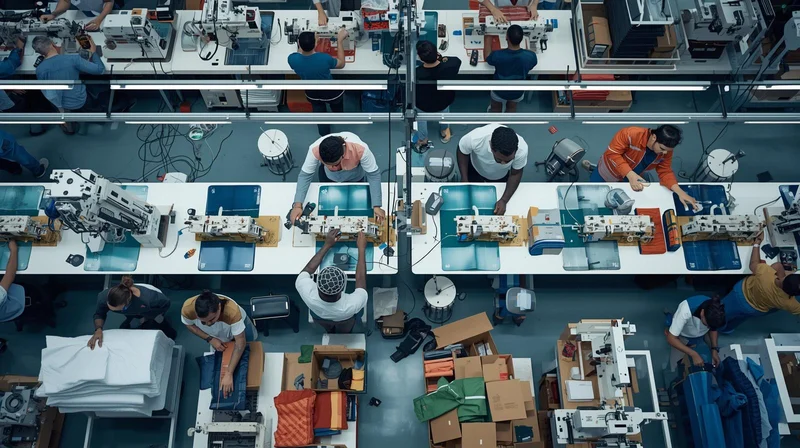
While the design work happens in Germany and other creative hubs like Portland or Shanghai, the actual physical production is almost entirely outsourced to independent manufacturers. The company works with hundreds of factories, mostly in Asia, to handle the scale of their global demand. This setup relies on long-term contracts where Adidas provides the designs and quality requirements, and the factories handle the labor and assembly.
Sourcing and Production: Adidas Made Where?
The majority of footwear and apparel comes from Vietnam, Indonesia, and China. As of this year data, Vietnam has taken the lead as the largest producer for the brand, particularly for shoes. Cambodia is another major source for clothing. While most mass-produced items come from these regions, you still see smaller-scale production in Turkey for apparel or even Germany for high-end, limited-edition runs or Speedfactory prototypes.
- Footwear: Primarily Vietnam (approx. 40%), Indonesia, and China.
- Apparel: Cambodia, Vietnam, and China are the main hubs.
- Specialty Items: Soccer balls and high-tech gear often come from Pakistan or specialized facilities in China.
Supply Chain Transparency and Quality Control Standards
To keep products consistent regardless of where they are sewn, the brand uses a Workplace Standards manual that every factory must sign. This isn’t just about the physical shoe; it covers how the workers are treated and the safety of the buildings. They perform thousands of audits every year, some of them unannounced, to check if the factories are actually following the rules. If a factory fails these checks repeatedly, the brand eventually pulls the contract. They also participate in the Fair Labor Association (FLA) to have third-party groups look at their supply chain without the company’s direct supervision.

Regional Distribution and Global Logistics Infrastructure
Moving millions of pairs of sneakers requires a complex network of distribution centers. Major hubs are located near key markets, like the massive facility in Rieste, Germany, which handles a large portion of European orders. In the U.S., they operate out of places like Spartanburg, South Carolina. These centers are increasingly automated to speed up the process of getting products from ships to retail stores or directly to people who order through the Confirmed app. The goal is to reduce the time a shoe spends sitting in a warehouse, especially for high-demand lifestyle drops like the Samba or Gazelle.
Strategic Market Influence: Evaluate the Retail Company Adidas on Global Football/Soccer Culture
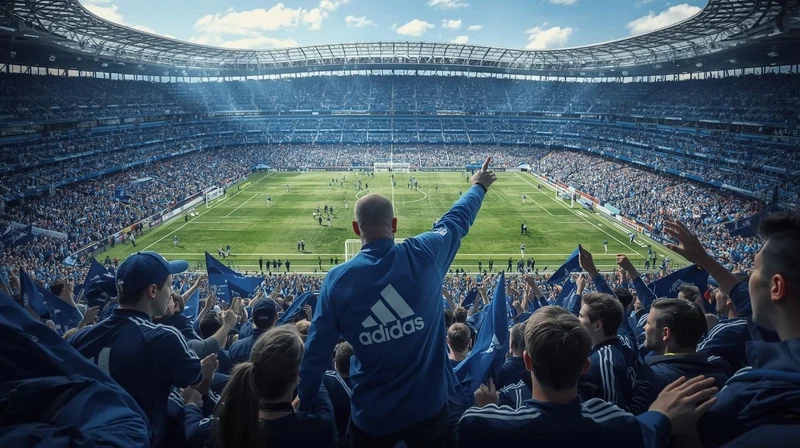
The connection between the three stripes and the soccer pitch isn’t just about modern marketing; it’s basically baked into how the sport developed over the last century. Most people looking for cleats or jerseys today see the brand everywhere from Sunday leagues to the Champions League final, and that’s because they’ve positioned themselves as the literal official face of the game through massive FIFA and UEFA partnerships.
Performance Innovation on the Pitch: Predator and Adizero Technology
If you’ve played recently, you know the Predator name is still the heavy hitter in their lineup. For this season, they brought back the Powerspine tech in the sole, which is meant to keep the midfoot stiff so you don’t lose power when striking the ball. They also ditched some of the older rubber materials for a new Nanostrike+ upper that feels a lot thinner and more like a second skin. On the other side, the Adizero, or the F50, depending on which branding cycle they’re in, is purely about stripping away weight. They use Lightstrike Pro foam, which actually comes from their marathon running shoes, to give players that explosive feeling when they sprint.
National Team Partnerships and the Miracle of Bern Legacy
The brand basically built its reputation on the Miracle of Bern in 1954. Back then, Adi Dassler gave the German team boots with screw-in studs when it started raining, allowing them to beat a heavily favored Hungarian side. That moment is still a huge part of their identity. Today, they hold onto some of the most valuable national team contracts in the world, including Germany, Argentina, and Spain. It’s a strategy that pays off every four years during the World Cup, as they usually manufacture the official match ball and supply the kits for about a third of the participating nations.
The Intersection of Professional Sport and Fan Lifestyle
Soccer culture has moved off the grass and into the streets, which is something the brand has leaned into with their Originals fan jerseys. These aren’t the tight, polyester performance shirts the players wear; they’re retro-inspired cotton or heavy-knit tops designed to be worn with jeans. You see this a lot in their collaborations with streetwear labels like Bape or high-end fashion houses. It’s about taking the tribal loyalty people have for their clubs, like Real Madrid or Manchester United, and turning it into a wardrobe staple that works outside of a stadium.
Athletic Excellence: Evaluate the Sportswear Global Company Adidas on Running Apparel
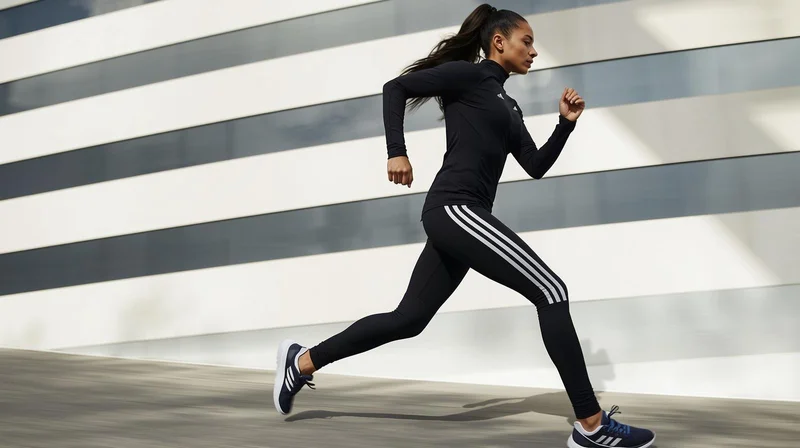
Running has become the brand’s secondary battleground after soccer. They’ve shifted away from making generic gym clothes to creating highly specific gear for different types of runners, from the casual 5k jogger to the super shoe elite crowd.

High-Performance Textiles and Cushioning Systems
The fabric tech has changed significantly in the last couple of years. Most of the top-tier running shirts now use Aeroready or Heat.RDY zones, which are essentially different knit patterns in high-sweat areas like the back and underarms. They’ve also been aggressive about moving to recycled polyesters. On the shoe side, the cushioning is where the real investment goes. You have Dreamstrike+ for everyday comfort in shoes like the Supernova, while the Adizero line uses the more aggressive, energy-returning foams meant for racing.
Engineering for the Modern Athlete: Lightstrike and Boost Innovations
Boost was the big breakthrough ten years ago, those white pellets that looked like styrofoam, and it’s still used in the Ultraboost 5X for people who want a soft, bouncy ride. But for serious speed, they’ve moved toward Lightstrike Pro. It’s a much firmer, lighter foam that doesn’t bottom out over long distances. In their supershoes like the Adios Pro 4, they actually sandwich carbon rods between layers of this foam to act like a spring, which has helped break several world records recently.
Technical Specifications and Durability Standards for Distance Runners
One thing to watch for when buying online is the Continental rubber logo on the outsoles. They’ve partnered with the tire company for years because that rubber lasts way longer on asphalt than the cheaper stuff. For distance runners, they’ve started adding more Support Rods in the midsole to help with foot stability as you get tired. They tend to have a slightly narrower fit in the heel compared to some American brands, so it’s worth checking the specific model’s width before committing to a long-distance trainer.
Evolution of the Trefoil: Evaluate the Sportswear Global Company Adidas on Lifestyle Apparel
The Lifestyle segment is arguably more profitable for them now than the actual sport-specific gear. They’ve successfully separated their Performance logo (the three slanted stripes) from the Originals logo (the Trefoil), which is reserved for their fashion and heritage pieces.
The Heritage of Originals: Samba, Gazelle, and Superstar
The Samba has had a massive resurgence lately, going from a dusty indoor soccer shoe to the most seen sneaker on social media. It’s part of a group they call Terrace shoes, flat-soled, suede or leather trainers that were originally popular with European soccer fans in the 70s and 80s. The Gazelle and Superstar fall into this same bucket. These aren’t shoes you’d want to run a marathon in, but they’re built with decent leather and are intended for daily wear. The Adilette slide belongs in this conversation too. It’s been a locker-room and poolside fixture since the 1970s and has barely changed since, which is rare for a brand that redesigns everything else every six months.
Adidas Lifestyle Apparel Strategy Germany: Merging Archive Designs with Modern Trends
The design team in Germany spends a lot of time in their Archive, which is a temperature-controlled room with every product they’ve ever made. Their current strategy involves taking a silhouette from, say, 1992 and updating it with modern materials or oversized fits that are popular now. You see this in the Adicolor line, it’s the same basic tracksuit they’ve sold for decades, but every season they tweak the colors and the cut to match what’s happening in street fashion. Bought separately, the track jacket and the joggers from that line are usually the smarter entry point than the full tracksuit. Same fabric, same colorways, half the commitment.
Cultural Integration and the Rise of Terrace Fashion
Terrace fashion refers to the look of fans standing on the terraces of British and European stadiums. It’s characterized by track jackets, bucket hats, and those flat-soled sneakers. The brand has leaned into this casual subculture because it feels more authentic than just paying a celebrity to wear their clothes. By keeping these classic designs in constant rotation, they’ve managed to stay relevant with younger shoppers who want something that feels vintage but is brand new.
Where Else Adidas Shows Up: Golf, Cricket, Padel, Baseball, and the Outdoors
Golf
Adidas has quietly been one of the bigger names in golf for two decades. The Tour360 has been the flagship shoe since 2005, and 2026 brought back the Adipower name after it sat on the shelf for almost ten years. Current tour players wearing the brand include Xander Schauffele, Collin Morikawa, and Ludvig Åberg.
Cricket
This one surprises people outside South Asia: Adidas holds the kit sponsorship for Team India through 2028, on top of smaller county-level deals like Gloucestershire. They’ve actually made cricket gear since the 1970s, and players from Sachin Tendulkar to Rohit Sharma have worn it.
Padel
Padel is the fastest-growing thing in the portfolio right now. The 2026 collection is fronted by pro player Ale Galán, and the Metalbone racket line lets players adjust the weight and balance of the racket itself, which is a level of tinkering most racket sports don’t offer.
Baseball
Not a category people associate with Adidas, but the Adizero Impact and Adizero Afterburner cleats use the same Lightstrike foam as the running shoes, built for infielders and baserunners who want something lighter than a traditional metal-spike cleat.
Hiking and the Outdoors
Terrex is the dedicated outdoor line, and it’s older than most people assume. It traces back to the Super Trekking boot that supported Reinhold Messner’s oxygen-free Everest climb. The current flagship, the Free Hiker, pairs a GORE-TEX membrane with Boost cushioning, which is basically trail-running comfort built into a hiking boot.
Basketball
After years of losing ground to Nike in this category, the brand has put real weight behind two signature athletes: Anthony Edwards, whose AE 1 was widely called sneaker of the year in 2024, and James Harden, whose Vol. series has quietly kept going for almost a decade.
Adidas Global Player: Regional Expansion and Market Adaptation
The way the company moves into different parts of the world has changed a lot lately. They used to run everything strictly from the German headquarters, but that caused them to miss out on local trends. Now, they give regional offices more power to decide what actually goes on the shelves. This helps them react faster when a specific shoe becomes a hit in one city but not in another.
Adidas Latin America Growth Strategy 2023 and Beyond
In Latin America, the push has been heavily tied to football culture and high-profile sponsorships. Since 2023, they have poured resources into major hubs like Brazil and Mexico, not just for selling jerseys, but for setting up local distribution centers to cut down on shipping times. The market there is huge for terrace footwear, so they’ve prioritized keeping Sambas and Gazelles in stock in those specific regions. It’s a move to capture the growing middle class that wants the global brand name but needs it to be available locally without massive import delays.
Localized Marketing: Global Brand, Local Mindset
Instead of using the same ad campaign worldwide, the brand now lets local teams tweak the messaging. In London, that might mean featuring a local grime artist, while in Tokyo, the focus shifts to high-end craftsmanship and tech. It’s about not looking like a faceless German giant. They want to feel like they belong in the specific neighborhood where the store is located.
Adapting to Consumer Sentiment in Greater China and North America
The situation in China was tricky for a few years due to shifting consumer loyalties toward domestic brands. To fix this, they started creating products specifically for the Chinese market, incorporating local design elements and collaborating with Chinese artists. In North America, the challenge is different; they are fighting for space in a market dominated by Nike. Their response has been to double down on basketball and the Confirmed app to build a direct connection with sneakerheads who are tired of missing out on limited releases.
Brand Identity and Value Positioning
The brand tries to occupy a middle ground between high-fashion and pure utility. They use two different logos, the Performance logo and the Trefoil, to signal to the shopper exactly what they are getting: gear for the gym or gear for the street.
Adidas Demographics: From Professional Athletes to Gen Z Fashion Leaders
The audience is split. You have the older demographic that buys the shoes for running or tennis, and then you have the Gen Z crowd that probably hasn’t stepped on a track in years but wears the tracksuits because they’re a staple of vintage fashion. The company manages this by splitting their product drops. You’ll see a technical marathon shoe launch alongside a limited-edition collaboration with a luxury fashion house, hitting two completely different types of buyers at the same time.
Adidas Philosophy: Premium Positioning and Brand Equity
Prices are kept high enough to maintain a sense of quality, but they aren’t trying to be a luxury-only brand. They rely on full-price sales to keep their profit margins healthy, especially after moving away from the heavy discounting that hurt them a few years back. The idea is that the brand name itself adds enough value that people are willing to pay a bit more for a pair of Stan Smiths than they would for a generic white sneaker.
Adidas Lifestyle Apparel Global Strategy: Maintaining Exclusivity in a Mass Market
This is a tough balancing act. They sell millions of pairs of shoes, but they use the Confirmed app to drop small batches of hype items. This creates a halo effect. Even if most people are buying the basic version from a local mall, the existence of the rare, hard-to-get versions keeps the brand feeling relevant and exclusive.
- Limited Collaborations: Small runs with designers to keep the brand cool.
- Tiered Distribution: High-end boutiques get different stock than big-box retailers.
- Archive Revivals: Bringing back old styles in small waves to test the market before a wider release.
Innovation and Future-Proofing the Brand
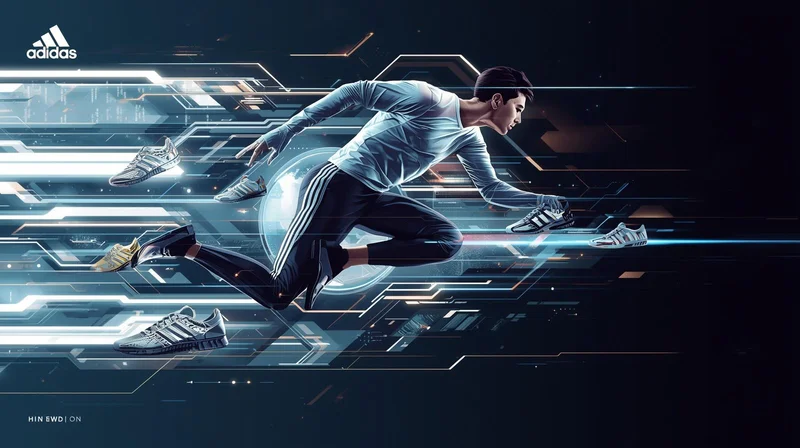
The way the company builds things is moving away from traditional factory lines and toward data-driven 3D printing. You see this most clearly in the Futurecraft program. They aren’t just making soles that look cool; they’re using Digital Light Synthesis to create lattice structures that vary in density. A heel might be stiffer for impact while the forefoot is softer for spring, all within one piece of material.
Sustainability Initiatives: Move For The Planet and Recycled Materials
By the end of 2024, the brand hit its target of using 100% recycled polyester wherever possible. Now, the focus has shifted to Move For The Planet, which is less about just making shoes from plastic bottles and more about community-level climate resilience. They’ve been funding projects like soccer pitches in South Africa that actually double as rainwater harvesting systems. It’s a broader approach to sustainability that looks at the places where sport is played, not just the gear itself.
Digital Transformation: The Role of the Direct-to-Consumer Strategy
The business has been aggressively moving toward a 50% direct-to-consumer (DTC) sales goal. This means they want you buying through the Confirmed app or their own retail stores rather than through a third-party department store. It gives them more control over the full-price cycle and lets them keep better data on what people are actually looking for. They’ve poured over $1 billion into marketing and digital infrastructure recently to make this app experience feel exclusive, especially for high-demand sneaker drops.
Futurecraft and Data-Driven Manufacturing Processes
As we head into this year, the 3D-printing tech is expanding from the sole to the entire shoe. The new ClimaCool prototypes for this year use a fully printed exoskeleton. It’s a shift toward additive manufacturing where there is almost zero waste because you only use the filament needed for that specific shoe. They are even testing FutureCraft X models that mix these printed structures with textiles to give a better fit around the ankle while keeping the architectural look of a printed shoe.
Assessing Brand Credibility and Market Perception
The brand’s reputation is currently in a rebuilding phase that seems to be working. After the massive inventory headache of 2023, they’ve managed to pull themselves back into a profitable position by leaning on their classic designs.
Adidas Lifestyle Apparel Review: Quality Indicators and Longevity
When you’re looking at the apparel, specifically the Originals line, the quality is generally tied to the weight of the fabric. The Adicolor tracksuits use a heavy-weight tricot that holds its shape through a lot of washes, which is why you see so many of them in vintage shops. On the performance side, the Heat.RDY and Aeroready tech are the markers to look for. These aren’t just names; they refer to specific knit patterns that help with airflow. If a shirt feels stiff or overly plastic-y, it’s likely an entry-level piece rather than their high-tier performance gear.
Consumer Trust, Reputation, and Post-Yeezy Market Recovery
The split with Kanye West was a huge test for the company’s credibility. They spent most of 2024 and 2025 clearing out that inventory and donating a portion of the proceeds to anti-discrimination groups. Consumer trust has largely recovered because they didn’t just dump the product in a landfill, and they’ve filled the hype gap with successful Terrace shoes like the Samba. Market sentiment is high, especially since they’ve returned to double-digit growth in key areas like Greater China and Europe.
Awards, Recognition, and Global Sportswear Rankings
The company consistently ranks in the top two globally for sportswear, right alongside Nike. In 2025, they were recognized for their work in circularity, specifically for the Made to Be Remade service which allows people to return worn-out gear to be ground down and turned into new products. Their racing shoes, like the Adizero Adios Pro, also continue to pick up awards from major running publications for setting new marathon records.
Informed Decision Making: Evaluating Adidas for the Online Consumer

Shopping for this brand online can be a bit of a gamble if you don’t know their specific quirks, especially since their sizing and sub-brands vary so much.
Identifying Authentic Products and Verification Methods
Because the brand is so popular, counterfeits are everywhere on secondary marketplaces. One of the easiest ways to verify a real pair is through the Confirmed app or checking the SKU (stock-keeping unit) number on the inside tag against the official website. Real pairs will have very clean stitching around the stripes, if you see fraying or glue spills where the upper meets the sole, it’s a red flag. Also, the Boost material on authentic shoes has a very specific bouncy texture; fakes often feel like hard, molded plastic.
Sizing Consistency Across Performance and Lifestyle Lines
This is the most common complaint among online buyers. The sizing is not universal across the brand. Fit also shifts slightly by gender, not just by model. Women’s-specific lasts tend to run narrower through the heel than the men’s version of the same shoe, so it’s worth checking which last a listing is actually built on before assuming a straight size conversion works.
- Ultraboost: Usually runs small because of the sock-like Primeknit. Most people go half a size up.
- Samba/Gazelle: Generally true to size but very narrow. If you have a wide foot, you might struggle.
- Adizero Racing: Can feel roomier in the toe box to allow for foot swelling during long runs.
- Superstar: Often runs a bit large; many people find they need to size down by half.
Balancing Technical Needs with Aesthetic Preferences
It’s tempting to buy a shoe like the 4D or the Ultraboost just for the looks, but they are built for specific movements. None of this applies to actual gym training, for what it’s worth. Their training shoes use a flatter, non-cleated sole built for lateral stability during lifting or circuit work, which is a different job than anything in the running lineup, even when the silhouettes look similar on a shelf. If you’re just walking around town, a 4D might feel too heavy or stiff compared to a cloud-foam lifestyle shoe. Conversely, don’t try to run a 10k in a pair of Sambas just because they look good; they have zero arch support and a flat rubber sole that offers no impact protection. Always check the Intent section on the product page.
Analyzing Brand Strengths and Limitations for Specific Use Cases
The brand’s biggest strength is the crossover appeal, you can wear a track jacket to the gym and then out to dinner. However, a limitation is their specialized narrow fit in many heritage models. If you need wide-width options, they have fewer choices than a brand like New Balance or Asics, both of which build wide-width options into more of their running lineup by default. They also tend to lean heavily on drop culture, which means the most popular colors and styles sell out in seconds, leaving casual shoppers with fewer options unless they want to pay resale prices.
Summary:
Adidas traces its roots back to a laundry room in Bavaria, where a family rift eventually birthed one of the most recognizable names in sportswear. While the company started with handcrafted spikes for Olympic athletes and revolutionary screw-in studs for the German national football team, it has transitioned into a massive, publicly-owned entity. Today, the operation is managed out of its high-tech World of Sports campus in Herzogenaurach, but the actual assembly of its gear happens across an expansive network of independent factories, primarily situated in Vietnam and Indonesia. This global setup is kept in check by rigorous workplace standards and third-party audits to ensure that the quality remains consistent across different production hubs.
The brand’s current strategy leans heavily on its dual identity, splitting focus between specialized performance tech and a massive archive of lifestyle Originals. On the pitch and the track, they are pushing boundaries with carbon-infused racing shoes and 3D-printed midsoles that offer variable density for athletes. Meanwhile, in the fashion world, they’ve capitalized on the Terrace culture trend, reviving classic, flat-soled silhouettes like the Samba for a younger audience that values heritage over high-speed utility. This shift toward a more localized marketing approach means regional offices now have more say in what styles hit their local markets, allowing the brand to stay relevant in places like Latin America and China where consumer tastes can change almost overnight.
Navigating the brand’s offerings online requires a bit of insider knowledge, as sizing and fit are notorious for being inconsistent across different product lines. For instance, the tight, sock-like fit of performance running shoes often requires sizing up, while iconic streetwear models like the Superstar tend to run large. Beyond just finding the right fit, the brand has been working through a significant recovery period following the end of high-profile partnerships, focusing on direct-to-consumer apps to manage limited drops and protect against counterfeits. They’ve also anchored their future in circularity, hitting major recycled polyester targets and launching take-back programs that aim to turn old gear into new materials rather than sending them to a landfill.