
Zara’s Fast Fashion Formula maintain by its global fashion dominance through a high-speed supply chain and data-driven inventory management.
Key Takeaways
- Proximity-based manufacturing allows Zara to move designs to stores within just two to three weeks.
- Strategic store placement near luxury brands creates a high-end image without expensive traditional advertising.
- Advanced RFID technology provides real-time inventory tracking to ensure accurate stock levels across global locations.
- Frequent inventory turnover encourages a “buy it now” mentality among customers visiting the physical stores.
Amancio Ortega started out in 1975 in A Coruña, a coastal city in Galicia, Spain. It wasn’t some grand corporate launch. He actually wanted to name the first store Zorba, after the film, but a bar nearby already had the name, so he scrambled the letters and ended up with Zara. The origin of Zara was really just a small shop selling quilted robes and housecoats that looked like high-end designer items but cost much less. It was a very local operation back then, far from the global image people have of the brand today.
When it comes to the timeline of how it all scaled, when was zara founded serves as the starting point for a slow build toward the Inditex structure. By the 1980s, the business moved into other Spanish cities. The real shift happened in 1988 when they opened in Porto, Portugal, which was their first international venture. They hit New York and Paris shortly after. This wasn’t just about opening more doors; it was the moment Zara became the flagship for Inditex, the holding company Ortega set up to manage the growing complexity of his retail interests.
Looking back at the history of zara company, you see this weird transition from traditional dressmaking to something almost industrial. In the early days, they were just making clothes and selling them, like any other tailor. But Ortega realized that the “traditional” way of doing things, designing a collection months in advance and hoping people liked it, was risky.
- Early production stayed in-house in Galicia.
- The focus shifted from “what can we make” to “what are people actually wearing today.”
- Distribution systems were built to move goods in days, not months.
This change turned a small Spanish boutique into a massive global powerhouse. It changed the way the entire industry looked at inventory. Instead of a few big seasonal launches, the brand started trickling in new items constantly, which meant the stores never looked the same two weeks in a row. It was a complete departure from the way fashion retail had functioned for decades.

The Architecture of the Zara Business Model
Most clothing brands ship tech packs to factories in Asia months before a season starts, but the zara business model works on proximity. About half of their production happens in “near-shore” locations like Spain, Portugal, Turkey, and Morocco. This isn’t about labor costs; it’s about geography. When a trend pops up on social media, the design team in Spain can get a pattern to a factory in Portugal and have the physical garment back in the distribution center in a few weeks.
The logistics side is handled through a massive centralized system in Spain. Zara warehousing operates more like a high-speed airport than a storage unit. Every single piece of clothing, regardless of where it was sewn, eventually passes through these Spanish hubs for inspection and sorting. Because they move inventory twice a week, the clothes are barely in the warehouse for more than a few hours. This speed is what stops the company from getting stuck with thousands of unsold neon sweaters or flared jeans if a trend dies suddenly. If something isn’t selling in London but is flying off the shelves in Tokyo, the data allows them to pivot production immediately.
- Production stays close to the headquarters to save time on shipping.
- Small batches are manufactured first to test the market reaction.
- Fast feedback loops from store managers reduce the need for end-of-season clearance.
Identifying the Target Market for Zara
The typical target market for zara consists of people living in major cities who want to look like they are wearing high-fashion labels without the four-figure price tags. These are consumers who track what is happening on runways in Milan or Paris but need a version they can wear to the office or out on a weekend. They aren’t necessarily looking for “investment pieces” that last a decade; they want the current silhouette while it is still relevant.

Psychologically, the brand relies on a sense of “buy it now or lose it.” Because the stock changes so fast, customers know that if they don’t buy a specific blazer today, it probably won’t be there on Saturday. This creates a habit where people visit the shops way more often than they would a typical department store.
Instead of buying Super Bowl ads or paying for massive billboard campaigns, the zara marketing strategy is almost entirely tied to real estate. They put stores on Fifth Avenue in New York or Regent Street in London, right next to luxury houses like Gucci or Prada. The idea is that being physically near the world’s most expensive brands rubs off on their own image. The store window is the advertisement. This keeps their actual marketing spend extremely low compared to other global retailers, as they let the foot traffic and the prestige of the location do the heavy lifting.
Strategic Product Ecosystem and Collections
The way the floor space is split up says a lot about who they expect to walk through the door. You’ve got the main Zara Woman, Man, and Kids lines, but they aren’t just size variations. Each section operates with its own design pace. Historically, the trafaluc collection zara, or TRF as most people called it, was the engine for reaching a younger crowd. It was edgier, a bit more experimental, and usually the first place you’d see a weird runway trend translated into something wearable. While TRF has been folded more directly into the main woman’s line in recent years, its legacy of grabbing the “Gen Z” or teenage market early on was a massive part of their growth.
This whole setup ties back to the zara company mission statement, which is basically about making sure fashion isn’t just for people with a huge budget. By segmenting the store, they make sure a college student and a corporate executive can both find something without the brand feeling confused. It’s a democratization of style that actually works because the aesthetic remains consistent across all those tiers.
The Fast Fashion Mechanism: Speed to Market
People always ask is zara fast fashion, and the answer is usually based on how fast they can copy a look. But it’s really about the supply chain. Most retailers work on a six-month cycle. Zara does it in two to three weeks. They don’t guess what will be popular next summer; they watch what people are wearing in Soho or Harajuku right now and put a version of it in stores while the trend is still peaking.
- Store managers are the primary researchers.
- They send daily digital reports on what customers are asking for or returning.
- Designers tweak patterns based on this “instant data” rather than a creative director’s whim.
Branding Zara: Perception vs. Reality
The trick to branding zara is making a mass-market store feel like a boutique. They spend a fortune on architectural glass and minimalist lighting. When you look at zara nashville photos or their flagship in Milan, you don’t see cluttered racks or messy clearance bins. It looks expensive. That high-end visual language builds a lot of trust. If the store looks like a luxury showroom, the customer perceives the $60 dress as a steal rather than just another cheap garment.

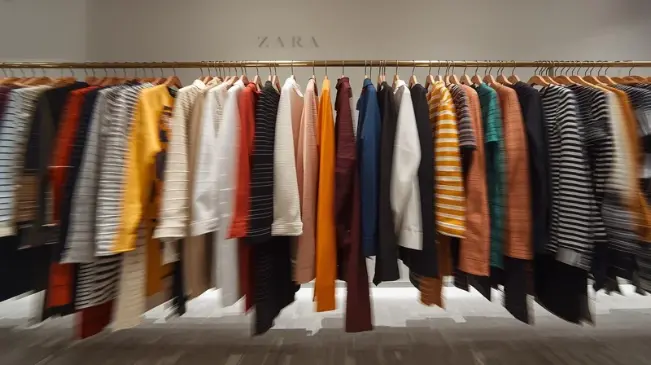
It’s a clever bit of positioning. By mimicking the interior design of the fashion houses they are inspired by, they bridge the gap between “mass market” and “prestige.” Even the way the clothes are spaced out on the hangers is intentional, it’s meant to look curated. This environment makes the buyer feel like they are participating in a luxury experience, even if the price tag suggests otherwise.
Strategic Pillars of Global Success
The way the zara marketing strategy works now is a lot different than just having a nice website. They’ve basically bridged the gap between the physical store and the app. If you go into a shop and can’t find a size, the app points you to the exact shelf in a nearby location or lets you ship it from the warehouse immediately. This “omnichannel” setup isn’t just for convenience; it feeds the company a constant stream of data about what people are actually looking for in real-time.
The tech behind this is pretty invisible to the shopper. They use Radio Frequency Identification (RFID) chips embedded in the security tags. It’s a massive logistical undertaking. Every time a shirt is moved from a backroom to a rack or sold at the register, the system updates. This means the brand knows exactly where every single garment is located across thousands of global stores. It cuts down on the time employees spend counting inventory and lets them focus on getting new shipments onto the floor faster.
- RFID tags are encoded at the logistics centers before shipping.
- Stocks are replenished based on hourly sales data rather than weekly guesses.
- Inventory accuracy makes the “pick up in store” feature actually reliable for the customer.
Trying to stick to the zara company mission statement about providing fashion for everyone has run into some friction lately with sustainability. The brand is under a lot of pressure because of the sheer volume of clothes they produce. Critics point out that “fast” usually means “disposable.” In response, they’ve started talking more about textile recycling and using organic cotton, but it’s a difficult balance to maintain when the whole business model is built on high-speed turnover and getting people to buy something new every few weeks. They are trying to pivot toward a circular economy model, but the scale of their operations makes that a slow process.
Summary
Zara started out as a small shop in Spain back in the mid-seventies, long before it became the massive operation under the Inditex umbrella we see today. The founder, Amancio Ortega, moved away from the traditional retail method of planning seasons months in advance, choosing instead to focus on what customers were actually buying in the moment. This shift turned the company from a local dressmaker into a global powerhouse by prioritizing speed and real-time feedback over old-school fashion cycles. By keeping production close to home in places like Portugal and Morocco, they managed to cut down the time it takes to get a new design from the drawing board to the store shelf to just a few weeks.
The actual business model relies on a very specific type of logistics that feels more like an airport hub than a standard warehouse. Every garment passes through a central sorting facility in Spain, which allows for inventory to be refreshed twice a week. This constant turnover creates a “buy it now” mentality for shoppers, who know that the stock is limited and changes fast. Instead of spending money on massive ad campaigns, the brand puts its stores in high-end real estate locations right next to luxury designers. This physical proximity, combined with minimalist store design, makes the clothing feel more expensive and exclusive than the price point would suggest.
Lately, the company has integrated a lot of high-tech tracking, like RFID chips in every security tag, to keep tabs on exactly where every piece of clothing is at any given time. This data-driven approach helps them bridge the gap between their online app and physical stores, making sure they don’t overproduce items that aren’t selling. However, the sheer scale of this “fast fashion” output has led to increasing criticism regarding environmental impact. While they have started moving toward more sustainable materials and recycling programs, balancing that massive production volume with modern environmental standards remains a significant challenge for their long-term strategy.