


Nike leads in high-performance innovation while Adidas gains ground through superior value and satisfaction.
Key Takeaways
- Nike dominates North American markets with elite athletic tech and a digital-first consumer strategy.
- Adidas edges out competitors in global customer satisfaction by prioritizing comfort and affordable pricing.
- Brand loyalty stems from Nike’s aspirational elite image versus the heritage-driven Adidas lifestyle aesthetic.
- Fit remains a major differentiator as Nike favors narrow silhouettes while Adidas offers roomier designs.
The current sportswear landscape in 2026 is essentially a story of two giants moving in different directions despite sharing the same shelf space. For years, the conversation was just about who had the bigger athletes, but now it’s more about how these companies handle their global presence. Nike is still the heavy hitter when you look at the raw revenue and total market share, especially in North America where they really don’t have a close second. They’ve leaned hard into a digital-first approach, trying to own the whole experience from the app to the front door.
But if you look at global sentiment lately, the “Nike vs Adidas brand comparison” looks a bit different than it did five years ago. Adidas has been making a lot of noise in the value and satisfaction categories. While Nike’s market share is massive, recent surveys show Adidas is actually starting to edge them out in terms of general consumer satisfaction and the “recommend” factor. A lot of that comes down to perception. People are starting to see Adidas as the brand that gives you a bit more for your money, even if they aren’t selling as many total pairs of shoes as the Swoosh.
- Nike still leads in total global revenue and North American dominance.
- Adidas is seeing higher satisfaction scores among current customers.
- The “value for money” gap is widest in international markets outside the US.
The question of which is better Nike or Adidas usually depends on what you’re tracking. If it’s pure innovation and professional sports kits, Nike is the default. However, Adidas has managed to claw back significant territory by staying consistent with their heritage lines while Nike dealt with some inventory shifts and a transition in leadership. It’s less of a blowout and more of a tactical back-and-forth now, with Adidas positioning itself as the more relatable, value-driven alternative to Nike’s elite, high-performance image.
What Each Brand Is Known For:
Nike basically built its entire reputation on the idea of the “elite athlete.” From the early days with track coaches and University of Oregon runners, they’ve pushed a specific kind of storytelling that makes people feel like they’re part of a championship pedigree. It’s a brand positioning built on aspiration. When someone looks at the Swoosh, they usually think of Michael Jordan or LeBron James before they think about the actual materials in the shoes. This emotional pull is a big reason why people get into heated debates over why is nike better than adidas, often ignoring the specs just to stick with the brand they grew up watching on TV.

Adidas comes at things from a much more industrial, European angle. Their roots are buried deep in global football, soccer, for those in the States, and that pitch-side heritage still dictates how they design things today. There is this clear German engineering vibe in their setups, where things feel calculated and sturdy. Lately, they’ve pivoted hard toward a sustainable lifestyle angle, pushing recycled ocean plastics and more earthy, “terrace” fashion looks that work better in a coffee shop than a gym.
- Nike: Built on high-stakes performance, aggressive marketing, and the “Just Do It” mentality.
- Adidas: Grounded in football culture, classic three-stripe aesthetics, and a massive focus on eco-friendly manufacturing.
The importance of brand loyalty in athleisure stock performance isn’t just some abstract business metric. It shows up in the way people refuse to mix logos. Most people who buy these brands are incredibly tribal; if you have a closet full of Three Stripes, you aren’t suddenly switching to Nike because of a 10% price difference. This loyalty creates a predictable revenue stream that investors bank on. Fans stick to one logo for life because the brand becomes a shorthand for their own identity, Nike for the hyper-competitive, Adidas for those who value the intersection of sport and subculture
Main Products and Categories:

If you walk into a store today, the way these two companies organize their gear is pretty telling of who they think they are. Nike has essentially turned the Jordan Brand into its own universe. It’s not just about basketball anymore; you’ve got Jordan golf shoes, football cleats, and high-end fleece that people wear specifically for the status. Then you have the core Nike lines like the Pegasus, which is basically the oldest sneakers line still getting annual updates, and the newer Max Dn series that’s everywhere right now.

Adidas operates with a bit more of a split personality between their performance stuff and the Originals line. Originals is where the “Three Stripes” heritage lives, think Sambas, Gazelles, and those chunky Campus 00s that have stayed popular through 2026. Their lifestyle catalog is surprisingly deep, too. You’ll see things like the “adidas sweatshirt light pink” or the “adidas womens slip on sneakers” popping up in casual office settings or school runs. They seem to have a better grasp on making gear that looks like “regular clothes” rather than just gym wear.
- Nike Jordan Brand: High-heat retros and elite performance basketball gear.
- Adidas Originals: Retro-inspired lifestyle shoes and vintage-style tracksuits.
- Nike Running: The Pegasus and Alphafly lines for serious distance.
- Adidas Sportswear: Versatile basics like the Tiro pants and Cloudfoam slides.
Retail partnerships have also changed how both brands reach people who aren’t “sneakerheads.” You can find a specific tier of “target adidas shoes” or entry-level Nikes at big-box retailers that are built for price over pure tech. These models might not have the carbon plates or the top-tier foam, but they make the brand accessible to a wider audience. It’s a smart move, getting a pair of Adidas slip-ons into a grocery cart is just as important for their bottom line as selling a limited-edition collab.
Comparing Performance Tech for Athletes:

If you strip away the logos, the real difference between these two brands is the “engine” sitting under your foot. Nike has spent years perfecting Zoom Air and their React foam, which feel distinct from anything else on the market. Zoom Air is basically a pressurized air unit with tightly stretched fibers inside; it gives you a snappy, almost springy sensation that’s great if you want to feel fast. On the other hand, React is their “everything” foam, it’s lightweight and handles a lot of miles without packing out, but it’s definitely firmer than what you’ll find across the aisle.
Adidas takes a completely different approach with Boost and Lightstrike. Boost is made of thousands of little expanded capsules fused together, and it’s famous for that “marshmallow” feel. It doesn’t really care about the temperature outside either, so it stays soft even in the winter, whereas some Nike foams can get a bit stiff in the cold. Lightstrike is their newer, lighter alternative used in high-speed models, and while it’s not as plush as Boost, it provides a much more stable, grounded ride for quick movements.
- Nike Zoom Air: Best for high-energy return and a “pop” off the ground.
- Nike React: Durable and lightweight, though a bit more rigid.
- Adidas Boost: Maximum comfort and impact protection, especially for long walks.
- Adidas Lightstrike: Snappy and firm, designed for speed and lateral stability.
When it comes to “nike running shoes vs adidas running shoes,” the fit is usually the dealbreaker. Nike benchmarking traditionally favors a very narrow, “locked-in” silhouette. If you have a wider foot, Nikes can feel like they’re strangling your midfoot or pinching your toes. Adidas tends to build their shoes on a roomier last, offering a wider toe box that lets your feet splay out naturally. This makes Adidas a safer bet for people who prioritize all-day comfort, while Nike remains the go-to for those who want that aggressive, second-skin performance fit.
The Battle for Streetwear Dominance:
The shift from the gym to the runway has been handled differently by both brands, but Nike’s strategy with high-heat collaborations is still the industry standard. Their work with Off-White basically redefined what a “luxury” sneaker looks like, introducing deconstructed layers and zip-ties that people are still obsessed with in 2026. This hype is so intense that “off white cheap” has become a massive search term for people trying to find that specific aesthetic without the four-digit resale price tag. Nike knows how to create scarcity, which keeps their brand at the top of the streetwear food chain.

Adidas has taken a more “low-profile” route lately, leaning heavily into the terrace trend. You can’t go a block in most cities without seeing a pair of Sambas or Gazelles. These aren’t tech-heavy shoes; they’re simple, classic leather sneakers that work with almost any outfit. They’ve also introduced newer models like the “adidas phantoms” to bridge the gap between their retro archives and modern tech-wear. While Nike dominates the “hype” side of streetwear, Adidas has arguably won the “daily driver” category by making shoes that feel less like a collector’s item and more like a staple.
- Nike Streetwear: Dominated by Jordan retros, Dunks, and high-fashion collabs.
- Adidas Streetwear: Driven by the “terrace” aesthetic (Samba, Gazelle) and vintage tracksuits.
- Culture Impact: Nike relies on elite celebrity partnerships; Adidas relies on subculture movements.
The “Nike vs Adidas for streetwear” debate really comes down to whether you want a statement piece or a timeless look. Nike’s designs are often louder and more experimental, whereas Adidas feels more grounded in European subcultures and minimalist style. Even without the massive limited-edition drops that Nike is known for, Adidas stays relevant by ensuring their core classics never actually go out of style.
Why Customers Trust These Brands:

Recent sentiment data from 2025 and early 2026 shows that the gap in “brand health” between these two has closed up significantly. For a long time, Nike was the undisputed king of quality perception, but current consumer reports have the “adidas product quality rating” almost dead-even with Nike on a global scale. In fact, among people who are already customers, Adidas actually scores slightly higher in satisfaction. It seems like while Nike gets the “cool factor” votes, people who are actually putting miles into their gear are finding the Three Stripes a bit more reliable for daily wear.
The real difference shows up in how these companies handle the “what if it doesn’t fit” problem. Nike’s return policy is famously aggressive, they usually let you wear the shoes for 60 days and still send them back if you don’t like the feel. That builds a massive amount of “customer trust” because it removes the risk of buying a $180 sneaker. Adidas is a bit more traditional; they have a solid 30-day window, but they’re generally stricter about the condition of the return. If you’re a runner who needs to actually test a shoe on the pavement before committing, that’s often the deciding factor in the “should I buy Nike or Adidas” debate.
- Nike: Higher perceived quality in the US; 60-day “wear-and-return” policy.
- Adidas: Leads globally on “Value for Money” metrics; higher satisfaction among existing owners.
- Sizing Consistency: Nike runs narrow and snug; Adidas is traditionally roomier but less consistent across different models.
Sizing is the other big pillar of trust, and it’s where things get messy. Nike is incredibly consistent, once you know your Nike size, you’re usually set for life across almost every model they make. Adidas is more of a wildcard. A size 10 in a Samba might feel completely different than a size 10 in an Ultraboost. This inconsistency is one of the few things that actually hurts “nike vs adidas brand loyalty.” People hate having to guess their size every time they try a new release, which is why Nike’s “predictable fit” keeps their domestic customer base so locked in.
Points Buyers Should Know About Pricing:

The price tags on high-end sneakers have reached a point where people are regularly looking at $200 or more for a standard pair of runners. When looking at why nike so expensive, it usually comes down to the tech stack they shove into the midsole. If you want ZoomX foam, the stuff they use in their marathon breaking shoes, you’re going to pay a massive premium for that energy return. Nike positions itself as a luxury performance brand, so you aren’t just paying for the rubber and mesh; you’re paying for the R&D that went into making the shoe a fraction of an ounce lighter than last year’s model.
Adidas tends to win on the value proposition side of things, especially in markets outside of the US. While their top-tier carbon plate shoes are also pricey, their mid-range gear often feels like a better deal. You can get a pair of shoes with Boost cushioning that feels almost identical to the flagship models but at a significantly lower entry point. They seem more willing to keep their core comfort technology accessible to the average person who just wants a good pair of walking shoes without the “elite athlete” markup.
- Nike: Higher entry price for “Alpha” technologies; focuses on the top 1% of performance.
- Adidas: Better price-to-comfort ratio in the mid-tier; frequent price adjustments in regional markets like addidas usa.
- Resale Value: Nike gear typically holds its value better on the secondary market if that’s something you track.
Who Each Brand Fits Best:
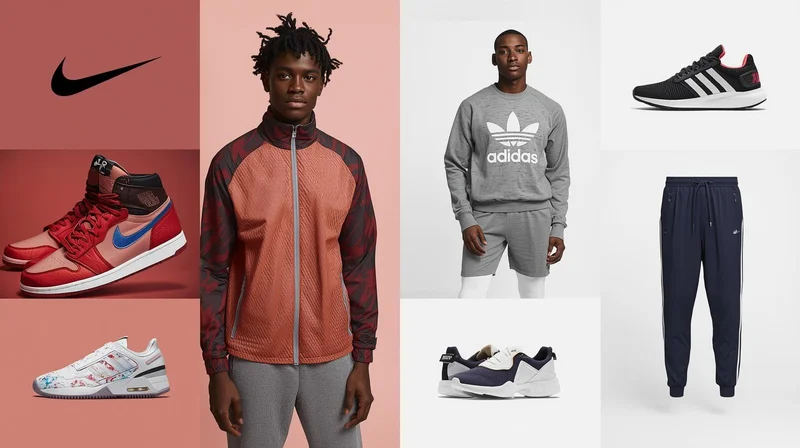
Choosing between these two often comes down to the literal shape of your foot. Nike has a very specific “last”, the mold they use to shape the shoe, that favors a narrow heel and a snug midfoot. It’s an aggressive fit that works well for sprinters or people who like feeling totally locked into their footwear. If you have a wide foot or even just a standard foot that likes to swell during a long day of walking, Nike can start to feel restrictive pretty quickly.
Adidas is usually the better call for “wide-foot friendliness.” They have a much more generous toe box across most of their lifestyle and running lines. When you evaluate the sportswear global company adidas on lifestyle apparel, you notice they prioritize that “all-day comfort” over the tight, glove-like fit Nike goes for. It’s a more relaxed feel that suits people who are on their feet for eight hours a day rather than just forty-five minutes on a track.
- Go with Nike if: You have narrow feet, you want the absolute latest in carbon-fiber tech, or you prefer a “tight” feel for sports.
- Go with Adidas if: You need more room in the front of the shoe, you want a classic aesthetic that doesn’t look like a spaceship, or you’re shopping for casual daily wear.
Style-wise, Nike fits the person who wants to be noticed, the colors are louder and the silhouettes are more experimental. Adidas fits the person who wants something that blends in a bit more. Their “terrace” style and leather classics are essentially the uniform for people who want a clean, minimalist look that doesn’t scream “gym gear” when they’re out at dinner.
Summary:
Choosing between Nike and Adidas in 2026 has become more about a person’s lifestyle philosophy than just picking a pair of sneakers. Nike still holds a massive lead in North American market share and dominates the high-performance space with its aggressive, aspirational branding and cutting-edge tech like ZoomX foam. However, Adidas has spent the last year closing the gap by focusing on consumer satisfaction and a much stronger value proposition. While Nike aims for the elite athlete willing to pay a premium for a fraction of an ounce in weight savings, Adidas has captured the “daily driver” market by offering consistent comfort and a more approachable price point for mid-range gear.
The technical differences underfoot are where the two brands really diverge for people who actually use the gear. Nike’s design language favors a very narrow, locked-in fit that can feel restrictive for anyone without a slender foot, though their 60-day return policy helps mitigate the risk of a bad purchase. Adidas generally builds on a wider mold, which has made them the default for people prioritizing all-day comfort and “wide-foot friendliness.” This split extends to their tech as well, with Nike’s React foam providing a firmer, snappy ride compared to the softer, temperature-resistant marshmallow feel of the Adidas Boost system.
On the cultural front, the two companies are playing entirely different games. Nike relies on scarcity and high-heat collaborations with luxury designers to maintain its status as the king of streetwear hype. Adidas has taken a quieter route, dominating city streets with its “terrace” heritage lines like the Samba and Gazelle, which appeal to those who want a minimalist, timeless look rather than a loud statement piece. Ultimately, the decision usually comes down to foot shape and how much someone values predictable sizing, where Nike wins, versus the roomier, subculture-driven aesthetic that Adidas has mastered in the current market.