

A comprehensive guide to Top Luxury Womenswear Brands covering heritage, elegance, sustainability, and the future of fashion.
Key Takeaways
- Top Luxury Womenswear Brands like Chanel, Dior, and Gucci define global fashion through timeless craftsmanship.
- Sustainability is reshaping luxury, with Stella McCartney and Gucci leading eco-conscious fashion initiatives.
- Celebrity influence and social media amplify luxury womenswear brands’ cultural reach and global desirability.
- Digital fashion, inclusivity, and global expansion are shaping the future of luxury womenswear brands.
Luxury womenswear brands occupy a unique space in the fashion industry. They are not merely clothing labels; they are cultural institutions, storytellers, and symbols of aspiration. From the ateliers of Paris to the runways of Milan, these brands embody craftsmanship, exclusivity, and artistry. For centuries, women have turned to luxury fashion not only to dress but to express identity, status, and creativity.
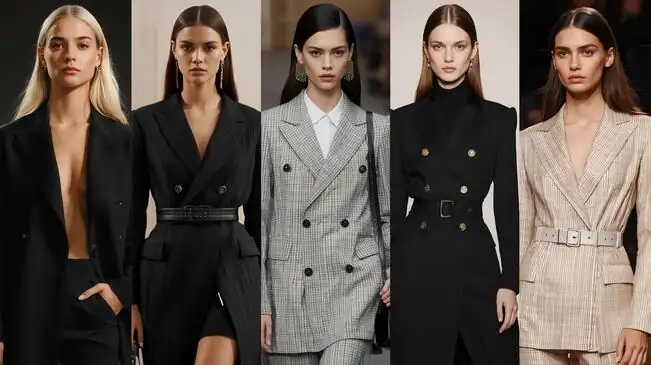
In today’s globalized world, luxury womenswear brands continue to thrive, balancing tradition with innovation, heritage with modernity, and exclusivity with accessibility. This blog explores their history, key players, defining characteristics, cultural impact, sustainability efforts, and future directions, all while weaving in the keyword luxury womenswear brands to highlight their enduring relevance.
1. The Heritage of Luxury Fashion:
Luxury fashion has deep roots in European history. Paris, often called the fashion capital of the world, gave rise to haute couture in the 19th century. Charles Frederick Worth, considered the father of haute couture, pioneered the idea of designing exclusive garments for elite clients. Soon, houses like Chanel, Dior, and Balenciaga emerged, shaping the DNA of luxury womenswear brands.
Italy contributed its own flavor of elegance, with Gucci, Prada, and Valentino emphasizing craftsmanship, leatherwork, and bold design. Britain added sophistication through Burberry’s trench coats and Alexander McQueen’s avant garde artistry. These heritage houses established the codes of luxury: exclusivity, impeccable tailoring, and timeless design.

2. Leading Luxury Womenswear Brands Today:
French Powerhouses:
- Chanel: Founded by Gabrielle “Coco” Chanel, the brand revolutionized womenswear by liberating women from corsets and introducing chic, comfortable designs. The Chanel suit and quilted handbag remain iconic.
- Dior: Christian Dior’s “New Look” in 1947 redefined femininity with cinched waists and voluminous skirts. Today, Dior continues to blend tradition with modernity under creative directors like Maria Grazia Chiuri.
- Louis Vuitton: Known for its monogrammed leather goods, Louis Vuitton has expanded into ready to wear womenswear, combining luxury craftsmanship with contemporary style.
Italian Elegance:
- Gucci: Once famous for its horsebit loafers, Gucci under Alessandro Michele embraced maximalism, eclectic prints, and gender fluid designs, making it one of the most talked about luxury womenswear brands.
- Prada: Miuccia Prada transformed the brand into a symbol of intellectual fashion, blending minimalism with avant garde aesthetics.
- Versace: Bold, glamorous, and unapologetically sexy, Versace epitomizes Italian luxury with its Medusa logo and vibrant prints.
British Sophistication:
- Burberry: Famous for its trench coats and check pattern, Burberry has evolved into a global luxury womenswear brand that balances heritage with modern streetwear influences.
- Alexander McQueen: Known for theatrical runway shows and daring designs, McQueen’s legacy continues under Sarah Burton, blending artistry with wearable luxury.
Modern Innovators:
- Balmain: Olivier Rousteing has revitalized Balmain with bold shoulders, military inspired tailoring, and celebrity collaborations.
- Stella McCartney: A pioneer in sustainable luxury, McCartney proves that eco friendly fashion can be glamorous.
- Jacquemus: Simon Porte Jacquemus brings youthful energy to luxury womenswear with playful silhouettes and viral accessories.
3. Key Elements of Luxury Womenswear:
Luxury womenswear brands are defined by several elements:
- Craftsmanship: Garments are meticulously constructed, often by hand, using techniques passed down through generations.
- Materials: Premium fabrics like silk, cashmere, and fine leather elevate the tactile experience.
- Exclusivity: Limited editions, bespoke services, and high price points maintain prestige.
- Storytelling: Each brand has a narrative, Chanel’s liberation of women, Dior’s celebration of femininity, Gucci’s eclecticism, that resonates with consumers.
4. The Influence of Celebrity & Pop Culture:
Luxury womenswear brands thrive on visibility. Celebrities, influencers, and red carpet events amplify their reach. Think of Audrey Hepburn in Givenchy, Princess Diana in Versace, or Rihanna in Dior. Collaborations with pop culture icons, such as Gucci partnering with Harry Styles or Balmain dressing Beyoncé, reinforce their relevance.
Social media platforms like Instagram and TikTok have democratized luxury fashion, allowing brands to engage directly with audiences. Viral moments, such as Jacquemus’ oversized straw hats or Prada’s nylon bags, show how luxury womenswear brands adapt to digital culture.

5. Sustainability in Luxury Fashion:
The modern consumer demands responsibility. Luxury womenswear brands are responding with sustainability initiatives:
- Stella McCartney: A leader in eco friendly fashion, using vegan leather and organic fabrics.
- Gucci: Launched “Gucci Equilibrium,” focusing on carbon neutrality and circular fashion.
- Burberry: Committed to reducing waste and embracing sustainable materials.
Sustainability challenges the traditional notion of luxury, which often relied on rarity and excess. Yet, eco conscious practices are becoming integral to the prestige of luxury womenswear brands.
6. Emerging Luxury Womenswear Brands:
Beyond heritage houses, new players are redefining luxury:
- The Row: Founded by Mary Kate and Ashley Olsen, The Row emphasizes minimalist luxury with impeccable tailoring.
- Marine Serre: Known for futuristic designs and crescent moon motifs, Serre blends sustainability with avant garde aesthetics.
- Asia & Middle East: Designers like Rahul Mishra (India) and Elie Saab (Lebanon) are gaining global recognition, expanding the definition of luxury womenswear brands.
7. The Future of Luxury Womenswear:
Luxury womenswear brands face a dynamic future shaped by technology, culture, and consumer values:
- Digital Fashion: Virtual clothing and NFTs are emerging, allowing luxury brands to sell digital garments.
- Inclusivity: Expanding size ranges, diverse representation, and gender fluid designs are reshaping luxury fashion.
- Global Expansion: Growth in Asia, particularly China, is driving sales, while Middle Eastern markets are embracing luxury womenswear brands.
- Experiential Luxury: Beyond products, brands are offering immersive experiences, from fashion shows in exotic locations to personalized shopping journeys.
Summary:
Luxury womenswear brands have long been symbols of elegance, heritage, and craftsmanship. From the ateliers of Paris to the runways of Milan, these houses established the codes of luxury through timeless design, exclusivity, and artistry. Their histories reveal how fashion evolved from couture traditions into global cultural icons that continue to inspire women worldwide.
Today, leading names like Chanel, Dior, Gucci, and Burberry dominate the industry while modern innovators such as Jacquemus and Stella McCartney bring fresh perspectives. Celebrity influence, social media visibility, and sustainability initiatives have reshaped how luxury womenswear brands connect with audiences, proving that prestige can coexist with modern values like inclusivity and eco consciousness.

Looking ahead, the future of luxury womenswear lies in digital fashion, global expansion, and immersive experiences. As new markets emerge and technology transforms consumer expectations, these brands will continue to balance tradition with innovation. Their enduring appeal rests in their ability to evolve while maintaining the artistry and exclusivity that define true luxury.