
Explore the Clothing Brands Top 100: A Complete Guide to the Biggest Labels, analyzing market dominance, cultural impact, and shifting consumer trust.
Key Takeaways
- Modern fashion brand rankings evaluate financial dominance alongside consumer trust, values, and cultural relevance.
- Nike and Zara lead global apparel through athletic credibility and rapid trend execution.
- Demographic shifts drive demand for transparent sourcing, sustainable practices, and authentic brand values.
- Online retail and digital communities allow emerging contemporary labels to scale without physical stores.
According to Statista, the global apparel market was worth over $1.7 trillion in 2024. That makes fashion one of the most competitive industries in the world, and also one of the most culturally loaded. With so many brands out there, having a clear sense of the clothing brands top 100 helps consumers, researchers, and anyone who cares about style make better sense of their options. Whether you want a luxury investment piece, a dependable everyday staple, or just want to know which new label is worth paying attention to, understanding how the biggest names rank, and the reasons behind it, genuinely helps.
Things have changed a lot since the pandemic. Shoppers are thinking differently now. Price and quality still matter, but people are also looking at whether a brand shares their values, how sustainable it is, and what kind of community it represents. Revenue alone no longer puts a label in the top 100. Trust, identity, and cultural relevance have real commercial impact these days.
This guide covers a lot of ground. It looks at the world’s biggest fashion houses, long standing Americanlabels, British tailoring names, Italian luxury menswear, newer DTC brands on the rise, and the fast fashion players that are reshaping retail on a global scale. Every tier gets proper context, honest comparisons, and practical takeaways for people who actually shop.
What Defines a Top Clothing Brand in Today’s Market
Not every top 100 list works the same way, and that is worth understanding before diving in. A brand can earn a top spot based on annual revenue, how many stores it runs globally, its social media following, consumer trust scores, or cultural impact. The criteria used to build the ranking determines everything about who ends up at the top.

Groups like Interbrand, Forbes Global 2000, and Business of Fashion each look at brands through a different lens. Interbrand focuses on financial performance, how much influence a brand has on purchasing decisions, and competitive strength. Business of Fashion factors in cultural momentum and digital engagement. Forbes zeroes in on market capitalization and earnings. None of these approaches is wrong. They just measure different things.
It also helps to remember that fast fashion, luxury, and sportswear do not play by the same rules. Zara gets judged on how fast it moves products from design to shelf. Chanel is evaluated on exclusivity and its history. Nike is measured by performance credibility and how deeply it has embedded itself in culture. Putting all three on the same scale and expecting a fair comparison does not really work.
Revenue vs. Recognition: Why Both Metrics Matter
Nike brings in over $51 billion in annual revenue, which makes it the most financially powerful clothing brand in the world by most standards. But brands like Patagonia and Everlane regularly rank higher in consumer trust surveys, even though they operate at a much smaller scale. You need both numbers to get the full picture.

Revenue tells you about market dominance and how big the operation is. Recognition tells you about emotional connection and whether people actually trust and like the brand. A brand doing well financially but losing consumer goodwill is in a weaker position than the numbers suggest. On the flip side, a brand people love but that has not figured out revenue yet has real room to grow. The brands that hold their place in the top 100 over time tend to score well on both.
How Consumer Behavior Is Reshaping Brand Rankings
Values based shopping has changed the relationship between consumers and fashion brands in a pretty fundamental way. Gen Z and millennials make up the majority of global apparel spending, and they tend to gravitate toward brands that are transparent about sourcing, treat workers fairly, and represent a broader range of people authentically. Brands that brush this off are seeing real consequences in terms of brand equity.
Resale platforms like Depop and The RealReal have added another dimension to all of this. Vintage Ralph Lauren pieces and archive Supreme drops now sell for premium prices on these platforms, which keeps those brands feeling relevant to younger buyers who might not be shopping them new. Streetwear and luxury, two worlds that used to have very little overlap, are now chasing the same consumer, and that has shifted how both categories approach branding.
The Top 10 Clothing Brands in the World by Global Influence
These ten brands consistently come up when people talk about the most recognized clothing labels in the world. They have been assessed across revenue, cultural reach, brand valuation, and consumer loyalty.
Nike was founded in the USA in 1964 and leads the global sportswear category with revenues exceeding $51 billion. What keeps it at the top is a combination of performance credibility, long standing athlete partnerships, and a genuine ability to move beyond sport into lifestyle and streetwear.
Zara is the flagship brand of Spain’s Inditex group and sits at the top of the fast fashion tier by both store count and revenue. Inditex posted revenues of around 36 billion euros in its most recent fiscal year. The thing Zara is most known for is speed. Getting a design from concept to shelf in under three weeks is something no other brand has consistently matched.

H&M is based in Sweden and runs over 4,000 stores around the world, making it the second largest fast fashion retailer globally. Its prices are accessible and its collections follow trends closely, which gives it wide appeal across the USA, UK, Canada, and Australia.
Louis Vuitton is part of France’s LVMH group and is consistently ranked the most valuable luxury brand in the world. Its monogram canvas, leather goods, and ready to wear lines have made it the reference point for aspirational fashion globally.
Gucci is owned by Kering and is based in Italy. It holds one of the highest brand valuations in luxury fashion. Its creative direction has shifted back and forth between maximalism and quieter luxury over the years, but it remains one of the most searched luxury labels anywhere in the world.
Adidas comes out of Germany and generates annual revenues exceeding 22 billion euros. It holds a strong position in both performance and lifestyle apparel and footwear. Collaborations with Yeezy, Wales Bonner, and Stella McCartney show just how wide its cultural range actually is.
Uniqlo is owned by Japan’s Fast Retailing group and has built its reputation around what it calls LifeWear, basically well made, functional basics at prices most people can afford. It is strongest in Asia but has been growing steadily in the USA and UK over the past several years.
Levi’s was founded in 1853 and is still the most recognized jeans brand in the world. Very few clothing brands have stayed culturally relevant across so many different generations and countries. In casualwear, nothing else really comes close to its longevity.
Ralph Lauren was founded in New York in 1967 and is probably the clearest example of Americanlifestyle fashion done well. The Polo line brings the brand’s aspirational image to a broader audience, while its Purple Label and Collection tiers go head to head with European luxury at the top end.
Chanel is a French luxury house founded in 1910 and one of the very few major luxury brands that has stayed privately held. Its couture history, the No. 5 fragrance, and the staying power of the Chanel suit have kept it at the very top of global fashion for over a century.
What Separates the Top 10 from the Rest of the Top 100
Established brands have built up advantages over decades that newer names simply cannot replicate quickly. Consumer trust, global distribution, celebrity associations, and the budget to build a brand across multiple markets at the same time all compound over time. That is a significant head start.
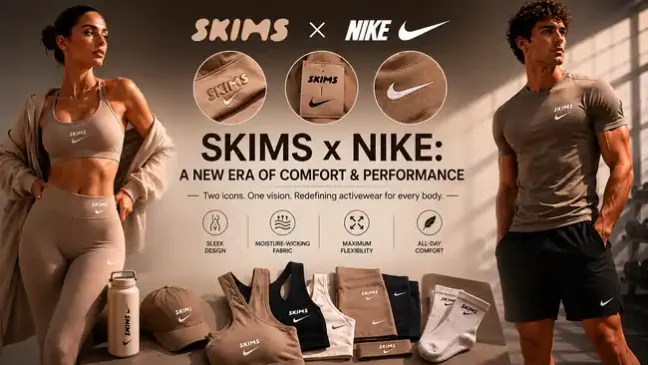
That said, newer digital first brands have started chipping away at some of those advantages. Shein has attracted serious criticism over labor practices and environmental impact, but it still became one of the most downloaded shopping apps in the world by using algorithmic trend detection and very targeted social media marketing. Skims, which Kim Kardashian founded in 2019, reached a reported valuation of over $4 billion by 2023. It got there through influencer culture and a direct relationship with consumers that most traditional brands have struggled to build in the same way.
Top Clothing Brands in the USA: Domestic Giants and Heritage Labels
Americanfashion built its global name on sportswear, denim, and casualwear. The top clothing brands in the USA cover a wide range, from large publicly traded companies managing dozens of labels to independently owned heritage brands that have shaped Americanstyle for generations.
PVH Corp, which owns Calvin Klein and Tommy Hilfiger, is one of the biggest apparel businesses in the world by revenue. Hanesbrands owns Champion, Hanes, and Wonderbra among others, and dominates the basics and underwear space at serious scale. Gap Inc. runs Old Navy, Banana Republic, Athleta, and the flagship Gap brand, covering everything from affordable everyday basics to premium activewear.
Top 10 Apparel Brands in the USA Ranked by Market Presence
Looking at consumer facing signals like search volume, retail store count, social media following, and brand recall surveys, the ten most prominent Americanapparel brands are Nike, Levi’s, Ralph Lauren, Calvin Klein, Tommy Hilfiger, Gap, Under Armour, Coach, Hanesbrands, and Michael Kors. Each one occupies its own category space, so they are not all competing directly with each other. Together they cover pretty much the full range of what Americanconsumers are buying.
Made in USA Clothing Brands Worth Knowing
More consumers have been seeking out domestically made clothing in recent years, largely because they want to know where their clothes come from and want to support local manufacturing. American Giant makes heavyweight sweatshirts and basics that are all American made, and the brand has a solid following among men who care more about durability than chasing trends. Taylor Stitch is based in San Francisco and makes shirts, trousers, and outerwear built to last, using responsible materials, with most pieces priced between $100 and $300. Ramblers Way focuses on fine merino wool basics, and Gitman Bros has been making American made dress shirts in Pennsylvania since 1978.
These brands sit in a quality first space that appeals to people specifically looking for women’s clothing made in the USA or American made clothing for men. Prices are higher than fast fashion but well below European luxury, generally falling somewhere between $80 and $400 per piece.
Rising and Upcoming Clothing Brands from the USA
A number of Americanlabels are building the kind of following that could put them in serious top 100 contention. Madhappy is a Los Angeles based brand that sits at the intersection of mental wellness and streetwear. It has developed a strong cultural following and has opened flagship stores in major US cities. Rowing Blazers has found its niche in preppy Americanheritage, but with a knowing, somewhat ironic editorial angle that sets it apart. Entireworld makes sustainably produced basics in bold colors and sells directly to consumers, cutting out the retail middleman.
What these brands have in common is that they are growing through cultural credibility rather than heavy advertising budgets. That tends to be what separates upcoming apparel brands that stick around from those that fade quickly.
Top British and European Clothing Brands Making a Global Impact
European brands show up at the top of the global fashion hierarchy with a consistency that is hard to ignore. British, French, and Italian labels make up the bulk of the world’s most valuable fashion houses, and that has been the case for a long time.
On the British side, Burberry is probably the most globally recognized, built on its trench coat heritage and iconic check pattern. Paul Smith takes British tailoring but gives it a more playful, modern feel. Barbour‘s waxed jackets started as countryside workwear and somehow became a staple in city wardrobes around the world. Ted Baker is known for its attention to detail and distinctly British sensibility. Hackett London sits in the refined menswear space and has built a following well beyond the UK. ASOS is mainly a multi brand retailer, but it has grown its own label enough to compete seriously in contemporary fast fashion.
France brings Louis Vuitton, Chanel, and Hermes at the ultra luxury level. APC and Isabel Marant represent a more understated, sophisticated side of French ready to wear. Lacoste sits in a different lane, offering accessible French lifestyle appeal with broad international reach. Italy’s presence in the top 100 runs through Gucci, Prada, Versace, Brunello Cucinelli, and Zegna, each one expressing Italian craftsmanship in its own distinct way.
What Makes British Fashion Brands Distinctly Competitive
British brands tend to lean heavily on heritage storytelling, and it works. Royal warrants, long manufacturing histories, and deep craft traditions give these labels something to talk about that newer brands simply cannot manufacture. Burberry holds royal warrants from multiple members of the British royal family and has used its Nova Check heritage in campaigns that have successfully brought the brand closer to younger, more globally diverse consumers.
The real difficulty for British brands has always been staying relevant without abandoning what made them credible in the first place. The ones that have handled it best, Burberry and Paul Smith being the clearest examples, have done it by telling craft led stories on digital platforms rather than hiding behind exclusivity.
Zegna Clothing Brand and the Rise of Italian Menswear on the Global Stage
Ermenegildo Zegna was founded in 1910 in the Piedmont region of Italy. It started as a wool mill and gradually became one of the most respected names in luxury menswear. In the early 2020s, the Zegna clothing brand went through a meaningful repositioning, dropping the full founder name and rebranding simply as Zegna to reflect a shift toward a more contemporary and narrative focused identity.
The Oasi Cashmere campaign is a good example of what that shift looks like in practice. It traces the brand’s wool sourcing directly back to its own managed landscapes in the Italian Alps, which is a genuinely transparent way of communicating quality and environmental care. Zegna is now competing directly with Brunello Cucinelli and Loro Piana for the kind of menswear buyer who cares more about where something was made and how than about visible logos. That quiet luxury positioning fits well with where a lot of the global menswear market is heading right now.
Top Luxury Clothing Brands in the World: The Premium Tier Explained
According to Bain and Company, the global personal luxury goods market was valued at around 362 billion euros in 2023, with clothing and accessories making up its largest segment. If you want to understand the top 100 apparel brands properly, it helps to understand how luxury fashion is structured internally, because it is not one flat category.
The industry defines true luxury by a fairly specific set of standards: exceptional craftsmanship, tightly controlled distribution, a strong heritage narrative, and pricing that reflects exclusivity. At the very top sit ultra luxury brands like Hermes, Chanel, and Loro Piana. Entry level pieces from these labels often start above $1,000, and some flagship products have waiting lists. Below that is the core luxury tier, which includes Gucci, Prada, Burberry, and Dior. These brands carry real heritage but operate at a broader commercial scale. Then there is accessible luxury, where Michael Kors, Coach, and Kate Spade bring the luxury conversation to a wider audience at price points generally between $200 and $800.
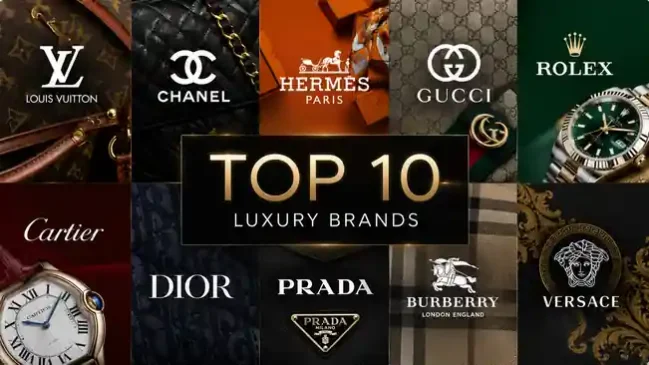
Top 10 Luxury Fashion Brands Ranked by Brand Value and Desirability
Based on Interbrand rankings and LVMH annual reports, the most valuable luxury fashion brands right now are Louis Vuitton, Chanel, Hermes, Gucci, Dior, Prada, Burberry, Saint Laurent, Bottega Veneta, and Celine. LVMH‘s portfolio, which covers Louis Vuitton, Dior, Celine, and Givenchy among others, accounts for the majority of global luxury apparel revenue. Kering, with Gucci, Saint Laurent, and Bottega Veneta at its core, is the main rival in that space.
Top Lifestyle Brands Blending Luxury with Everyday Appeal
Some of the most commercially successful names in the top 100 do not fit neatly into luxury or mass market. They sit somewhere in between. Ralph Lauren and its Polo line have built a version of aspirational Americanliving that people across different income levels genuinely connect with. Brunello Cucinelli has grown into a multibillion dollar business built around what it calls humanistic capitalism, making cashmere knitwear at high price points for consumers who want their purchases to reflect their values. Loro Piana, which is owned by LVMH, does not advertise at all. It relies entirely on product quality and word of mouth to maintain its standing, which is a fairly unusual approach at that level.
What these lifestyle brands have in common is that they are not just selling clothes. They are selling a complete sense of identity, and that is why the loyalty they generate tends to run deep.
Most Popular Clothing Brands by Category: Sportswear, Streetwear, and Fast Fashion
The most popular clothing brands in the world do not all compete in the same space. Each category has its own consumer base, its own distribution logic, and its own cultural rules. It helps to look at them separately.
Sportswear and Activewear Leaders
Nike and Adidas lead the global sportswear category across every measurable metric. Under Armour holds a meaningful share of the performance segment, especially in Americanfootball and training. Lululemon has genuinely changed what premium activewear looks like, building a loyal community around its yoga and running apparel. New Balance has pulled off one of the more impressive brand revivals in recent memory, going from a running specialist to a cultural reference point embraced by sneaker collectors and everyday consumers alike.
Allbirds started with sustainable footwear and has since expanded into a full clothing range. Its Allbirds clothes are made from natural materials including merino wool and eucalyptus fiber, which puts it in a specific niche for eco conscious activewear buyers. The prices reflect the cost of sourcing those materials responsibly.
Streetwear and Contemporary Brands Dominating Culture
Supreme, Off-White, Fear of God, Carhartt WIP, and Stone Island are the streetwear names that come up most consistently in global top 100 conversations. Supreme essentially invented the drop model as a commercial strategy, and versions of it have since been copied at every price point in fashion. Off-White, which was founded by the late Virgil Abloh, broke down the wall between streetwear and high fashion in a way that changed how luxury brands think about reaching younger consumers.
In this category, collaborations do a lot of the heavy lifting. One well placed partnership with a legacy brand or the right artist can take a streetwear label from being known in one city to being recognized globally, sometimes within a single season.
Fast Fashion and Value Brands with Mass Market Reach
Zara‘s parent company Inditex reported revenues of around 36 billion euros in its most recent fiscal year, which keeps it in the position of the world’s largest fashion retailer. H&M runs over 4,000 stores globally. Shein operates entirely online and reportedly hit a valuation of over $60 billion at its peak, built on algorithmic trend spotting and a supply chain that can turn out new styles in days rather than weeks. Primark has no e-commerce transactional platform but still pulls in huge numbers through very low prices and a dense high street presence across the UK, USA, and Europe. Mango sits in a slightly different position, offering something more curated and fashion forward than the typical fast fashion offering.
Fast fashion as a category faces growing criticism over environmental impact and labor practices. That pressure is becoming harder for the major players to ignore, and most are now under real commercial pressure to show credible action on sustainability.
Trending and Upcoming Apparel Brands to Watch
Sporty and Rich, Aime Leon Dore, Paloma Wool, and By Far are the names that keep appearing in fashion media and across social platforms right now. Aime Leon Dore was founded in Queens, New York, and has built a genuinely loyal following by drawing on 1990s New York subcultures, using high quality materials, and keeping releases limited but regular. None of these brands have earned their place in the top 100 conversation through advertising. They have done it through cultural specificity and real community loyalty, which tends to be more durable anyway.
Brands Like Aritzia and the Rise of Premium Contemporary Labels
Aritzia was founded in Vancouver and has become one of the clearest premium contemporary success stories of the last ten years. Its expansion into the US market, with flagship stores in New York, Los Angeles, and Chicago, has made it one of the most recognized Canadian fashion exports in America. It sits in the space between fast fashion and designer luxury, with most pieces priced between $80 and $400. The quality of the fabrics and the focus on elevated basics are what justify those prices for most shoppers.
Other brands operating in the same tier include COS and & Other Stories, both part of the H&M group, and the British label Reiss. French contemporary labels Sandro and Maje belong here too. In the Americanmarket, Club Monaco and Veronica Beard serve a similar kind of shopper, offering polished, workwear leaning collections at accessible luxury prices.
Leading Women’s Fashion Brands in the Contemporary Premium Space
Reformation has carved out a strong identity in contemporary women’s fashion by making sustainability central to what it does, without letting that get in the way of the clothes actually looking good. Everlane built its following around a transparency model that openly shares production costs and names its factory partners, which has resonated particularly well with millennial women who want to know what they are buying and where it came from.
Anthropologie and Free People both sit under the Urban Outfitters Inc. umbrella but speak to different customers. Anthropologie leans into a more bohemian luxury aesthetic. Free People goes further in the direction of expressive, free spirited dressing. They overlap in audience but feel quite different in practice.
All of these brands have grown largely through digital channels, building real social media communities that make them less dependent on traditional retail relationships. That approach has helped them hold consistent positions at the top of their category.
Top Online Fashion Retailers and the E-Commerce Shift in Brand Rankings
E-commerce has genuinely changed how fashion hierarchies work. A brand no longer needs a physical retail presence to build a global audience. Digital marketing alone can get you there now. At the same time, multi brand online retailers have become real gatekeepers of what feels desirable and what does not.
The dominant names in online fashion retail are ASOS, Net-a-Porter, Revolve, Shopbop, and Farfetch. Net-a-Porter and Farfetch both focus on the luxury consumer, bringing together established and emerging designer labels for shoppers around the world. Revolve has built its model around influencer culture and has become the go to discovery platform for premium contemporary brands in the US market. ASOS casts a much wider net, serving a broad demographic with a huge multi brand selection alongside its own label collections.
It is also worth being clear about the difference between a clothing brand and a fashion retailer, because the two are not the same thing. Nordstrom is a retailer that carries other brands. Ralph Lauren is a brand that also runs its own stores. Both come up in top 100 conversations, but for different reasons and with very different business models behind them.
Top Clothing Stores in America: Physical Retail Still Matters
Online shopping has grown enormously, but physical retail still plays a real role in building brand loyalty and keeping labels top of mind. Nordstrom is still the benchmark for multi brand fashion retail in the US, pairing luxury and contemporary labels with a level of service that separates it from most department store competitors. Bloomingdale’s holds its ground in the premium department store space across major Americancities. Macy’s operates at a much larger scale, serving the mass market across the country. J.Crew and Banana Republic both compete in the premium casual and workwear space, with distinct enough brand identities to support their own standalone retail operations.
A well located flagship store does something that a digital ad simply cannot. It creates a physical touchpoint with the consumer, and that kind of direct experience tends to leave a stronger impression.
How to Use the Top 100 Clothing Brands List as a Shopping Guide
Thinking about the clothing brands top 100 as a tiered system rather than a straight ranking makes it far more practical as a shopping reference. Each tier reflects a different budget, a different quality level, and a different kind of lifestyle fit.
Under $50 is where Primark, H&M, and Shein live. The main draw here is price and trend responsiveness. The $50 to $200 range is where Uniqlo, Levi’s, Gap, and New Balance sit, offering a decent balance of quality and brand recognition without stretching the budget too far. From $200 to $1,000, you are in premium contemporary and accessible luxury territory, which includes Aritzia, COS, Coach, Reiss, and Polo Ralph Lauren. Above $1,000, the conversation shifts to Gucci, Prada, Burberry, and the ultra luxury houses.
Matching Clothing Brands to Your Personal Style and Budget
A useful way to approach these tiers is to start with what you actually need. For everyday basics and wardrobe staples, Uniqlo delivers solid quality at low prices. If you want basics with a stronger design sensibility, COS does that well at mid range prices. For pieces you are buying as longer term investments, Toteme, The Row, or entry level Burberry are worth considering.
Dressing for specific occasions works differently. A work wardrobe built around Banana Republic, with a Reiss or Sandro piece added in here and there, gives you a professional look without spending too much. If you are building a capsule wardrobe of true luxury basics, something from Brunello Cucinelli or Loro Piana will hold up for decades and tend to retain resale value over time.
What Shirt Brand Names and Label Details Tell You About Quality
Reading garment labels is a genuinely useful habit to develop. Start with fabric composition. Natural fibers like cotton, wool, linen, and silk tend to indicate better quality than synthetics at the same price point. Country of origin also tells you something. An Italian made shirt from Zegna or Canali is not the same as a shirt carrying a well known brand name but made in a lower cost manufacturing location. The brand name and the actual quality do not always match up.
Some brands are more upfront about materials than others. Patagonia publishes detailed sourcing data for its fabrics. Everlane shares factory partners and breaks down material costs openly. Eileen Fisher has built its whole identity around responsible sourcing and circular fashion. These are good reference points if fabric transparency matters to you when shopping.
Frequently Asked Questions
What is the most popular clothing brand in the world right now?
By revenue and brand valuation, Nike is the most globally recognized clothing brand. It brings in over $51 billion in annual revenue and consistently sits among the top five most valuable brands across all industries in Interbrand’s annual rankings. That said, it varies by region. Zara has broader name recognition across Western Europe, and Uniqlo leads brand preference surveys across much of Asia. In luxury specifically, Louis Vuitton holds the top spot globally by brand value within its category.
What are the top 10 clothing brands in the US?
By market presence, the ten most prominent Americanapparel brands are Nike, Levi’s, Ralph Lauren, Calvin Klein, Tommy Hilfiger, Gap, Under Armour, Coach, Hanesbrands, and Michael Kors. It is worth noting that PVH Corp owns both Calvin Klein and Tommy Hilfiger, and Hanesbrands owns Champion and Hanes among others. Both are major conglomerate level players with brand portfolios that go well beyond just those flagship names.
What are the best luxury clothing brands in the world?
Luxury fashion is not one uniform category. Heritage ultra luxury brands like Chanel, Hermes, and Loro Piana are built on exclusivity, craftsmanship, and long brand histories. Contemporary luxury names like Bottega Veneta and Loewe have climbed sharply in global desirability over the past five years, largely because their creative direction connects well with younger high net worth consumers. According to Interbrand’s most recent rankings, Louis Vuitton, Chanel, and Hermes are the top three luxury fashion brands in the world by brand value.
Are there any good clothing brands that are made in the USA?
Yes, several established domestic manufacturers make genuinely high quality American made apparel. American Giant is probably the most well known, producing hoodies and basics for men and women at price points between $60 and $150. Ramblers Way makes fine merino wool basics in the USA, sitting at accessible luxury price points. Taylor Stitch focuses mainly on men, producing shirts, jackets, and trousers built for longevity using responsible materials, with most pieces priced between $100 and $300.
What clothing brands are trending right now?
Looking at current runway coverage, editorial placement, and social media growth, Aime Leon Dore, Sporty and Rich, Paloma Wool, and By Far are among the most consistently talked about trending apparel brands at the moment. Aime Leon Dore has moved beyond its streetwear roots into mainstream fashion media, with collaborations with New Balance and Woolrich reflecting how far its commercial and cultural reach has grown.
Summary
The clothing brands top 100 is not a fixed list. It shifts constantly, shaped by revenue, cultural influence, regional dominance, and changing consumer values. This guide has covered five distinct tiers: ultra luxury and core luxury, premium contemporary, sportswear and activewear, fast fashion and value, and the emerging brands that are starting to push their way into the conversation. Knowing how each tier works, and what actually determines where a brand sits within it, gives you a much more useful frame of reference than any single numbered ranking ever could.
Where a brand comes from matters more than people often realize. Americanbrands lead globally in sportswear and casualwear, with Nike, Levi’s, and Ralph Lauren carrying as much cultural weight internationally as they do commercial weight. European brands, especially from France and Italy, own the luxury tier through heritage and craftsmanship stories that are genuinely difficult to replicate. British labels hold solid ground in tailoring, lifestyle, and premium casualwear. And digital first brands from Asia and the USA are climbing fast, using algorithmic tools and community driven marketing to challenge established names across every tier.
At the end of the day, brand rankings are a starting point, not a rulebook. Whether you are trying to build a wardrobe with lasting value, find an emerging label that actually reflects what you care about, or just figure out why one brand costs ten times more than another, having a clear sense of the top 100 landscape helps you make better decisions. The most useful thing you can do with this kind of information is keep coming back to it, because the industry keeps moving, new names keep rising, and even the biggest legacy brands keep adapting.