

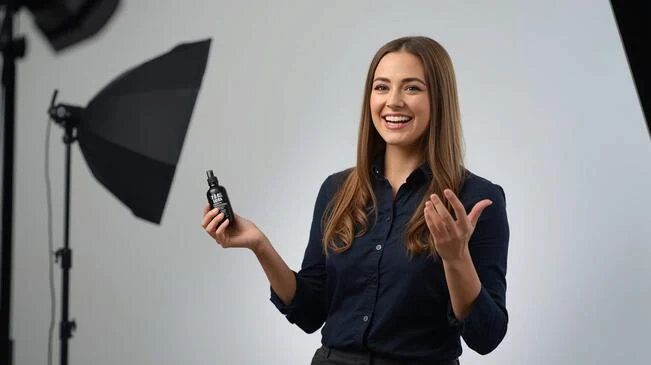
The answer to what does a brand ambassador do is a role built on promoting and representing a brand through direct engagement with customers, online and in person.
Key Takeaways
- A brand ambassador’s job covers both social media and real world interactions, which makes it a wider role than most people expect when they first hear the title.
- Reach matters, but it’s not everything. What actually sets strong ambassadors apart is the ability to earn genuine trust from customers rather than just grab their attention.
- Businesses that build a proper ambassador program tend to get the kind of word of mouth marketing that no paid ad campaign can really replicate.
- Ambassadors are expected to know the brand well enough to answer real questions and handle pushback on their own, without needing someone to hand them a script.
People trust people. That is the uncomfortable truth that every marketing team eventually runs into, no matter how polished the campaign or how large the budget. 76% of individuals surveyed say that they’re more likely to trust content shared by ‘normal’ people than content shared by brands. That gap in credibility is exactly where the brand ambassador steps in, and it explains why understanding what does a brand ambassador do has become a genuinely useful question for both businesses and individuals.
Ambassadors give a company something that a display ad or sponsored post cannot: a real voice attached to a real relationship. Word of mouth has always driven purchasing decisions, and ambassadors are its modern, structured form. They extend a brand’s presence across social media and real world settings through the kind of trust that customers extend to peers, not corporations.
The role has grown considerably in scope, and the range of people doing it well has widened just as much. Some ambassadors represent a brand at live events and product launches. Others build their presence entirely through social media, showing up in the spaces where their audience already spends time. What connects all of them is a clear understanding of the brand they represent, the customers they’re speaking to, and the responsibilities that come with the role, all of which this resource covers in full.
Brand Ambassador Definition

A brand ambassador is someone a company brings on to represent and promote a particular brand, living out its brand’s values in every public facing interaction. The role is not decorative. Ambassadors carry the brand’s voice into conversations, communities, and channels that regular marketing rarely reaches with any real credibility.

There is a common misconception that these roles are only for celebrities or people with huge followings. Historically, brand ambassadors were often celebrities, but now, anyone with a substantial online presence can become a brand ambassador, reflecting a democratization of influence in marketing. What a company actually needs is someone who can present the brand positively and protect the company’s image consistently, regardless of how many followers they have.
Ambassadors are expected to understand company culture well enough to talk about the brand without being handed a script. They promote products and communicate the brand’s values in ways that reflect well on the business, whether that is in front of customers at an event or through content reaching thousands of people online. Done right, the brand stays in a positive light because the person representing it actually believes in what they are saying.
What Does a Brand Ambassador Do?
To answer what does a brand ambassador do plainly: the brand ambassador’s job is to promote a brand, engage its audience, and represent it credibly across multiple channels. That scope covers both digital activity and real world presence. Ambassadors are not a single channel marketing asset, they operate wherever the brand’s customers actually are.

Brand ambassadors are responsible for creating and publishing promotional content on social media to reach potential customers and enhance brand visibility. This kind of engaging content does more than increase brand awareness; it builds the familiarity that turns new audiences into returning customers. The brand ambassador’s job, at its core, is to make the brand feel accessible and worth paying attention to.
They often provide feedback and collect customer opinions about products, acting as a bridge between the brand and its audience. That feedback loop is part of what makes ambassadors genuinely useful to a business beyond their marketing output. Promote the brand they will, but the best ones also bring the brand closer to the people it serves.
Core Brand Ambassador Duties Explained
Content is where most brand ambassador duties begin. Ambassadors post on social media regularly, whether that is videos, stories, or general updates that keep the brand in front of the right people. It is steady, ongoing work rather than a one time thing.
The brand ambassador’s job also means showing up offline. Ambassadors represent the company at events, product activations, and community gatherings, where talking to customers face to face builds a different kind of trust than any post can.
Sales support is part of the role too. Ambassadors promote products through referral codes, live demos, and direct conversations that help drive sales in a more personal way than most marketing formats allow. The brand benefits because ambassadors put a real human presence behind it at every touchpoint.
Brand Ambassador Job Description
A formal brand ambassador job description typically covers three things: content output, product knowledge, and customer facing representation. Ambassadors are not hired to wing it. The company expects them to understand and accurately represent the brand across every interaction.

A key responsibility of brand ambassadors is to learn and become experts on the products or services they represent, enabling them to promote effectively and provide valuable feedback. That expertise feeds directly into content creation, ambassadors use promotional materials and produce authentic content and branded content that reflects the brand’s products honestly and compellingly. Shallow familiarity shows immediately; brand ambassadors who know the product deeply are the ones customers actually trust.
The job description also includes gathering customer feedback and reporting it back to the company. Ambassadors provide feedback on how customers respond to campaigns, products, and messaging, giving the brand a ground level perspective that formal research rarely captures. That makes the brand ambassador’s job as much about listening as it is about promoting.
Brand Events and In Person Representation
The ambassador role does not stop at a screen. Brand ambassadors are expected to attend product launches and other brand events, representing the company and engaging with customers in person. That physical presence is a distinct part of what separates a brand ambassador from a standard content creator.
Event marketing gives ambassadors something no feed post can replicate: a direct, unfiltered conversation with real customers. Product launches, trade activations, and community events all function as one to one channels where ambassadors represent the brand in real time, answer questions honestly, and promote it through the most credible format available. A customer who meets an ambassador face to face and walks away impressed carries that impression far longer than a sponsored post.
Brand Ambassador Program
A brand ambassador program is a deliberate business strategy, not a loose collection of social media shoutouts. Companies build these programs because organic advocacy, structured and scaled, consistently outperforms paid messaging with the audiences that matter most. Word of mouth marketing remains the most trusted form of promotion, resonating more with audiences than direct promotional messages from brands.
Many brands utilize brand ambassadors sourced directly from their own loyal customers or own employees, because those people already believe in what they promote brands for. That authenticity is the foundation of successful brand ambassador programs, it cannot be manufactured, only cultivated. Effective brand ambassadors build genuine relationships with relevant audiences because they are part of those communities, not parachuted into them.
Companies hire ambassadors to serve specific business objectives. Most companies structure their ambassador program around measurable goals: increase brand awareness in new markets, drive sales through referral activity, or reach new customers that paid media consistently misses. The ambassador program, designed well, accomplishes all three without the credibility cost that comes with traditional advertising.
Successful brand ambassador programs also generate compounding returns. Ambassadors who utilize brand content across social media and in person settings increase revenue over time by keeping the brand present and trusted. The business gains not just reach, but the kind of word of mouth that marketing budgets alone cannot buy.
Real Brands, Real Ambassadors: How They Changed the Game
Reading about what brand ambassadors do is one thing. Seeing what actually happened when the right person represented the right brand makes the point far more clearly. These are three real examples, with real numbers.
1. Nike × Michael Jordan: The Ambassador That Built a $7 Billion Brand
The Setup: In 1984, Nike was primarily a running shoe company. Basketball was dominated by Adidas and Converse. Nike signed a rookie NBA player named Michael Jordan on a 5-year, $500,000 deal. At the time, Nike projected the Air Jordan shoe line would earn roughly $3 million over four years.
What Actually Happened: The Air Jordan line earned $126 million in its first year alone, far exceeding Nike’s $3 million projection. His ambassadorship led to the creation of the Jordan Brand and the Air Jordan line, which now generates $1 billion in sales every quarter. Jordan Brand revenue reached $7.3 billion in Nike’s fiscal year 2025, making it one of the most powerful athlete-linked businesses ever built.
Why It Worked: Jordan wasn’t just a face on a shoe. The deal included a royalty structure based on Air Jordan sales, aligning Jordan’s financial incentives directly with the product line’s success. This meant both Nike and Jordan had a vested interest in the partnership’s long-term growth. Through Jordan, Nike was able to tap into different market segments such as sport, fashion, and hip hop. His influence gave Nike a cult status in the 90s that still exists today.
Jordan retired from basketball over 20 years ago. The brand still generates billions. That is what a real ambassador does.
2. Gymshark × Fitness YouTubers: A Garage to £600M Through Ambassadors
The Setup: Gymshark was founded in 2012 by 19-year-old Ben Francis and a group of his high-school friends, starting as a screen printing and sewing operation in a garage. They had no budget for traditional advertising. So Ben did something different, he sent free products to fitness YouTubers and bodybuilders who had loyal, engaged audiences.
What Actually Happened: In 2015, Gymshark hit £6.7 million in revenue, growing 200% year-over-year through YouTube creator partnerships and direct-to-consumer sales, with no retail distribution or paid advertising. Revenue hit £607.3 million for FY2024, with repeat purchase rates among community members rising 30% and community engagement rates doubling over two years.
Why It Worked: Gymshark did not treat ambassadors like ad placements. Top creators received signature collections with creative input and revenue share. That ownership stake transformed influencers into genuine brand ambassadors who integrated the brand naturally because they actually trained in the products. Gymshark takes it a step further by turning every influencer they work with into a brand ambassador, each signs a long-term deal pledging to promote their clothing exclusively. This gives fans confidence that the person they follow truly cares about the company.
The key difference: Gymshark picked engagement over follower count, and loyalty over one-off deals. That is why it compounded.
3. Nespresso × George Clooney: 20 Years, 35% Sales Growth, $8.1 Billion
The Setup: Nespresso signed George Clooney as their European brand ambassador in 2004. At the time, the coffee pod market was a niche product competing against established home coffee habits. Nespresso needed to reposition itself as a premium, aspirational lifestyle brand, not just a kitchen appliance.
What Actually Happened: A 2015 headline made the connection clear: “Clooney’s Nespresso steams ahead with 35.5% sales growth in UK.” That year the company brought in estimated revenue of $4.5 billion; by 2021 that had grown to $6.7 billion. Nespresso generated $8.1 billion in revenue in 2025.
Why It Worked: The partnership pioneered celebrity co-ownership, Clooney joined as a part-owner in 2013 and served on the sustainability advisory board. He didn’t just promote the product; he invested in its future and became genuinely synonymous with premium at-home coffee culture. Nespresso and Clooney’s relationship spans over 20 years, making it one of the most closely and effectively linked celebrity-brand partnerships of the last two decades.
The “What Else?” tagline became a cultural phrase. That kind of brand recognition cannot be bought with a single campaign. It is built over years, through consistency.
What These Three Examples Have in Common
These are very different brands, sportswear, fitness apparel, coffee. But the pattern is the same:
- Long-term commitment over one-off deals
- Genuine alignment between the ambassador and the brand’s actual values
- Financial incentives that gave ambassadors real skin in the game
- Trust first, all three brands built credibility before chasing scale
The ambassador did not just promote the brand. In each case, the ambassador became part of the brand’s identity. That is the standard worth aiming for.
Brand Ambassadorships: Types and Formats
Brand ambassadorships do not all look the same. The format a company picks depends on the industry, the audience it needs to reach, and what the brand is actually trying to get done. A consumer goods business and a B2B software company will set up their brand ambassador relationships in very different ways.
The role of brand ambassadors has evolved significantly with the rise of social media, shifting from primarily celebrity endorsements to include everyday individuals with strong online followings. A celebrity brand ambassador still makes sense in some industries, but most brand ambassadors today are not famous. They are regular people who have built active social media accounts and a personal brand that a specific group of people genuinely trusts.
Many brand ambassadors represent a business across several social media platforms, reaching corners of an audience that other ambassadors and broad marketing efforts just cannot get to. A brand trying to promote something to a niche target audience will usually get more out of a well matched brand ambassador than a celebrity brand ambassador with a massive but unfocused following. Engagement is what brands pay attention to most; showing that your audience isn’t just watching but interacting is crucial for brand ambassadors. Genuine connections, not follower counts, are what actually make a brand ambassador worth it for the company.
Becoming a Brand Ambassador
Getting into this field is more accessible than most people think. A high school diploma is typically the minimum educational requirement for becoming a brand ambassador, although some companies prefer candidates with a degree in marketing, communications, or public relations. In practice, though, most companies are more interested in whether you fit their audience than what your resume says.
Brands tend to look broadly when recruiting candidates. College students make up a solid portion of ambassador rosters because they can reach other students as new audiences that brands have a hard time getting to through normal channels. Ambassadors also gain access to exclusive access arrangements, things like early product releases, private brand communities, and direct lines to company teams.
The growth of social media has led to a 10% projected increase in jobs for brand ambassadors and related roles through 2031, indicating a strong demand for these positions in the marketing landscape. For anyone seriously considering becoming a brand ambassador, the timing is genuinely good.
Communication Skills and Digital Presence
What separates great ambassadors from those who do not last is rarely about how many followers they have. Excellent communication and interpersonal skills are essential for brand ambassadors, as they need to effectively engage with customers and promote the brand both online and offline. Being able to genuinely connect with people, rather than just post at them, is what actually makes a brand ambassador worth something to a business.
Brand ambassadors should have a strong online presence and be familiar with social media platforms, as they often use these channels to connect with their audience and promote the brand. Successful ambassadors treat their social media accounts seriously, staying consistent across every social channel and building a personal brand that makes sense for the audiences they are trying to reach. How well that personal brand lines up with the brand they represent is what determines their real marketing value.
Becoming a brand ambassador also comes with some practical perks. A lot of ambassadors get free samples and special discounts as part of the arrangement, plus performance pay in roles built to drive sales. Compensation for brand ambassadors often includes a mix of salary, hourly pay ranging from $10 to $16, and commission based on performance, particularly in roles that involve sales responsibilities.
FAQs
Q: What makes an effective brand ambassador?
A: The best ambassadors are not just people with big followings. They communicate well, they genuinely fit the brand they represent, and they show up consistently on social media rather than going quiet for weeks at a time. Customers respond to them because the connection feels real, not like a paid arrangement.
Q: How does a brand ambassador program typically work?
A: A company sets up its ambassador program around specific marketing goals, things like growing reach, backing a product launch, or building community. From there, ambassadors get recruited, briefed on the brand, and given what they need to start creating content and talking to customers. Results get tracked through engagement, referrals, and how much overall brand awareness has moved.
Q: What do brand ambassadors earn?
A: The average national salary for a Brand Ambassador is approximately $44,100, but this can vary significantly based on factors such as industry and geographical location. Brand ambassadors can earn between $20,000 to $58,000 annually, with most salaries falling in the $40,000 to $50,000 range, depending on their experience and the nature of their work. The type of business and how the program is structured both play a role in where someone ends up in that range.
Q: Do brand ambassadorships require previous experience?
A: Most brand ambassadorships do not. Companies tend to care more about whether you connect with the right audience than whether you have a marketing background. That is a big part of what makes becoming a brand ambassador a realistic option for a lot of people.
Q: How do companies find and contact brand ambassador candidates?
A: Brands usually find candidates through social media, their existing customer base, or open applications on their website. Most applications ask for basic contact info along with a short overview of who your audience is. How formal the ambassador program recruitment process gets depends a lot on the size of the company.
Q: How do brand ambassadors help a business drive sales and reach customers?
A: Ambassadors work through trust, not pressure. Their recommendations carry real social proof because people actually listen to them, and their direct promotion reaches customers in spaces where a standard brand ad would just get scrolled past.
Summary
Understanding what does a brand ambassador do reveals a role that is far more layered than most job titles suggest. Ambassadors are expected to promote authentically, engage customers directly, and represent a company’s values consistently, whether they are posting on social media or standing at a product event. That combination of visibility and credibility is what makes the role genuinely valuable to any brand serious about building trust with its audience.
For anyone considering the role personally, the clearest path forward runs through communication ability and honest alignment with the brand you represent. Ambassadors who connect with their audience on real terms outperform those who simply chase reach. For companies, the strategic case is equally clear: a well structured network of credible ambassadors delivers marketing results that paid media alone rarely replicates.
The ambassador’s place in business is not a trend. Customers have always responded more readily to people than to promotional messaging, and that fact has not changed. A company that invests in the right ambassadors builds something more durable than campaign performance, it builds a layer of human trust that holds long after any single piece of content has disappeared.