Best DTC Brands: This blog explores how leading 2026 DTC brands achieve market success through specialized quality, radical transparency, and seamless omnichannel shopping experiences.
Best DTC Brands Key Takeaways
- Modern DTC leaders prioritize sustainable growth by building long term customer loyalty over aggressive ad spending.
- Successful brands differentiate themselves through material integrity, product specialization, and honest, transparent supply chains.
- Consumers increasingly discover products through AI assistants and social platforms rather than traditional brand websites.
- Companies now combine physical showrooms with digital apps to provide a connected, convenient shopping journey.
Direct to Consumer (DTC) brands started out as small digital startups, but they’ve since grown into household names. Most of us first saw them as niche online shops on social media. Now, they offer a level of convenience and direct contact that traditional big box stores struggle to match. They’ve changed how people shop by cutting out the middleman and shipping straight to the front door.
By 2026, these brands have become even more relevant. Shoppers today care about transparency and specialized quality rather than just buying whatever is on a generic shelf. These companies have moved far beyond being online only businesses. Many now lead the market with a mix of physical showrooms and fast digital apps, making them true omnichannel leaders in the modern retail space.
In this guide, we look at the current leaders across fashion, wellness, and home goods. You will learn about the brands that have earned a solid reputation for quality in 2026. We also cover the specific standards that help a brand build real trust with its customers in today’s crowded market.
Market Overview and Category Context
The DTC industry in 2026 looks a lot different than it did a few years ago. Most brands have moved away from being online only shops. Instead, they use a mix of physical stores, mobile apps, and retail partnerships. This omnichannel approach means you might see a product on social media, try it on at a local showroom, and then have it shipped to your house later. It’s all connected now.

Companies have also changed how they grow. In the past, they spent massive amounts of money on ads just to get new people to click. Now, the focus is on long term loyalty. Brands would rather keep the customers they already have by offering better support and more consistent products. It’s more about sustainable growth than just getting as many new clicks as possible.
Discovery has changed quite a bit, too. Most people don’t start their shopping by visiting a brand’s actual website anymore. Instead, they find what they need through AI assistants or social platforms. This distributed commerce means you can find and buy things right where you are already spending time online. Even if the sale happens on a different platform, the brand still keeps that direct connection with the person buying the product.
What Defines a Good Brand in This Space
The direct to consumer market is pretty crowded these days, but the brands that actually stick around usually follow a similar set of rules. It isn’t just about having a nice website anymore. By 2026, people have learned to look for specific signs that a brand is legitimate and produces quality goods.
A few things really set the better companies apart:
- Material Integrity: They use things like recycled fabrics, non toxic components, and ethically sourced raw materials.
- Product Specialization: They usually master one specific item before trying to sell everything else.
- Radical Transparency: They are honest about where their factories are and how they impact the environment.
- Community Engagement: They actually listen to customer feedback to fix flaws or design new products.
- Technological Innovation: They use tech for useful things, like AI that helps with sizing or fabrics that help with posture.
Shoppers use these points to figure out if a brand is worth the money. It’s become normal to see a company explain their supply chain or show exactly what goes into their pricing. When a brand is open about these details, the product usually ends up matching what was promised online.
Focusing on one thing at a time also helps with quality. Instead of trying to be a massive department store, the best brands usually start with one great product, like a single type of sneaker or one specific supplement. They stay small until they get it right. Later, they use data from their own customers to make sure the next thing they launch is actually something people want.
Leading Brands to Know
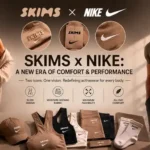
Skims
Skims has moved way beyond just being a celebrity project. It’s now a serious player in the clothing world. They’re mainly known for shapewear and loungewear made from technical fabrics that stretch well but don’t lose their shape. By 2026, they’ve opened several big flagship stores, so it’s a lot easier to find their inclusive sizes and skin tone ranges in person. People usually buy from them because the fabrics are genuinely comfortable for everyday wear.
Vuori Clothing
Vuori is based in California and has a very specific West Coast look. They make workout gear that looks like regular casual clothes. Their fabrics handle sweat and odors well, but the designs are simple enough to wear for a coffee run or a flight. Most of their customers are looking for versatile pieces, like their joggers, that work for both a gym session and a normal day out.
Allbirds
Allbirds started the trend of using natural materials like wool and eucalyptus instead of plastic for shoes. By 2026, they’ve started using plant leather made from farm scraps. They have a reputation for making some of the most comfortable walking shoes you can find. People who care about the environment tend to like them because the shoes are minimalist, machine washable, and have a much lower carbon footprint.
Everlane
Everlane is famous for its Radical Transparency policy. They actually show you a cost breakdown for labor and materials on every item they sell. They focus on modern basics things like simple cotton tees and recycled sweaters that aren’t supposed to go out of style. In 2026, they’ve become the go to for buyers who want clothes that last a long time and come from ethical factories.
Bloom Nutrition
Bloom has grown incredibly fast, mostly because of social media. They are best known for their Super Greens powders that help with digestion. The brand is a hit with Gen Z and Millennials because they made wellness supplements that actually taste like normal drinks, with flavors like mango or strawberry. It makes a healthy routine feel a lot less like a chore.
Oura
Oura makes the Oura Ring, which is a piece of wearable health tech. It’s a titanium ring that tracks your sleep and heart rate much more accurately than a bulky watch. By 2026, they are the top choice for people who want deep data on their body’s recovery. It’s popular because it looks like a regular piece of jewelry but gives you a Readiness Score every morning.
Warby Parker
Warby Parker changed how people buy glasses by making the pricing simple and direct. They started online with a Home Try On kit, but now they have hundreds of physical stores where you can get an eye exam. They’re a solid choice if you want stylish, durable frames without paying the massive markups found at traditional eye doctors.
Quince
Quince uses a factory to consumer model. They ship things directly from the source to cut out the middlemen. This allows them to sell high end materials like Mongolian cashmere, silk, and Italian leather for much less than a typical luxury brand. They’ve recently started shipping internationally, reaching a lot of people who want quality goods without the designer price tag.
Tecovas
Tecovas makes western boots and leather bags by hand. They use old school methods like lemonwood pegging, which usually costs a fortune, but they keep the price down by selling directly. Their boots appeal to everyone from actual ranchers to people living in the city who just want a classic, rugged look. Their stores are unique too, you can often get a boot shine while you look around.
Magic Spoon
Magic Spoon essentially rebuilt childhood cereal for adults. Their cereal is high protein and has no sugar, but it’s designed to taste like the stuff you ate as a kid. By 2026, they’ve added things like protein treats to their lineup. They mostly target people who want to eat healthy but still have a craving for nostalgic, sweet flavors.
Hello Molly
Hello Molly is a big name for occasion wear. If someone needs a dress for a wedding, a party, or a formal event, this is usually where they look. They are very fast at turning new designs into finished products, so they always have the latest seasonal styles. They’ve built a global following of young women who want feminine, trendy outfits that look expensive but stay accessible.
e.l.f. Beauty
e.l.f. stands for Eyes, Lips, Face. They are leaders in affordable luxury makeup. They are incredibly fast at making high quality versions of products that go viral on social media. By 2026, they’ve also moved into sustainable packaging and removed microplastics from their formulas. Both pro makeup artists and students use them because the products perform just as well as the expensive brands.
Lovevery
Lovevery makes subscription kits for kids that are based on science. Each kit is designed by experts to match exactly what a child is learning at their specific age. They use safe, sustainable materials like organic cotton and real wood. Parents like them because it takes the guesswork out of buying toys, you know the items are helping your child develop the right skills at the right time.
Product Types These Brands Are Known For
Apparel and Performance Wear
DTC clothing has really leaned into the work from anywhere lifestyle. Most of these brands now use high stretch, moisture wicking fabrics to make clothes that look professional but feel like workout gear. The idea is to have one outfit that works for a morning gym session and a business meeting without needing to change.
In 2026, we’re also seeing more smart clothing. This isn’t just about gadgets; it’s about fabrics with built in tech. Some brands are knitting sensors right into the fibers to help with things like tracking your heart rate or even gently correcting your posture while you sit at a desk.
Wellness and Personal Care
The wellness world has shifted toward what people call functional beauty. It’s less about hiding flaws and more about supporting your health from the inside out. This includes things like skincare that protects your skin’s natural barrier and supplements with clean, traceable ingredients.
- Nutricosmetics: Edible beauty like collagen gummies or greens powders for better skin and hair.
- Inclusive Beauty: Makeup and skincare designed for a much wider range of skin tones and textures than before.
- Metabolic Skincare: Creams and serums that use ingredients like niacinamide to help skin cells repair themselves.
Hard Goods and Home Essentials
For the home, the trend is moving away from disposable furniture that you throw out after a year. Instead, DTC brands are focusing on modular pieces. These are items you can take apart, move easily, or even expand if you move into a bigger place.
Sustainability is a big part of this too. You’ll see more bedding made from organic cotton or eucalyptus fibers, and smart home tools like automated lighting that you control through an app. The goal now is longevity, making things that are easy to repair or recycle instead of just replacing them.
Brand Positioning and Value Proposition
By 2026, the best DTC brands have stopped trying to be everything to everyone. Instead of acting like a giant department store, they stick to what they know best. You’ll see a brand that only does sustainable knitwear or another that just makes high tech sleep rings. This specialized expertise makes people trust them more. It feels like you’re buying from an expert who actually understands the product, not just a middleman moving boxes.
Pricing for these brands usually lands in a middle ground often called attainable luxury. They aren’t the cheapest options out there, but they aren’t as expensive as the famous designer labels. The idea is that you’re paying for the quality of the materials and fair wages rather than a massive retail markup. Because they sell directly to you, they can offer things like Italian leather or premium cashmere without the traditional boutique price tag.
Most of these brands also focus heavily on performance and utility. They don’t just talk about looking good; they talk about how a product solves a specific problem. A bedding brand might focus on how their foam keeps you cool so you don’t wake up sweating. A clothing brand might highlight fabrics that don’t wrinkle even after being stuffed in a suitcase. This focus on solving daily issues is really what keeps people coming back.
Customer Trust and Market Reputation
Trust in the DTC world isn’t about big budget commercials or celebrity faces anymore. By 2026, buyers have learned to look for transparency signals to see if a brand is actually legitimate. The best companies are open about how they work; they’ll often share a true cost breakdown or show photos of the factories where their goods are made. This helps people see exactly where their money is going, from the raw materials to the shipping costs.
Validation now comes from other customers rather than the brand itself. Most successful brands rely on user generated content, like unpolished videos and honest community reviews, instead of staged advertisements. Seeing a real person use a product in their own home is the new standard. It provides a level of proof that a corporate endorsement just can’t match.
Post purchase support has also become a huge deal for building a solid reputation. To take the risk out of buying online, top brands offer generous trial periods. It’s common to see 100 night no questions asked trials for mattresses or 60 day wear tests for sneakers. These programs, along with strong warranties, show that a brand is confident that their product is built to last.
Finally, these brands tend to keep their product lines very small. Unlike a massive retailer that sells thousands of different items, a leading DTC brand usually focuses on just a few things. This narrow focus makes it much easier to keep quality high and consistent. When a company isn’t trying to do everything at once, the item that arrives at your door is much more likely to match what you saw on your screen.
Strength Areas Across Top Brands
The top DTC brands in 2026 haven’t just gotten better at marketing; they’ve actually fixed the behind the scenes parts of their businesses. Their real strength usually comes from how they handle things like where they get their fabrics or how they use their apps to make shopping less of a headache.
- Sourcing: They work directly with ethical factories and material suppliers instead of buying from random wholesalers.
- Design Innovation: They use feedback from real customers to quickly fix or improve products.
- User Experience: Their apps and websites are easy to navigate and usually remember what you actually like.
- Sustainability: Many now have their own resale sections where you can buy or sell used items from the brand.
Working directly with farms and mills has become a huge deal by 2026. Because these companies don’t just buy generic materials, they can avoid the quality issues that often hit bigger stores. If you buy a cotton shirt from a top DTC brand, they likely know exactly which farm that cotton came from.
They also move a lot faster when it comes to design. Instead of waiting an entire year to launch a new version of something, they look at reviews every month. If everyone says a certain pair of pants is too tight in the waist, they can tweak the next batch almost immediately. It’s a constant loop of listening and fixing.
Sustainability isn’t just a label anymore either. Most reputable brands now have circular programs. This means if you’re done with a jacket, you can often sell it back through their own site. This keeps the gear out of landfills and helps the products last way longer than cheap, fast fashion alternatives.
Limitations or Real World Constraints
The direct to consumer way of doing things isn’t perfect, and there are some real world trade offs. One of the biggest headaches in 2026 is still shipping products internationally. Most of these brands don’t have massive warehouses in every corner of the world. Because of that, getting a package across borders can take a while and cost quite a bit. It’s a lot for a smaller company to handle when you factor in different customs rules and local delivery services.
Production speed is another thing to consider. Since these brands usually use high quality materials and work with ethical factories, they can’t just churn out products overnight. They don’t cut corners like fast fashion companies do. If a specific recycled fabric runs out or a small workshop gets backed up, you might be looking at a long wait for a restock. It’s just the reality of making things the right way.
Growing big also creates some awkwardness. A lot of people like these brands because they feel small and personal. It’s hard to keep that small brand vibe when you start opening stores in every major city. Managing huge amounts of inventory and a massive staff is a different ballgame. Trying to stay connected to their original community while scaling up is a balance that many of these companies are still trying to figure out.
Which Type of Buyer Each Brand Fits
Most people don’t just shop at any store anymore; they look for a brand that fits how they actually live. By 2026, the big DTC names have figured out exactly who they are talking to. It’s less about selling a generic product and more about meeting a specific need.
- The Conscious Consumer: People who shop at Everlane or Allbirds. They care most about fair wages and stuff made from plants or recycled materials.
- The Performance Seeker: Buyers of Vuori and Oura. They want gear that actually does something, like tracking their heart rate or handling a heavy workout.
- The Style Enthusiast: Fans of Skims or Hello Molly. They’re looking for what’s trending right now and need sizes that actually fit different body types.
- The Quality Value Hunter: People who go to Quince or Warby Parker. They want the high end materials, like silk or Italian leather, but don’t want to pay the designer tax.
- The Busy Parent: Lovevery customers. They want someone else to do the research so they can just get safe, educational toys that show up at their door.
If you’re the type of person who checks the tag for organic cotton or recycled polyester, you’re likely looking at brands like Allbirds or Everlane. These shoppers want to know the backstory of their clothes and feel good about where their money is going.
On the other hand, if you’re obsessed with stats and fitness, you’re probably wearing an Oura ring to track your sleep and Vuori joggers for your morning run. These buyers aren’t looking for a vibe, they want technical specs and products that can keep up with an active schedule.
Parents are also moving toward these curated models. Instead of wandering through a toy aisle trying to figure out what’s safe or age appropriate, they use something like Lovevery. It’s for people who want expert backed toys that help their kids learn, but they don’t have the time to spend hours reading developmental blogs to find them.
Summary
By 2026, direct to consumer brands aren’t just an online trend anymore. They’ve become a huge part of how people shop every day. What started with a few companies selling mattresses or socks has turned into a massive market where specialized quality is the norm. These brands have shown that they don’t need a middleman or a big department store to prove they make good stuff.
The way these companies work has changed the whole retail industry. Even the huge legacy brands that have been around for a century are now trying to copy the DTC way. You can see this everywhere, old school stores are suddenly being more open about their factories and trying to make their websites easier to use. The focus on being honest with customers has set a new standard that everyone else has to follow now.
The brands that are actually winning right now are the ones that treat people like part of a community. Whether they’re making high tech gear or just being clear about where they get their leather, they’ve set a higher bar for what a company should look like. The line between shopping online and in a physical store will keep blurring, but the focus on directness and quality is here to stay.