
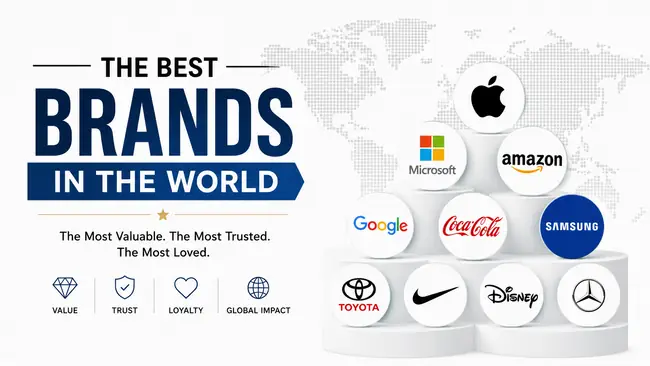
An in depth look at 26 Best Brands in the World shaping consumer trends across major industries in 2026.
Key Takeaways
- Best Brands in the World like Apple, Nike, and Louis Vuitton define global consumer culture.
- Technology giants including Google, Amazon, and NVIDIA are reshaping how people live digitally.
- Fashion leaders Nike, Zara, and Gucci balance sustainability, innovation, and cultural influence.
- Automotive and entertainment brands like Tesla, Netflix, and Disney lead cultural transformation globally.
In today’s hyper connected marketplace, brands are more than just logos or products, they are cultural forces shaping how we live, work, and consume. From luxury fashion houses to technology giants, the best brands in the world influence everything from our style choices to the way we interact with digital platforms. For audiences in the USA, UK, Canada, and Australia, these brands are not only household names but also aspirational icons that define modern lifestyles.
Consumer trends in 2026 are being driven by innovation, sustainability, and digital transformation. Whether it’s famous brand names like Apple and Louis Vuitton or global fashion brands such as Zara and Nike, these companies are setting the tone for what’s next. This blog explores 30 of the most influential brands across industries, highlighting how they shape consumer behavior, redefine value, and maintain relevance in a competitive global market.
Technology Giants Driving Global Consumer Trends:
Technology brands dominate the global landscape, not only because of their products but because of the ecosystems they create. These companies have become integral to everyday life, influencing how consumers shop, communicate, and entertain themselves.
Apple:
Apple remains at the top of the list of the best brands in the world. With its premium pricing strategy and seamless ecosystem, from iPhones to Apple Watch and AirPods, Apple has cultivated unmatched consumer loyalty. Its focus on AI powered services and sustainability initiatives ensures it stays ahead of competitors.

Microsoft:
Microsoft continues to lead in enterprise solutions and cloud computing. With products like Office 365 and Azure, Microsoft has embedded itself into both professional and personal lives. Its push toward sustainability and workplace integration makes it a trusted global brand.
Google:
Google (Alphabet) is indispensable in the digital age. From search engines to advertising platforms and AI innovations, Google shapes how consumers access information. Its dominance in digital advertising and expansion into AI driven tools keeps it relevant across industries.
Amazon:
Amazon has transformed from an online bookstore into a global e-commerce and cloud powerhouse. With Prime memberships, streaming services, and AWS, Amazon influences consumer shopping habits and entertainment choices worldwide.

Samsung:
Samsung balances affordability with innovation, offering smartphones, appliances, and electronics that appeal to diverse markets. Its ability to compete with Apple while maintaining accessibility makes it one of the famous brand names globally.
NVIDIA:
NVIDIA has surged in relevance thanks to its AI chips, which are reshaping industries from gaming to automotive. Its rapid growth in brand value reflects the increasing importance of AI in consumer and enterprise markets.
Fashion & Lifestyle Leaders:
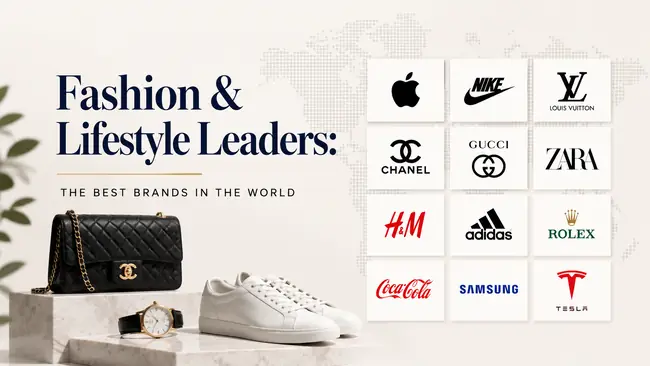
Fashion and lifestyle leaders continue to define global consumer identity, with the best brands in the world setting standards that influence style, cultural values, and sustainability choices across markets.
Louis Vuitton:
Louis Vuitton remains a symbol of luxury and exclusivity. Its monogram, leather goods, and high profile collaborations keep it dominant in the USA and UK. Celebrity endorsements and digital innovation ensure it stays one of the biggest fashion brands with timeless appeal.
Gucci:
Gucci blends heritage with bold modernity, appealing to both traditional luxury buyers and younger audiences. Known for vibrant designs and digital first campaigns, it has become one of the global fashion brands shaping consumer trends and connecting strongly with Gen Z.
Chanel:
Chanel is synonymous with elegance and timeless fashion. Its perfumes, couture, and accessories remain staples among famous brand names. By balancing heritage with modern campaigns, Chanel continues to hold strong influence across global luxury markets.

Nike:
Nike has evolved beyond sportswear into a lifestyle leader. Its dominance in athleisure, collaborations with athletes and celebrities, and inclusive campaigns make it one of the top fashion brands in the world, shaping how activewear is embraced as everyday fashion.
Adidas:
Adidas focuses on sustainability and innovation, appealing to consumers who value responsibility alongside style. With eco friendly collections and collaborations, it has strengthened its position as a global fashion brand that balances performance with lifestyle appeal.
Zara & H&M:
Zara and H&M lead fast fashion by offering affordable, trendy clothing with rapid production cycles. Their ability to adapt quickly to consumer preferences and invest in sustainability programs makes them accessible global fashion brands with wide reach.
Uniqlo:
Uniqlo emphasizes minimalist, functional fashion that combines affordability with quality. Known for innovative fabrics like HeatTech, it resonates strongly in Canada and Australia, positioning itself as a competitive player among the top fashion brands in the world.
Automotive & Mobility Innovators:
The automotive industry is undergoing a transformation, with electric vehicles (EVs) and sustainability at the forefront.
Tesla:
Tesla leads the EV market with premium electric cars that combine sleek design and advanced autonomous features. Its focus on sustainability and battery innovation makes it one of the famous brand names shaping future mobility.
BMW:
BMW blends tradition with modern technology, offering luxury vehicles alongside its i-Series electric models. By investing in connected mobility and sustainability, BMW remains a strong competitor among global fashion brands in automotive luxury.
Mercedes Benz:
Mercedes Benz is known for combining performance with luxury. Its EQ electric line and advanced safety features highlight its commitment to sustainability, keeping it relevant among the biggest fashion brands in automotive excellence.
Toyota:
Toyota is trusted worldwide for reliability and affordability. With leadership in hybrid technology and expansion into EVs, it continues to influence consumer mobility trends, securing its place among the best brands in the world.
Entertainment & Media Brands:
Entertainment brands shape culture and consumer habits globally.
Netflix:
Netflix dominates streaming with original content that appeals to diverse audiences. Its ability to adapt to regional preferences and invest in interactive formats makes it one of the most recognized famous brand names in entertainment.
Disney:
Disney blends legacy storytelling with modern innovation. From animated classics to Marvel and Star Wars, plus Disney+ streaming and theme parks, it remains a cultural powerhouse among the best brands in the world.
TikTok:
TikTok has revolutionized content consumption with short form videos that resonate with Gen Z and Millennials. Its viral trends and algorithm driven personalization make it one of the most influential global fashion brands in digital culture.
Meta:
Meta, parent of Facebook and Instagram, dominates social media ecosystems. By shaping digital identity, advertising, and investing in virtual reality, Meta continues to stand among the best brands in the world in global media.
Consumer Goods & Everyday Essentials:
Household brands remain indispensable, shaping daily consumer choices.
Coca Cola:
Coca Cola is more than a beverage, it is a lifestyle symbol recognized globally. With its iconic red branding and consistent marketing campaigns, Coca Cola has become one of the most enduring famous brand names. Its ability to connect emotionally with consumers through heritage and modern sustainability initiatives keeps it relevant across generations.
Pepsi:
Pepsi competes directly with Coca Cola by focusing on innovation and bold marketing strategies. Known for collaborations with celebrities and sponsorships in sports and entertainment, Pepsi maintains strong consumer loyalty. Its adaptability in introducing new flavors and healthier options ensures it remains a trusted global fashion brand in the beverage industry.
Nestlé:
Nestlé offers one of the most diversified portfolios in food and beverages, ranging from coffee and dairy to nutrition focused products. Its expansion into plant based and health conscious categories reflects current consumer trends toward wellness and sustainability. This adaptability has secured Nestlé’s position among the best brands in the world, appealing to households across multiple markets.
Procter & Gamble:
Procter & Gamble (P&G) dominates household essentials, from cleaning products to personal care items. With trusted names like Tide, Pampers, and Gillette, P&G has built a reputation for reliability and quality. Its presence in homes across the USA, UK, Canada, and Australia highlights why it remains one of the famous brand names shaping everyday consumer habits.
Unilever:
Unilever emphasizes sustainability and responsibility across its wide range of personal care and food products. Campaigns promoting eco friendly practices and social impact resonate strongly with consumers who prioritize ethical choices. With brands like Dove, Ben & Jerry’s, and Hellmann’s, Unilever continues to be recognized among the best brands in the world for balancing affordability, accessibility, and sustainability.
FAQs
1. What are the best brands in the world in 2026?
Apple, Microsoft, Louis Vuitton, Tesla, and Coca Cola lead across industries, shaping consumer trends globally.
2. Which famous brand names dominate fashion and lifestyle globally?
Louis Vuitton, Gucci, Chanel, Nike, and Zara are among the most influential.
3. How do the biggest fashion brands influence consumer trends?
They shape identity, sustainability choices, and global style preferences through innovation and marketing.
4. What are the top fashion brands in the world for Gen Z and Millennials?
Nike, Adidas, Zara, and TikTok driven collaborations dominate youth culture.
5. Which global fashion brands are leading sustainability initiatives?
Adidas, Uniqlo, and H&M are investing heavily in eco friendly practices.
Summary:
The best brands in the world are more than commercial entities, they are cultural forces shaping how people live, work, and consume. From technology leaders like Apple, Microsoft, and Google to luxury fashion houses such as Louis Vuitton, Gucci, and Chanel, these companies influence everything from digital engagement to personal style. For audiences in the USA, UK, Canada, and Australia, they represent both household staples and aspirational icons, setting global standards in innovation, sustainability, and lifestyle.
Fashion and lifestyle remain central to consumer identity, with the biggest fashion brands and global fashion brands driving trends across luxury, athleisure, and fast fashion. Nike and Adidas have redefined activewear as everyday fashion, while Zara, H&M, and Uniqlo deliver affordability and accessibility at scale. Luxury names like Louis Vuitton and Chanel continue to symbolize exclusivity and timeless appeal, while Gucci connects strongly with younger audiences through bold design and digital first campaigns. Together, these top fashion brands in the world balance heritage with modernity, ensuring relevance across generations.
Beyond fashion, industries such as automotive, entertainment, and consumer goods highlight how famous brand names shape everyday choices. Tesla, BMW, Mercedes Benz, and Toyota are leading the shift toward electric and sustainable mobility. Netflix, Disney, TikTok, and Meta dominate cultural consumption through streaming, storytelling, and social media ecosystems. Household leaders like Coca Cola, Pepsi, Nestlé, Procter & Gamble, and Unilever remain indispensable, combining trust with innovation and sustainability. Collectively, these 30 influential brands demonstrate how global leaders across industries continue to redefine value, consumer behavior, and cultural influence in 2026.