
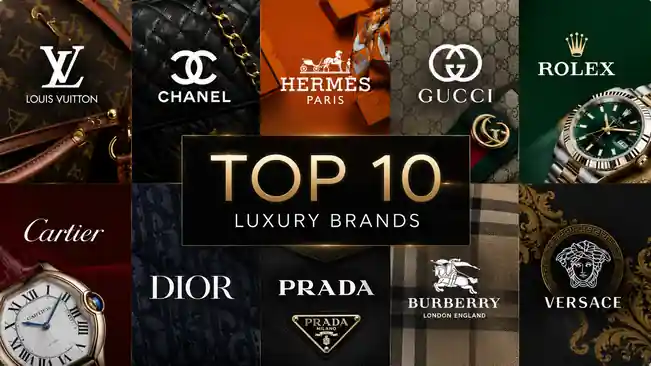
A definitive ranking of the Top 10 Luxury Brands in the World dominating fashion and culture in 2026.
Key Takeaways
- Louis Vuitton leads the Top 10 Luxury Brands in the World with a $111.9 billion brand value.
- Sustainability, digital innovation, and metaverse strategies now define global luxury brand leadership.
- Hermès Birkin and Chanel flap bags hold strong resale value, making them genuine investment pieces.
- Collaborations with streetwear and AI driven personalization are reshaping luxury consumer experiences globally.
Luxury fashion has always been more than just clothing or accessories; it is a cultural statement, a symbol of prestige, and a driver of global identity. In 2026, the industry continues to thrive, blending heritage craftsmanship with digital innovation. Consumers in the USA, UK, Canada, and Australia are increasingly drawn to high‑end fashion brands that balance exclusivity with accessibility, sustainability, and modern relevance. The appetite for luxury is not simply about owning a product, it is about participating in a lifestyle that communicates sophistication, success, and individuality.
This blog ranks the top 10 luxury brands in the world, explores why they dominate fashion in 2026, and highlights key trends shaping the industry. Whether you’re curious about the most expensive brand in the world, luxury womenswear brands, or luxury fashion jewelry brands, this guide provides a comprehensive look at the leaders redefining style today. By examining their strategies, products, and cultural impact, we’ll uncover how these fashion houses continue to set the standard for elegance and innovation in a rapidly evolving global market.
The Global Luxury Market in 2026:
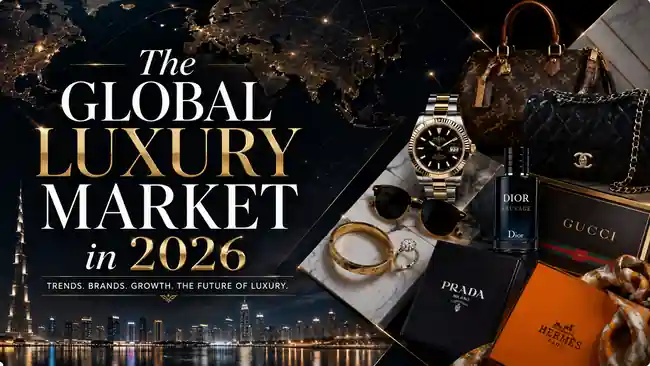
The luxury market has undergone a dramatic transformation over the past decade. In 2026, several forces are shaping the way consumers interact with high‑end fashion brands. Growth has rebounded after years of volatility, with brand value climbing steadily across major markets. The appetite for exclusivity remains strong, particularly in the USA and UK, where consumers view luxury purchases as both lifestyle statements and investments. In Canada and Australia, the market is smaller but increasingly influential, driven by younger demographics who value sustainability and digital innovation.
Digital‑first strategies are now mainstream. Virtual fashion shows, metaverse collaborations, and AI‑driven personalization have become essential tools for luxury houses. Gucci, Prada, and Louis Vuitton are experimenting with digital fashion assets, offering consumers unique experiences that blend physical and virtual luxury. This shift reflects a broader trend in consumer behavior: luxury buyers want more than products, they want immersive experiences that connect them to the brand’s heritage and future vision.

Sustainability has also become a defining factor. Consumers demand eco‑conscious luxury, pushing brands to adopt circular fashion and ethical sourcing. Prada’s Re‑Nylon initiative, Burberry’s carbon‑neutral runway shows, and Hermès’ exploration of alternative materials are prime examples of how heritage brands are adapting to modern expectations. In Canada, sustainability is a key driver of demand, while in Australia, urban centers like Sydney and Melbourne show rising appetite for eco‑friendly high‑end fashion brands.
Top 10 Luxury Brands in the World (2026 Rankings)
1. Louis Vuitton:
Louis Vuitton continues to dominate as the most expensive brand in the world, with a brand value exceeding $111.9 billion. Known for its iconic monogram and timeless leather goods, LV has expanded into digital collaborations, limited‑edition drops, and global cultural partnerships. The brand’s ability to balance heritage with innovation keeps it at the forefront of luxury fashion.
Louis Vuitton’s iconic products, such as the Speedy, Neverfull, and Capucines bags, remain staples for fashion enthusiasts worldwide. Collaborations with artists and streetwear designers ensure relevance among younger audiences, while flagship stores in major cities across the USA, UK, Canada, and Australia reinforce its global influence. LV’s dominance is not just about products; it is about creating a lifestyle that resonates across generations.

2. Chanel:
Chanel remains a powerhouse in luxury womenswear brands, blending haute couture with ready‑to‑wear collections. Its perfumes and luxury fashion jewelry brands continue to define elegance. Chanel’s ability to maintain timeless appeal while embracing modern trends ensures its continued relevance in 2026.
Signature styles such as tweed suits, quilted handbags, and ballet flats remain iconic. Chanel No. 5 perfume continues to be one of the most recognized fragrances worldwide, while fine jewelry collections like Camélia and Coco Crush appeal to luxury jewelry buyers. Chanel’s influence extends beyond fashion, it shapes culture, art, and lifestyle across global markets.
3. Hermès:
Hermès thrives on scarcity and craftsmanship. The Birkin and Kelly bags are not just fashion items, they are investment pieces. Hermès’ commitment to handmade leather goods and limited production ensures exclusivity, driving desirability among luxury consumers.
Long waitlists for Hermès products create a sense of prestige, while resale value often exceeds original prices, making these bags coveted assets. Hermès’ influence is particularly strong in the USA and UK, where collectors view its products as symbols of wealth and sophistication.
4. Gucci:
Gucci continues to reinvent itself with bold prints, eclectic designs, and collaborations with streetwear labels. Its ability to connect with millennials and Gen Z ensures relevance in a rapidly changing market.
Signature styles such as GG logo belts, sneakers, and bold runway collections appeal to younger audiences. Gucci’s digital strategy, including Gucci Vault and metaverse activations, keeps the brand ahead of trends. In 2026, Gucci represents the fusion of heritage and modernity, appealing to both traditional luxury buyers and new generations.
5. Rolex:
Rolex remains synonymous with prestige. Its watches are not just timepieces, they are fashion statements. Rolex’s ability to maintain timeless appeal while embracing modern innovation ensures its continued dominance in 2026.
Iconic models such as the Submariner, Daytona, and Datejust remain highly sought after. Rolex watches hold or increase in value, making them attractive investments. Rolex’s global appeal spans USA, UK, Canada, and Australia, reinforcing its position as a symbol of success and sophistication.
6. Cartier:
Cartier dominates luxury fashion jewelry brands with timeless collections. Its ability to balance heritage with innovation ensures continued relevance in 2026.
Signature pieces such as the Love bracelet and Panthère collection remain iconic. Cartier’s high jewelry offerings appeal to elite clientele, while its boutiques serve as aspirational destinations worldwide. Cartier’s influence extends beyond jewelry, it shapes culture and lifestyle across global markets.
7. Dior:
Dior continues to lead luxury womenswear brands with couture and ready‑to‑wear collections. Its ability to balance heritage with modern trends ensures continued relevance in 2026.
Iconic products such as the Lady Dior bag and haute couture gowns remain staples. Dior’s fragrance legacy, including J’Adore and Sauvage, continues to dominate global markets. Dior’s runway influence extends across Paris, London, and New York, shaping global fashion trends.
8. Prada:
Prada blends minimalism with innovation, focusing on sustainability. Its ability to balance heritage with modern trends ensures continued relevance in 2026.
Prada’s Re‑Nylon collection offers eco‑friendly bags and accessories, appealing to sustainability‑minded consumers. Futuristic runway styles attract younger audiences, while Prada’s global reach spans USA, UK, Canada, and Australia. Prada represents the fusion of tradition and innovation in luxury fashion.
9. Burberry:
Burberry redefines British heritage with modern luxury. Its ability to balance tradition with innovation ensures continued relevance in 2026.
Signature styles such as trench coats and check patterns remain iconic. Burberry’s digital campaigns showcase innovative marketing strategies, while carbon‑neutral runway shows highlight its commitment to sustainability. Burberry’s influence extends across the UK and global markets, shaping national identity and modern luxury.
10. Versace:
Versace thrives on bold aesthetics and celebrity appeal. Its ability to balance heritage with modern trends ensures continued relevance in 2026.
Signature styles such as the Medusa logo and bold prints remain iconic. Versace’s red carpet dominance reinforces its cultural influence, while lifestyle expansions into home collections and fragrances broaden its reach. Versace represents glamour, boldness, and modern luxury in 2026.
Key Trends Driving Luxury Fashion in 2026:
Luxury fashion in 2026 is defined by several key trends. Inclusivity and global appeal drive growth in luxury womenswear brands, with Chanel, Dior, and Prada leading the charge. Luxury fashion jewelry brands such as Cartier, Tiffany & Co., and Bulgari dominate as status symbols, appealing to consumers across USA, UK, Canada, and Australia.
Collaborations between high‑end fashion brands and streetwear labels continue to shape the industry, appealing to younger audiences who value authenticity and innovation. Technology integration, including AI‑driven personalization and digital fashion assets, enhances consumer experience, creating immersive and engaging interactions with luxury brands.
Summary:
The top 10 luxury brands in the world in 2026 showcase how heritage, innovation, and cultural influence continue to define global fashion. Louis Vuitton remains the most expensive brand in the world, while Chanel, Hermès, and Dior dominate luxury womenswear brands with timeless couture and modern ready‑to‑wear collections. Rolex and Cartier reinforce the prestige of watches and jewelry, while Gucci, Prada, Burberry, and Versace bring bold aesthetics, sustainability, and digital innovation to the forefront, ensuring relevance across diverse markets.
Luxury fashion jewelry brands such as Cartier, Tiffany & Co., and Bulgari highlight how accessories have become powerful status symbols, while high‑end fashion brands like Gucci and Prada are reshaping consumer experiences through metaverse activations and eco‑friendly collections. The appetite for exclusivity remains strong in the USA and UK, while Canada and Australia show rising demand for sustainable and digitally integrated luxury. These shifts reflect how luxury fashion is no longer just about products but about immersive lifestyles that blend tradition with modernity.
Key trends driving the industry include inclusivity in luxury womenswear brands, sustainability initiatives across high‑end fashion brands, and collaborations that merge streetwear with heritage houses. Digital‑first strategies such as AI‑driven personalization and virtual fashion shows are redefining consumer engagement, while eco‑conscious collections like Prada’s Re‑Nylon and Burberry’s carbon‑neutral campaigns set new standards for responsible luxury. Together, the top 10 luxury brands in the world illustrate how prestige, innovation, and cultural relevance continue to dominate fashion in 2026.