

LVMH maintains global luxury dominance by balancing decentralized creative brand identities with centralized corporate logistics.
Top Luxury Brands Owned by LVMH Key Takeaways
- The group diversifies across five sectors to ensure stability despite fluctuating global market trends.
- Louis Vuitton drives massive profits, funding riskier ventures and the growth of smaller brands.
- Hard luxury acquisitions like Tiffany & Co. provide long term value compared to seasonal fashion.
- Investing in niche labels and modern startups helps the portfolio adapt to evolving consumer preferences.
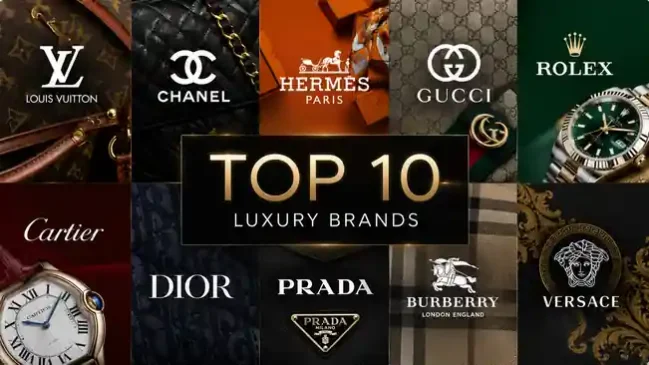
The top luxury brands owned by LVMH really represent the highest level of both hard and soft luxury products today. This Franco European group is a massive powerhouse that basically sets the tone for how people spend money on high end goods around the world. Because they have such a huge reach across every continent, they’ve become the main benchmark for how the luxury market is doing at any given time.
The LVMH portfolio is actually split into five different business areas to keep things organized. These include wines and spirits, fashion and leather goods, perfumes and cosmetics, watches and jewelry, and selective retailing. By spreading their reach across all these different categories, the company stays stable even if one specific market hits a rough patch.
The real reason this group stays so successful isn’t just because they keep buying up the world’s oldest luxury brands. It’s more about their decentralized management style. They let each Maison keep its own unique identity and creative freedom, but they still give them the backing of a giant global corporation. This strategy helps them balance traditional heritage with the modern logistics and money needed to run a global business.
Louis Vuitton: The Anchor of Fashion and Leather Goods
Louis Vuitton is easily the biggest moneymaker for the LVMH group. It pretty much sets the bar for the entire luxury world. By the start of 2026, the fashion and leather goods side of the business, which is mostly Louis Vuitton, brought in over €37.7 billion in a year. They manage to keep profit margins around 35%, which is impressive because they sell a lot of items while still keeping that high end, exclusive feel.

The brand started back in 1854 as a small French company making trunks in Paris. Since then, it’s grown into the main reason LVMH is valued at nearly €500 billion today. A huge part of that success comes from their famous Monogram pattern. It’s a massive asset for them because it lets them sell a lot of entry level accessories at a high profit, which is often how people first start buying into the brand.
To keep people interested for the long haul, they organize their products into different levels:
- The Basics: These are the popular canvas bags like the Neverfull or Speedy. They sell in high numbers and provide steady cash flow.
- High End Leather: The Capucines line is a step up. It’s named after the street where their first shop opened and focuses more on top tier leather and quiet luxury rather than big logos.
- The Ultra Luxury Tier: This is where you find the most expensive Louis Vuitton bag options. These are made from rare materials like crocodile or ostrich skin. Some of these cost over €50,000, putting them on the same level as a brand like Hermès.
Basically, Louis Vuitton acts as the engine that keeps the whole group running. Because it brings in so much reliable cash, LVMH can afford to take risks on new business ventures or spend years fixing up smaller brands in their portfolio without worrying about their bottom line.

Christian Dior: The Ultimate Expression of Haute Couture
Christian Dior is a unique part of the LVMH family because it really bridges the gap between old school fashion history and modern business success. Back in 2017, the brand was fully pulled into the LVMH system, which brought its high end clothing and its famous perfumes under one roof. This move helped make the brand’s look more consistent and definitely boosted the overall Christian Dior net worth, adding billions to the group’s total value.
When you look at the market, Dior is basically the main rival to Chanel. While Chanel usually sticks to a very consistent, timeless style, Dior likes to experiment more with the New Look vibe that made it famous back in the late 40s. Recently, under the creative direction of Jonathan Anderson, who just showed his first collections in early 2026, the brand has shifted toward a more sculptural look. It’s a mix of classic shapes and modern, wearable art.
A big reason Dior can charge such high prices is the quality of the materials they use. For a piece of ready to wear clothing that costs over €10,000, or a custom couture gown that costs much more, the fabrics have to be top tier. They use several exclusive materials:
- Silk Jacquards: These are custom fabrics where the patterns are actually woven right into the material, not just printed on top.
- Virgin Wool Blends: These come from LVMH’s sustainability programs, so they are ethically sourced but still feel incredibly high end.
- Detailed Tulle and Organza: These light, airy fabrics often require hundreds of hours of hand stitching in their Paris workshops to get that signature Dior volume.
Essentially, Dior is the soul of the group’s fashion side. It gives LVMH the kind of artistic respect that rubs off on all their other brands. By pairing this high fashion reputation with a massive fragrance business, think of scents like Sauvage, Dior shows exactly how a French fashion company can become a global giant without losing its artistic roots.
Fendi: Roman Heritage and Fur Mastery
Fendi holds a special spot among the brands owned by LVMH because it serves as the group’s main Italian anchor. While a lot of their big names are based in Paris, Fendi keeps its Fendi Roma identity front and center. They actually run everything from the Fendi hq, which is located in the famous Palazzo della Civiltà Italiana. This gives LVMH a bit of variety, helping them reach customers who prefer Roman craftsmanship over the typical French style.
The brand has been around a long time, starting with its fendi roma italy 1925 roots as a small shop for fur and leather. It famously grew over several decades under Karl Lagerfeld and still involves the Fendi family heirs today. This long history has helped them master soft luxury, like high end clothing, while they transition their traditional fur expertise into more modern, sustainable materials.

LVMH has also used a strategy here that’s similar to what they did with Louis Vuitton. They’ve focused heavily on high margin leather goods, specifically hero items like the Baguette and Peekaboo bags. These iconic accessories bring in steady money, which then allows the brand to be more creative and experimental with their runway collections.
Essentially, Fendi gives LVMH a different aesthetic to offer. By appealing to people who love the bold, artistic spirit of Rome rather than the structured look of Paris, the group can cover more ground in the luxury market. It’s a smart way to grow without having their own fashion houses compete for the same exact customer.
Tiffany & Co. and Bulgari: The Hard Luxury Expansion
LVMH has been making some big moves in the Hard Luxury world lately to really compete with rivals like Richemont. By pulling famous jewelry and lvmh group watch brands into their lineup, they’ve shifted from being mostly a fashion company to a leader in high value, long lasting goods. A perfect example is what they did with Tiffany & Co. They’ve really leaned on the skills of tiffany and co artisans to move the brand away from just being about engagement rings and toward a much more high end jewelry status.
Bulgari plays a major part here too, especially with its mix of jewelry and technical watchmaking. The brand has carved out a solid spot in the bulgari men watch market by combining Italian style with Swiss precision, which you can see in things like their Octo Finissimo series. This has helped LVMH keep its prestigious reputation while also reaching a younger crowd of men who care about good design.
The group also stays technically relevant by making a lot of their own parts. For instance, the famous zenith movement still gives their watches a lot of mechanical street cred. On top of that, many TAG Heuer components are tag heuer manufactured in house. This shows they’re serious about making their own gear and not just relying on outside suppliers.
Basically, by buying and growing these established watch and jewelry houses, LVMH doesn’t have to worry as much about the fast moving fashion world. These Hard Luxury items tend to hold their value much better over time, giving the group a more stable, long term foundation compared to the seasonal nature of clothes and bags.
Moët Hennessy: Dominance in High End Wines and Spirits
The MH in LVMH stands for Moët Hennessy, a part of the company that handles their high end drinks and brings in a lot of profit. Unlike their fashion labels, this side of the business manages a whole range of high end wines. It goes from super rare estates like Chateau d’Yquem and Clos des Lambrays down to more accessible but still premium brands like Chandon Argentina. This mix lets them sell to both serious collectors and a broader audience around the world.
Many of these brands work on what’s called a Veblen Good model. Basically, because they are expensive, people want them even more for the status they bring. You can see this with Hennessy cognac, which is a leader in the global market. It’s the same for Dom Pérignon. As the Dom Perignon owner, LVMH is very careful to only release specific vintages. This keeps the supply low and makes sure the bottles stay valuable for collectors and investors.
The company also has a lot of control over pricing in hotels and high end restaurants. They manage the Veuve Clicquot champagne cost very closely to make sure it stays a go to choice for luxury dining and celebrations. By keeping a tight grip on how much is out there and where it’s sold, they ensure their champagnes are always seen as a top tier choice everywhere in the world.
The big takeaway here is that the Wines & Spirits division acts as a safe bet for LVMH. While clothes and fashion can go out of style and lose value if they don’t sell quickly, high end spirits and vintage wines actually tend to get more valuable the longer you keep them. This gives the group a solid backup that isn’t as affected by the fast changing trends of the retail world.
LVMH Ventures and Niche Maisons: The Future Portfolio
LVMH stays at the top of the market by following a pretty simple mission statement: focus on creativity and innovation to keep growing. To do this, they have an investment branch called lvmh ventures. This team looks for luxury startups and new business ideas that are doing things differently. It’s basically a way for the company to find and support the next generation of brands that might eventually become some of the costliest clothing brands in the world.
You can see this strategy in how they buy quiet luxury brands or fix up older ones. For example, as the loro piana owner, LVMH took over a leader in high end fabrics and knitwear. This appeals to people who want top quality materials without big, flashy logos. They also did something similar with celine founded 1945, bringing the brand back into the spotlight with a more modern, minimalist look that fits well alongside their more traditional fashion houses.
They also bring in newer brands that shake up how luxury retail usually works. A great example is rihanna’s cosmetics brand, Fenty Beauty, which was a joint project with LVMH’s Kendo division. By focusing on being inclusive and using digital marketing, the brand grew incredibly fast. It actually forced the rest of the beauty industry to change how they think about shade ranges and representing different customers.
Basically, LVMH protects its future by growing or buying niche brands before they can become major competitors. This proactive approach lets the group pick up on new trends, like the move toward inclusive beauty or quiet luxury, while giving these smaller companies the money and shipping networks they need to sell globally.
Summary
The top luxury brands owned by LVMH, from the massive leather goods business at Louis Vuitton to the specialized jewelry work at Tiffany & Co., thrive because they share the same logistics and prime real estate. By handling things like shipping and store locations through a central system, the group saves a lot of money. At the same time, they make sure each brand stays in its own creative silo. This keeps the individual history and style of each house from getting watered down by the bigger corporation.
The real strength of the LVMH portfolio comes from being in so many different markets with high profit margins. They have the high end appeal of their wine and spirits, the huge brand recognition in fashion, and a long history of technical skill in their watch companies. Because they are leaders in all these areas, they can handle a dip in one part of the world by leaning on growth in another. It keeps the whole company steady even when the global economy is unpredictable. Looking forward, the Bernard Arnault house is in a great position to stay at the top of the luxury world. They’ve built a solid strategy that balances owning some of the oldest luxury brands in existence with buying up newer, more disruptive labels. This mix of traditional prestige and modern innovation helps LVMH keep its hold on all types of high end customers.