

Best Sportswear Brands: Modern sportswear brands achieve market dominance by blending technical fabric innovation with versatile lifestyle designs.
Best Sportswear Brands for Performance Key Takeaways
- Leading brands maintain a competitive edge by investing in patented textile research and development.
- Performance gear focuses on moisture management and ergonomic designs to support specific athletic movements.
- The rise of athleisure has blurred the line between high intensity gym gear and everyday apparel.
- Specialized brands are successfully targeting underserved markets like muscular builds and inclusive sizing options.
Identifying the best sportswear brands for performance requires an analytical look at textile innovation, ergonomic design, and the diverse needs of modern athletes. What used to be a small niche for pro gear has turned into a massive global category that mixes technical function with everyday comfort. This change happened because people now expect their clothes to help them stay comfortable and move well, no matter the environment.
When professionals talk about what is athletic wear, they are usually looking at how a garment actually works rather than just how it looks. In a technical sense, it’s clothing specifically engineered to support body movement, pull sweat away from the skin, and keep body temperatures steady during a workout. Today’s high performance athletic wear often uses advanced synthetic blends and recycled materials to offer a level of stretch and durability you just don’t get with standard fabrics.
The industry is now broken down into several specific sportswear types based on what the body needs during different activities. You’ll find compression gear meant to help with blood flow and muscle support, moisture wicking shirts that dry out quickly, and thermal layers designed to hold in heat during cold weather training. Knowing the difference between these categories is the first step in understanding how different brands approach the science of exercise.
The Evolution of Famous Sports Brands and Market Dominance
The reason famous sports brands stay on top of the global market is mostly due to their constant work in research and development. By creating their own unique technologies, these big companies have built a gap between themselves and basic clothing brands. This focus on newness helps them keep their spot at the top, even when new fitness companies try to move in.
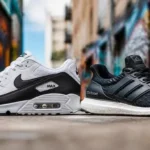
Take Nike as a primary example. They’ve spent years and a lot of money developing things like their own foam cushioning and aerodynamic fabrics for clothes. Because they patent these inventions, it’s a lot easier to tell their high performance gear apart from various nike alternatives. The main takeaway here is that by constantly updating their tech, a brand can stay premium because their performance claims are actually backed up by science that’s hard to copy.
To keep this lead, most of these big organizations focus on a few specific strengths:
- Putting money into textile patents so their products have a unique feel or function.
- Using massive global shipping and supply chains to get products everywhere efficiently.
- Connecting digital apps and fitness trackers directly with the gear they sell.
These points help explain why nike top competitors and other brands like nike care just as much about software and shipping as they do about how a shirt looks. By being part of an athlete’s entire routine, from tracking a run to the gear worn during it, these older brands stay relevant in a very crowded market.
Engineering Performance: Materials and Breathability
The science behind modern fabrics is what really makes high performance athletic wear for heat management work. When companies look for the best workout clothes material, they usually go for synthetic blends like polyester and elastane. These are designed with specific fiber shapes that create more surface area, which helps the fabric breathe better and regulate body heat while you’re moving.
A piece of gear’s technical performance mostly comes down to how well it helps the body cool itself off. Many brands use special knitting patterns to make certain areas of a shirt more or less dense. This helps pull warm air away from your skin. It’s a vital part of clothing design for athletes who need to keep their core temperature steady to stay safe and keep going.
Breathability and Moisture Management
In the U.S., breathability ratings athletic wear united states are often measured by how much water vapor can actually pass through the material. High quality gear uses wicking cloth to move liquid sweat from your skin to the outside of the fabric where it can evaporate. This keeps the clothes from getting heavy and soaked, which usually leads to uncomfortable chafing or getting too cold once you stop moving.
Under Armour really made a name for themselves in the pro player activewear space by creating synthetic microfibers that pulled sweat away from the skin. By fixing the problem of heavy, soggy cotton shirts, they completely changed what people expect from their workout gear. The big takeaway here is that when a brand solves a specific physical problem through fabric tech, they build a lot of trust and set a new bar for everyone else.
The Rise of Athleisure and Hybrid Performance
The sportswear market has changed a lot lately, as the line between serious gym gear and everyday clothes keeps getting thinner. This hybrid style is often led by any big name in athleisure and focuses on being versatile. It allows a single outfit to work just as well for a workout as it does for hanging out with friends. By adding features like four way stretch and anti odor tech to more tailored designs, brands have essentially set a new standard for casual dressing.
Lululemon is a great example of how this started. They were one of the first to pair technical fabrics with a high end, simple look. By moving away from the typical gym aesthetic, they made clothes that were just as comfortable in a yoga class as they were in a professional setting. The main takeaway here is that by making a garment more useful for different situations, a brand can reach a much wider audience and increase how valuable the product feels to the customer.

Right now, a few specific trends are driving the growth in this area:
- The move toward studio to street clothing that fits into busy, on the go lifestyles.
- Using athleisure brand logos as a way to show a personal interest in health and wellness.
- A rising interest in brands similar to lululemon that offer top men’s activewear studio to street gear.
- More competition among lululemon competitors for men who want clothes that are both functional and look sharp.
This move toward multipurpose clothing shows that performance isn’t just about what you do at the gym anymore. It’s also about how well your clothes handle your entire day. As people look for more efficiency in their wardrobes, this hybrid approach has become a go to strategy for most brands.
Specialized Fit: Muscular and Athletic Build Requirements
Clothing brands have finally started to realize that standard off the rack sizes just don’t work for people with a lot of muscle. Because of this, there’s a growing market for clothes that offer plenty of room to move while still maintaining a sharp, tapered look.
Defining the Athletic Fit
If you’re wondering what does athletic fit mean in the design world, it mostly comes down to the ratio between the shoulders and the waist. These clothes are built with extra space in the chest and arms to fit broader shoulders and bigger biceps, but they narrow down quite a bit at the bottom.
By using this V shape pattern, designers can give a clean look without all the extra fabric that usually bunches up around the waist in regular or slim fit shirts. It’s a style that’s become really popular for people with active lifestyles who need their clothes to actually move with them.
Solutions for Muscular Men
It’s always been pretty hard to find decent clothing for muscular men, especially when it comes to professional gear made from stiff materials. To fix this, some companies have started mixing stretchy fibers like spandex into traditional fabrics. This helps create the best fitting shirts for muscular men that still look formal enough for the office.
State and Liberty is a good example of this. They made athletic fit shirts for men using stretchy, moisture wicking fabric specifically for work. This was a big deal because it fixed common issues like tight collars or restricted movement for guys with athletic frames. The main takeaway is that by focusing on a specific need, like a muscular build, a brand can successfully compete against traditional state and liberty competitors by offering something specialized.
Premium Performance and Technical Essentials
In many parts of the world, a specific branch of sportswear has shifted toward tech wear, where the main goals are durability and making clothes last as long as possible. Unlike your average gym clothes, these items are built to handle a lot of friction and rough use, but they still look sharp enough to wear for work or travel. This focus on engineering has helped create a rise in activewear brands high abrasion resistance, which basically means the fabrics are tested to make sure they won’t pill or rip easily.
The activewear apparel company Rhone is a good example of this approach. They’ve developed specialized items, like their performance polo shirt, using treatments like GoldFusion and SilverTech to weave anti odor features right into the fabric. This was a big deal because it meant the shirt stayed fresh longer and didn’t need to be washed as often, which usually wears out technical fabrics. The main takeaway is that brands like Rhone can justify a higher price point by focusing on long lasting quality and useful features that set them apart from more lifestyle focused brands similar to Vuori.
To reach this level of performance, high end companies usually stick to a few technical standards:
- Using silver ion technology to keep clothes from smelling during long days.
- Adding reinforced stitching and bonded seams so the gear holds up during tough workouts.
- Making top tech wear essentials for active men, such as water resistant joggers and blazers with built-in ventilation.
Diversity in the Industry: Athlete Owned and Inclusive Brands
The sportswear world is changing, and we’re seeing a much bigger focus on authenticity and representation lately. The huge global leaders now have to share the market with newer labels that care just as much about social values as they do about fabric specs. This shift is most obvious in how new brands are moving away from the old one size fits all industry template to make gear that actually reflects real world diversity.
Athlete Led Ventures
The rise of the pro athlete brand has really changed how people see high end gear. When famous competitors launch their own lines, they use their personal experience to fix specific performance issues they’ve dealt with themselves. This gives athlete owned brands a massive head start because they have a level of built in trust that big corporate marketing usually can’t fake. People tend to trust these products more because they feel like they were made by pros for pros.
While the big corporations are still in charge, a lot of shoppers now look for a specific list of 10 athlete owned brands or similar projects to find gear with a unique point of view. In 2026, some of the most notable examples include:
- Jordan Brand: Still the top name for basketball and style.
- Curry Brand: Heavily focused on basketball and local community sports.
- Beats by Dre: Even though it’s tech, it’s a massive part of the athlete lifestyle.
- Pace: An athlete led brand known for distance running gear.
- TMRW: A newer athlete backed brand that focuses on golf and training.
Inclusive Sizing and Body Positivity
At the same time, there is a huge demand for the best activewear brands for body positivity and inclusive sizing. The industry is finally starting to realize that performance isn’t tied to one specific body type. High performance gear is now judged on whether it provides the same support and moisture wicking benefits across a wide range of sizes, rather than just the standard ones.
Girlfriend Collective is a great example of this. They grew their market share by focusing on inclusive sportswear made from recycled materials. By offering sizes from XXS all the way to 6XL, they filled a major gap in a market where bigger sizes used to be an afterthought. The big takeaway here is that focusing on the community and offering diverse sizing is vital for staying relevant today. Companies that ignore inclusivity often lose out on a loyal customer base that values social responsibility.
Regional Markets and Specialized Sportswear
What people want in their workout gear often depends on where they live and the specific sports they play. In many places, brands have to deal with different climates and local attitudes toward fitness, which has allowed some regional companies to really stand out. Even though the big global names are everywhere, smaller companies often lead the way by making clothes that actually fit their local environment and weather.
Alo Yoga is a perfect example of this. They used the Los Angeles wellness vibe to become one of the most popular yoga brands around. By linking their look to a specific place and culture, they created a high end feel that works even for people who don’t live in California. The big lesson here is that a brand’s identity is often shaped by its home culture, helping it compete with other brands similar to Alo Yoga by selling a certain lifestyle.
The market is also breaking down into smaller, specialized groups based on different sports:
- There is steady growth in the best soccer brands across Europe and South America, with a focus on light, aerodynamic gear for both pros and fans.
- We’re seeing a rise in the best sports attire brands Singapore and across Asia. In these areas, fabrics that can handle high humidity are a top priority for shoppers.
- Niche markets are also growing, like cross country sportswear and tennis clothing logos and names that focus specifically on the unique way those athletes need to move.
All of this shows that performance really depends on where you’re using the gear. Whether it’s a soccer stadium in Europe or a running trail in the tropics, brands that focus on specific sport based needs are the ones that usually keep growing.
Future Trends: Sustainability and Tech Integration
Looking toward and the years to follow, the sportswear world is really focusing on sustainable materials and how to recycle old gear. Many of the athleisure wear trends men are following involve closed loop manufacturing. This basically means designing clothes that can eventually be recycled or composted rather than just thrown away. It’s a move away from using brand new plastics and toward a more responsible way of making textiles.
Besides being more eco friendly, there’s a big move toward using tech in fabrics to help the body recover. This has led to more second skin athletic wear, which often uses special minerals or specific compression levels to help blood flow and muscle repair after a hard workout. It shows that brands are thinking about more than just the time you spend at the gym; they want to support the whole process, including rest.
Modern gym culture is also being shaped by brands that make gear look as good on the street as it does in the weight room. You can see this with brands like ASRV and Dfyne. For instance, ASRV started adding very practical features like hidden pockets for cards and loops to hold a towel into their training gear. This was a smart move because it actually solved the small, annoying logistical problems for people who have to navigate a city all day. The big takeaway is that the most successful brands in the future will likely be the ones that mix high end utility with a style that hits home for specific fitness communities.
Summary
Recent progress in the clothing industry has really changed the answer to what is athletic clothing by focusing on actual performance. Things like high abrasion resistance for durability and better breathability to keep you cool have become the basic standard for good gear. Looking at the market now, it’s clear things have split into different niches, some focus on pure gym utility, some on everyday style, and others on making sure clothes actually fit different body types.
Several famous sports brands and smaller specialized names show how varied these strategies can be. Nike and Under Armour still stay ahead by spending a lot on their own fabric research. On the other hand, Lululemon and Rhone have done a great job making technical gear that still looks good enough for daily wear. At the same time, brands like State and Liberty focus on muscular builds, Alo Yoga ties its look to a specific lifestyle, and Girlfriend Collective puts its energy into inclusive sizing and being sustainable.
In the end, the best sportswear brands for performance are the ones that manage to mix smart fabric science with a real understanding of how people are built. Whether you’re looking for the best gym clothes for high intensity training or just something versatile to wear all day, it really comes down to how well the clothes handle what you’re doing. As we move through 2026, the brands that stay on top will be those that keep improving how their gear fits and functions.