


The best doc martens alternatives give you the combat boots silhouette and sole profile you’re after, without asking you to pay for a brand that’s coasted on its reputation for too long.
Doc Martens Alternatives – Key Takeaways
- Most Doc Martens sold today are manufactured in Asia, and long time owners have noticed the leather is thinner and the soles harder to repair than older pairs. Brands like Solovair, Thursday Boot Company, and Red Wing offer comparable or better construction at similar or lower price points.
- Goodyear welt construction is the single most important quality signal in this category. It means the sole is stitched rather than glued, making the boots water resistant and resoleable multiple times rather than destined for disposal when the outsole wears out.
- Depending on the brand, quality doc martens alternatives range from roughly $65 for entry level Grinders styles up to $350 for Red Wing Heritage boots, with the strongest value concentrated in the $150 to $230 range.
- The core choice is between aesthetic match and construction upgrade. Solovair replicates the Docs look most closely. Thursday Boot Company and Red Wing Heritage deliver better leather and build quality for buyers willing to drift from the original silhouette.
Few boots have carried as much cultural weight as a pair of Docs. Punks laced them tight and scrawled on them. Workers wore them through factory floors and building sites. Across the world, DM has been owned by anyone with a reason to push back against the mainstream, and the brand’s identity absorbed all of it. But the reactions from long time wearers shifted noticeably after production moved to asia, with complaints about thinner leather, soles that split early, and a boot that no longer felt like it was built to last a decade.
The post production move reality is this: the vast majority of Docs on shelves today aren’t made anywhere near the Northamptonshire factory that built the brand’s reputation. Buyers paying full price for the martens name are frequently getting a cemented sole that can’t be resoled and corrected grain leather that ages poorly. That’s the gap that opened the door for doc martens alternatives to gain serious traction among boots buyers who want the silhouette without the compromise.
That’s exactly what this article maps out. Several current brands deliver the combat boots look, the chunky platform sole height, and in most cases better construction, at prices that range from genuinely budget friendly to premium but worth it. The best doc martens alternatives aren’t pale imitations of the original. Some are simply better boots.
Why Doc Martens No Longer Lead The Pack
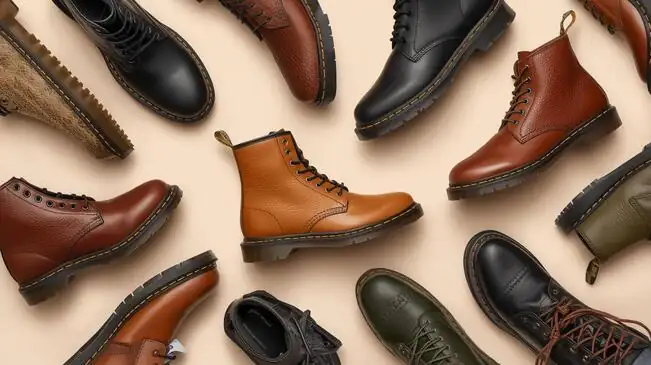
For decades, the uk factory in Wollaston, Northamptonshire crafted docs by hand with thick leather uppers and welted soles built to be resoled. Workers on the factory floor produced boots that owners genuinely wore for years without a second pair entering the picture. That quality reputation was the brand’s real product.

Post production move, the picture changed. The leather on mainstream doc martens thinned, the soles switched to a heat fused construction that can’t be repaired when they wear out, and the boots that replaced old favourites started showing problems fast. Reactions from long time dm owners have been consistent and pointed: seams separating within months, soles splitting clean away from the upper, leather creasing in sharp lines rather than moulding to the foot. These aren’t isolated complaints. They’re the dominant post purchase narrative across owner forums and review threads.
The dm “Made in England” line still exists, but it sits at a steep premium over the standard range, and most buyers don’t realise they’re choosing between two very different products under the same brand name. Getting rid of that gap in understanding is part of what’s driven the market for alternatives. When a martens pair no longer reliably delivers the quality the martens name implies, buyers who’ve owned good boots before start looking elsewhere. That search is what this guide exists to answer.
What Makes Good Boots Worth Your Money
Good boots earn their price by lasting, and the right construction signals are easy to spot once you know them. Investing in quality combat boots from sustainable brands can help combat the fast fashion cycle by promoting durable products that can be repaired and resoled.

- Goodyear welt or stitchdown construction: both methods stitch the sole to the upper rather than gluing it, which means a cobbler can replace a worn sole and extend the life of the boots indefinitely rather than sending them to landfill.
- Full grain or durable leather upper: the upper cut from the outermost layer of the hide retains its natural fibre structure, so the leather develops a patina with age and wear instead of cracking and peeling the way corrected grain or split leather does.
- Solid rubber or commando outsole: a rubber sole with deep lug tread grips reliably during walking, handles wet surfaces, and can be replaced by a cobbler when it wears down, which is the whole point of investing in quality footwear in the first place.
- Correct size and half size availability: fit determines whether a pair stays comfortable over the long term; boots that are half a size too large cause heel slippage, and brands that don’t offer half sizes force a compromise that affects durability and daily comfort alike.
- Real break in period: a boot crafted from genuine leather takes time to mould to your foot, and a sole that feels stiff out of the box is a sign the materials are dense enough to offer real longevity rather than false immediate softness.
The Best Doc Martens Alternatives Right Now
Each brand on this list was selected based on build quality, price honesty, and how closely it delivers on the doc martens alternatives promise across construction and aesthetic.
Solovair
Solovair is made at the NPS factory in Wollaston, Northamptonshire, England. That’s the same factory that crafted the original Doc Martens boots before production shifted overseas. When Dr. Martens moved manufacturing to Asia, the Northampton factory kept doing exactly what its workers had always done, but under its own name. The result is a brand whose craftsmanship carries unbroken continuity with the boots that made DM’s reputation in the first place.
The leather is the clearest difference. Solovair uses a thicker, greasier bovine hide sourced from European tanneries, and the upper develops genuine character with wear rather than cracking prematurely. Each pair is Goodyear welted, which means the sole is stitched rather than glued and can be sent in for repair and resoled multiple times, extending longevity far beyond what modern docs can claim. Solovair’s air cushioned suspension sole provides a similar look to the classic Doc Martens 1460 style but features thicker leather and better outsoles.
Prices sit in the $200 to $250 range, comparable to standard Docs but representing materially better construction. The range covers derby boots, Chelsea boots, platform boots, shearling lined models, and sandals. Solovair suits buyers who want the original Docs experience rather than the version currently being sold under that name.
Thursday Boot Company
Thursday Boot Company set out to make Goodyear welted, full grain leather boots available below the $200 mark by cutting out retail markups entirely. Footwear brands like Thursday Boot Company and Jim Green Footwear offer alternatives to Doc Martens with durable construction and comfort. That direct to consumer model is what makes the price work, because the quality of the leather and sole construction on their boots would typically cost significantly more through traditional retail.
The product mix covers both men and women convincingly. Men can discover the Hero, a lug sole combat boot with a thick, chunky profile and 1.5 inches of lift, and the Explorer, an eight inch combat boot crafted with storm welt construction and Kevlar blend laces. The women’s Combat boot shares the same DNA, with a rubber lug sole and a 1.5 inch heel across multiple colorways. Wearing any of these in feels faster than breaking in Docs, which is partly down to leather quality rather than a shortcut. These boots hold their shape and hold up to daily use in a way that competes with pairs priced $100 higher. Thursday runs true to size, half sizes are available, and getting the fit right from the first pair is straightforward.
Red Wing Heritage
Red Wing Heritage sits at the premium end of this list. These are boots crafted in Red Wing, Minnesota, USA using full grain leather from the brand’s own SB Foot Tanning Company, with some European influenced tannage traditions reflected in the upper quality across key models. Boot enthusiasts recommend alternative heritage brands for superior leather, structural support, and longevity compared to modern Dr. Martens, and Red Wing is the clearest example of what that means in practice.
The Heritage range most relevant to the Doc Martens audience includes the Iron Ranger, the Classic Moc, and the Blacksmith. Prices run from approximately $300 to $350. That cost reflects boots crafted with Goodyear welt construction, a cork and leather midsole that molds to the foot over time, and leather that ages into something the world of fast fashion footwear simply can’t replicate. Red wings aren’t trying to look like Docs, the sole profile is different, the silhouette is more workwear than subculture. But for durability, walking comfort over years of daily use, and wardrobe investment, red wings justify every dollar. These boots suit buyers willing to commit to a pair for a decade or longer, not those chasing the 1460 aesthetic.
Grinders
Grinders is a UK brand with over 50 years of history rooted in the skinhead, punk, and biker subcultures. No other brand on this list comes closer to the cultural DNA that made Docs meaningful in the first place. The look, the attitude, and the construction are all of a piece: Goodyear welted styles with commando soles, reinforced stitching, and leather built for people who actually wear their boots hard.
Key models include the Herald, Stag, and King, ranging in height and eyelet count. Grinders trades heavily on UK subculture identity rather than fashion forward styling, which is either the appeal or the limitation depending on why you’re here. For punks, alternative fashion wearers, and anyone who wants to buy a pair that will survive genuine daily use at a price below standard Docs, grinders make a strong case. Entry level styles sit notably cheaper than a standard 1460, and the brand’s commando sole profile replicates the visual weight that attracts people to Doc Martens in the first place. The wardrobe proposition is clear: more boot for less money, without sacrificing subcultural quality.
Jim Green Footwear
Jim Green Footwear crafts boots in South Africa using locally sourced components and stitchdown construction built for resoling. Every pair is handcrafted at their facility, and the brand’s commitment to supporting local workers and local labour isn’t a marketing position, it’s the production model itself. In a market increasingly dominated by offshore manufacturing, that distinction is real.
The stitchdown construction means every pair can be repaired and resoled by a cobbler, giving these boots a viable lifespan well beyond what their price suggests. Key models include the African Ranger and the Bush War Boot, the latter crafted with a 360 degree double stitchdown construction, crepe rubber sole, and a gusseted tongue designed for field use. Jim Green is a brand the wider world is still in the process of discovering, and that’s partly why the quality to price ratio is as sharp as it is. The toe box is wide, there’s a genuine break in period, and the leather needs conditioning. Who suits Jim Green: slow fashion buyers who want boots they can shop with intention, repair when needed, and wear without a region specific premium attached to the name.
Blundstone
Blundstone is a different kind of alternative. It doesn’t replicate the combat boots lace up silhouette of Docs, so if that’s the non negotiable, look elsewhere. What Blundstone does is answer the same underlying question, what leather boots can I wear every day without thinking about them, from a completely different construction angle.
The Australian brand is built around slip on Chelsea style boots with leather uppers, elastic sides, and a cemented sole construction that makes them lightweight and comfortable out of the box. Men and women are equally well served by the range, with prices running from around $200 to $220 for most styles. The trade off is honest: cemented soles mean resoling isn’t as straightforward as it is with Solovair or Red Wing, and the boots won’t develop the same kind of aged character over time. But for buyers who want something chunky, leather, and tough looking without a painful break in and without the combat boot lace up format, Blundstones feel exactly right from the first wearing. The fit runs generous, and the overall quality holds up well across regular use.
Combat Boots
Not every pair of combat boots earns the price on the tag. Several brands offer substitutes for Doc Martens that feature excellent support, durable construction, and distinct aesthetics without painful break in periods, but even among quality options, the construction details separate boots worth buying from those that look the part for a season and fall apart. Quality combat boots are often made with full grain leather, which is known for its durability and ability to be resoled, extending the life of the footwear. Knowing what to look for before you buy means you don’t have to learn it the hard way.
- Sole construction type. A Goodyear welt or stitchdown sole is stitched to the upper rather than glued, which means the sole can be replaced when it wears out. Cemented soles create a lighter boot but can’t be properly repaired, so the whole pair becomes disposable once the sole goes.
- Leather grade. Full grain or genuinely durable leather ages into the shape of your foot and resists cracking under daily use. Corrected grain or split leather looks similar in photos but starts peeling and creasing badly within months of regular wear.
- Break in reality. Real leather boots built to last need time to mould to your foot. A boot that feels immediately soft out of the box usually has a thinner, lower quality upper. Expect a break in period with any well crafted pair.
- Size and half size availability. A poorly fitting boot causes heel slippage and blisters. Not every brand offers half sizes, which is a genuine limitation worth checking before committing to a specific brand.
- Intended use. Walking in boots daily puts different demands on the sole and upper than occasional wear. Work boots are crafted for sustained use; fashion forward styles designed for occasional wear may not hold up to the same kind of long punishment.
These five checks separate footwear built to create lasting value from cheaper alternatives that only look the kind of thing worth owning.
Durable Leather And Construction
Most fashion positioned boots use thin, corrected grain leather uppers that dull within months and cemented soles that can’t be replaced when they wear out. The upper cracks rather than ageing, the sole delaminates at the seam, and the whole new pair ends up in the garbage long before it should. Sustainable combat boots are often made by small and medium sized independent businesses that prioritize slow fashion principles, such as craftsmanship, longevity, and repairability. Many sustainable boot brands focus on using lower impact materials and ethical manufacturing practices to reduce their environmental footprint.
Durable leather is the first signal. Full grain upper material holds moisture, shapes to the foot over time, and responds to conditioning rather than cracking under it, which is why a well maintained shoes crafted from quality leather can outlast three or four cheaper replacements on cost alone. The construction of the sole matters just as much. A Goodyear welt or stitchdown sole is stitched through to the upper, so when the sole wears down a cobbler can repair and replace it cleanly, giving the boot a second and third life. Cemented construction, by contrast, can’t be properly resoled, so the boot has one lifespan, full stop. Many brands are now focusing on slow fashion principles, emphasizing craftsmanship, longevity, and repairability in their boot designs.
In general, these signals hold together: a brand that invests in durable leather and welted construction post production is a brand that expects its boots to be worn long enough to be worth repairing. Every brand on this list was selected with exactly those criteria in mind.
Platform Sole Options
The market for combat boots has expanded significantly, with numerous independent brands producing high quality alternatives to Doc Martens. But not all of them replicate the specific visual signature that draws people to Docs in the first place: the chunky platform sole, the height and bulk underfoot that gives martens their unmistakable look.
Solovair is the closest match. Made using the same factory tradition as the original Docs, its boots carry the same air cushioned sole profile and comparable platform sole height, so buyers wanting that authentic visual weight will discover it’s the most direct like for like in this category. Thursday’s Hero has a thick lug sole with around 1.5 inches of lift, which replicates the elevated style convincingly on both men’s and women’s models. Grinders’ commando sole styles carry similar bulk and visual presence, sitting well within that chunky wardrobe aesthetic. Red Wing Heritage uses a lower, workwear oriented sole profile that doesn’t opt for platform height, and Blundstone is the flattest of the group by some distance.
Buyers who specifically want the platform sole look should prioritise Solovair, Thursday Hero, or Grinders when they shop or browse sale offerings, as these three most directly replicate the lifted, chunky pair of boots that made docs iconic.
FAQs
Q: Are doc martens alternatives actually cheaper, or do they just look the same?
A: The price range is wide. Grinders entry styles cost notably less than standard Docs, making them genuinely budget friendly alternatives. Thursday Boot Company sits at a comparable price with better construction. Red Wing Heritage boots cost more than Docs but deliver far greater longevity. Alternatives to Doc Martens often emphasize durability and repairability, appealing to consumers looking for long lasting footwear options.
Q: Which brand most closely replicates the Doc Martens look?
A: Solovair is the clearest match. It’s made at the same uk factory that originally produced the boots sold under the Dr. Martens name, using the same lasts and the same air cushioned sole profile. The platform sole height and chunky silhouette are nearly identical, with grey stitching instead of the yellow that martens made famous.
Q: Do these combat boots come in half sizes?
A: Thursday Boot Company and Red Wing Heritage both offer half size increments across their main models, making it straightforward to get the right fit. Blundstone uses a different sizing scale and doesn’t follow the same half size system, so checking their dedicated size guide before you buy is worth doing.
Q: Can men and women both find options here?
A: Yes. Solovair, Thursday Boot Company, Blundstone, and Grinders all carry dedicated women’s styles, not just scaled down men’s models. Thursday’s women’s Combat boot is one of the stronger choices in this category for anyone who wants a genuine lace up walking boot with quality leather construction.
Q: What’s the difference between uk made and Asia produced footwear in this category?
A: The market for high quality boots has seen a rise in independent brands that prioritize ethical production and sustainable materials, contrasting with mass produced options. Solovair is made in England; Red Wing is made in the USA. Both use regionally sourced leather and skilled assembly, unlike mass produced footwear made at volume in Asia, where quality control and material standards can vary by batch. Italy also has a strong footwear craft tradition, but the brands on this list are primarily British and American in their production commitments.
Q: Where can I discover and shop these brands, and are there sale options?
A: Each brand sells directly through its own website, which is the most reliable place to find the full size and style range. Solovair ships globally from its uk site, and Red Wing has a wide network of authorised retailers by region. Thursday ships directly across North America. Grinders and Jim Green are also available through specialist bootmakers. All brands run periodic sale or outlet sections, and discontinued styles occasionally appear at reduced prices if you keep an eye on their sites.
Summary
Doc Martens still carry one of the most recognisable silhouettes in footwear, and that cultural weight isn’t going anywhere. But the construction no longer backs up the brand loyalty it once earned, and the gap has become impossible to ignore for anyone who’s owned a pair long enough to see the difference. Many brands create alternatives to Doc Martens that focus on sustainability and craftsmanship, offering similar styles without the fast fashion drawbacks, and the quality spread across this list is genuine.
The right pick depends on what you actually need. For the closest look to classic docs, Solovair or Grinders. For the best value on a well crafted combat style boot, Thursday Boot Company. If you want boots that look great and hold their shape long enough to feel worth the cost over a decade, Red Wing is the honest choice. Blundstone and Jim Green suit buyers who want something they can discover on their own terms, with less break in and a pair that feels right quickly.
Investing in quality combat boots from sustainable brands can help combat the fast fashion cycle by promoting durable products that can be repaired and resoled. The boots market has changed enough that buying well is no longer a premium exercise. A great pair of leather boots, kept conditioned and resoled when needed, can outlast trends, outlast cheaper alternatives, and create the kind of wardrobe backbone that stays relevant long after the season that introduced it.