

A fashion insider’s guide to the Top 100 Clothing Brands spanning luxury, contemporary, sustainable, and accessible categories.
Key Takeaways
- Top 100 Clothing Brands are chosen for craftsmanship, sustainability, design innovation, and real world wearability.
- Fashion insiders mix investment luxury pieces with affordable basics for smarter, longer lasting wardrobes.
- Sustainable brands like Pangaia, Reformation, and Girlfriend Collective are reshaping fashion insider priorities.
- Knowing each brand’s strength helps shoppers build cohesive, versatile wardrobes across every price point.
Walking into your closet shouldn’t feel overwhelming, but with thousands of clothing brands competing for your attention, knowing which ones truly deliver on quality, style, and value can feel impossible. That’s where fashion insiders, the stylists, editors, influencers, and designers who live and breathe fashion, come in. These professionals have spent years testing brands, understanding craftsmanship, and identifying which labels are worth your investment. This comprehensive guide reveals the top 100 clothing brands that fashion insiders actually wear, trust, and recommend.
What separates this list from generic brand rankings is the criteria behind every selection. We’ve considered quality craftsmanship, innovative design, sustainability practices, value for money, cultural impact, and real world wearability. These aren’t just famous brand names that dominate advertising campaigns, these are labels that have earned their reputation among people who understand fashion at the highest level. From heritage luxury houses to emerging sustainable brands, this curated collection represents clothing brands top 100 spanning every style, budget, and occasion.
Whether you’re building a capsule wardrobe, seeking investment pieces from the best brands in the world, or discovering emerging labels that offer fresh perspectives, this guide serves as your ultimate resource. We’ve organized these top fashion brands in the world into clear categories, making it easy to find exactly what matches your style, budget, and values. Let’s dive into what makes these brands stand out and why fashion professionals choose them season after season.
What Makes a Clothing Brand “Insider Approved”?
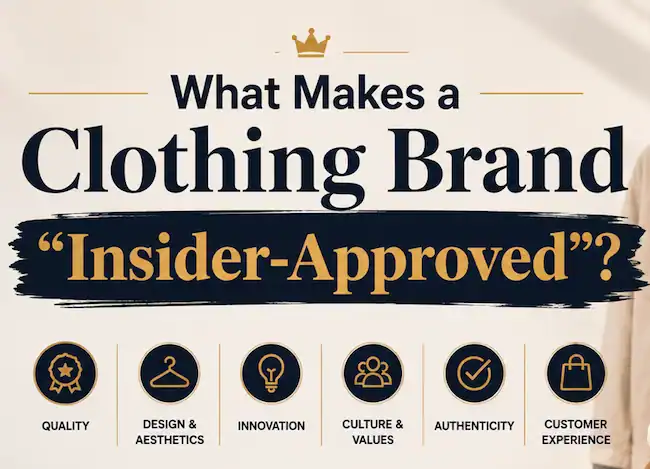
Before exploring the Top 100 Clothing Brands themselves, it’s essential to understand what fashion insiders look for when choosing where to spend their money. Unlike casual shoppers who might be swayed by marketing campaigns or fleeting trends, professionals evaluate brands through a much more discerning lens.

Quality and craftsmanship stand at the forefront of insider preferences. This means examining fabric composition, construction techniques, finishing details, and durability. Fashion insiders know that a well made garment from a thoughtful brand will outlast multiple trend cycles, making it a smarter investment than cheaper alternatives that fall apart after a few washes. They look for brands using premium materials like Italian wool, Japanese denim, organic cotton, and innovative sustainable fabrics that feel luxurious and perform exceptionally.
Design innovation matters tremendously in an industry built on creativity. The biggest fashion brands maintain relevance by constantly evolving while staying true to their aesthetic DNA. Insiders gravitate toward brands with strong creative direction, whether that’s the minimalist sophistication of The Row, the playful experimentation of Jacquemus, or the street culture authenticity of Stüssy. Innovation doesn’t always mean avant garde, it can also mean perfecting a classic white shirt or reimagining activewear with technical excellence.
The balance between brand heritage and emerging talent creates a dynamic fashion landscape. While established luxury houses like Hermès and Chanel offer time tested quality and iconic designs, newer brands often bring fresh perspectives, better sustainability practices, and more accessible price points. Fashion insiders appreciate both ends of this spectrum, mixing vintage Céline with contemporary Ganni or pairing heritage Levi’s with emerging brand Entireworld.
Sustainability and ethics have moved from niche concern to central consideration. Today’s fashion professionals increasingly prioritize brands with transparent supply chains, fair labor practices, and genuine commitment to reducing environmental impact. This doesn’t mean sacrificing style, many of the most innovative designers are leading sustainability efforts, proving that eco conscious fashion can be both beautiful and desirable.
Finally, value proposition matters at every price point. Insiders understand that value isn’t about buying the cheapest option, it’s about cost per wear, versatility, and longevity. A $500 coat that lasts ten years offers better value than a $50 coat that needs replacing annually. This mindset informs how professionals shop across all categories, from investment luxury to accessible basics.
Luxury Powerhouses: The Pinnacle of Fashion
The apex of the fashion hierarchy belongs to luxury powerhouses that have shaped style for generations. These brands represent the ultimate in craftsmanship, design excellence, and cultural cachet.
Heritage Luxury Brands:
The titans of luxury fashion, Chanel, Hermès, Louis Vuitton, Dior, and Gucci, have maintained their positions as top fashion brands in the world through decades of consistent quality and iconic design. Fashion insiders invest in these labels for pieces that transcend trends: a Chanel tweed jacket, a Hermès Birkin bag, a classic Dior Bar jacket, or Gucci loafers. These items carry cultural significance beyond their material value, representing design milestones that remain relevant across generations.
What makes these famous brand names worth their premium prices is uncompromising craftsmanship. A Hermès bag requires 18 to 24 hours of handwork by a single artisan. Chanel maintains specialized ateliers preserving centuries old techniques. This level of dedication to craft justifies price ranges from $500 for small accessories to well over $10,000 for ready to wear and handbags. Fashion insiders view these purchases as long term investments, often passing pieces down through generations.
Contemporary Luxury Leaders:
The contemporary luxury segment includes brands like The Row, Loro Piana, Brunello Cucinelli, Bottega Veneta, and Celine, which have mastered what’s known as “quiet luxury.” These labels eschew prominent logos for impeccable materials and subtle sophistication. The Row, founded by Mary Kate and Ashley Olsen, has become the gold standard for minimalist luxury, with each piece representing thoughtful design and exceptional quality.

Loro Piana specializes in the world’s finest fibers, vicuña, cashmere, and baby cashmere, creating pieces that feel like second skin. Brunello Cucinelli brings Italian craftsmanship and humanistic business practices together, creating clothing that embodies elegant simplicity. With price ranges from $400 to $5,000, these brands appeal to insiders seeking understated sophistication and wardrobe staples that improve with age.
Bottega Veneta’s “intrecciato” woven leather technique and Celine’s clean lined approach to French elegance represent modern luxury that doesn’t scream for attention. These are the brands fashion editors wear to work, stylists recommend for building intelligent wardrobes, and designers respect for their uncompromising vision.
Avant Garde Luxury:
For those seeking artistic expression and boundary pushing design, brands like Balenciaga, Marni, Jacquemus, Loewe, andJil Sander offer conceptual fashion that challenges conventions. Balenciaga under Demna has redefined luxury streetwear and continues making provocative statements about contemporary culture. Jacquemus brings southern French joie de vivre to sculptural, often playful designs that photograph beautifully and wear surprisingly well.
Loewe, under Jonathan Anderson’s creative direction, has become a masterclass in craft driven innovation, particularly in leather goods. Marni delivers eccentric prints and unexpected color combinations that feel joyful rather than costume like. Jil Sander represents German minimalism at its finest, pure lines, perfect proportions, and obsessive attention to detail.
These avant garde labels typically range from $300 to $4,000 per piece and are best suited for statement making. Fashion insiders incorporate these brands strategically, using one strong piece to elevate an otherwise simple outfit.
Contemporary & Premium Brands: Where Style Meets Accessibility
This category represents the sweet spot for many fashion insiders, brands offering designer level quality and aesthetics at more accessible prices.
Designer Contemporary Favorites:
Brands like Ganni, Staud, Reformation, Nanushka, and & Other Stories have revolutionized contemporary fashion by delivering on trend designs with genuine quality at approachable price points. Ganni, the Danish brand, has mastered the art of Scandinavian cool with a playful twist, offering everything from printed dresses to statement outerwear in the $100-$800 range.
Staud brings Los Angeles ease to structured designs, creating pieces that photograph well for social media while actually being wearable. Reformation combines sustainability with feminine, vintage inspired silhouettes that resonate with environmentally conscious shoppers. Nanushka offers vegan leather alternatives that rival traditional leather in both appearance and quality, proving sustainable materials can be luxurious.
& Other Stories, the H&M owned label, punches well above its price point with trend aware pieces that incorporate designer details. Fashion insiders appreciate these brands for filling the gap between fast fashion and true luxury, offering clothing that lasts multiple seasons without requiring luxury level investment.
Premium Essentials:
For building foundational wardrobes, brands like APC, Acne Studios, COS, Everlane, and Theory excel at elevated basics. APC (Atelier de Production et de Création) is legendary for raw denim and perfectly simple pieces that embody French understated chic. Acne Studios brings Swedish minimalism with an edge, offering everything from perfect leather jackets to innovative denim.
COS (Collection of Style) has become a fashion insider secret for affordable minimalism that rivals more expensive brands. Their seasonal collections offer thoughtful design and surprising quality at prices ranging from $80 to $600. Everlane built its reputation on “radical transparency,” showing customers the true cost of production while delivering clean, classic pieces that work for both work and weekend.
Theory specializes in workwear that doesn’t feel stuffy sharp tailoring, comfortable fabrics, and versatile pieces that transition seamlessly from office to evening. These brands are essential for capsule wardrobes, providing the neutral foundations that allow statement pieces to shine.
Streetwear Elevated:
The rise of elevated streetwear has brought brands like Stüssy, Aime Leon Dore, Kith, Noah, and Carhartt WIP into fashion insider wardrobes. These labels bridge the gap between street culture authenticity and premium quality, creating pieces with cultural cachet that justify their $60-$400 price points.
Stüssy, one of the original streetwear brands, maintains credibility through limited releases and collaborations while offering surprising wearability. Aime Leon Dore brings preppy American sportswear into the streetwear realm with exceptional attention to detail and premium materials. Kith founder Ronnie Fieg has built an empire on elevated basics and sought after collaborations.
Noah, founded by former Supreme creative director Brendon Babenzien, incorporates social activism and sustainability into streetwear that feels grown up. Carhartt WIP (Work in Progress) takes the heritage workwear brand’s durable construction and adds European styling, creating pieces that function equally well on construction sites and fashion week streets.
Accessible Fashion: High Style, Lower Price Points
Accessible fashion has evolved dramatically, with several brands now offering genuinely good design and improving quality at democratic prices.
Fast Fashion Done Right:
While fast fashion often gets criticized, brands like Zara, Mango, & Other Stories, Uniqlo, and Massimo Dutti have earned respect from insiders for specific categories. Zara’s design team famously attends fashion weeks and translates runway trends into affordable pieces within weeks. Their Studio collection elevates quality while maintaining accessibility, with prices from $30 to $200.
Mango offers Mediterranean sophistication at approachable prices, with particularly strong tailoring and outerwear. Uniqlo has revolutionized basics through Japanese attention to detail and innovative fabrics like Heattech and AIRism. Fashion insiders stock up on Uniqlo’s collaboration collections with designers like Jil Sander (their +J line) and Marni, which offer incredible value.
Massimo Dutti, part of the Inditex group, provides European elegance at mid range prices, particularly excelling in leather goods and tailoring. While these brands require more careful selection, quality can vary significantly, insiders know which categories deliver the best value.
American Classics:
American heritage brands have experienced remarkable revivals. J.Crew, Banana Republic, Gap, Madewell, and Abercrombie & Fitch have all reimagined themselves for contemporary consumers. J.Crew, once struggling, has returned to its preppy roots with improved quality and thoughtful design under new leadership. Their cashmere, collaborations, and tailored pieces now rival more expensive brands.
Banana Republic has elevated its offerings significantly, particularly in tailoring and work appropriate dressing. Madewell carved out a strong identity around denim and lived in American casual style that resonates with younger professionals. Even Abercrombie & Fitch, once known for teen focused mall fashion, has completely transformed into a brand offering well priced, trend aware pieces for adults.
Gap, while still finding its footing, offers solid basics and impressive collaborations that bring designer cachet to accessible prices. These brands typically range from $40 to $250 and excel at versatile wardrobe foundations that work for multiple occasions.
International Hidden Gems:
European brands like COS, Arket, Sezane, Weekday, and Monki offer alternatives to American casual wear with distinctive European sensibilities. COS continues to be an insider favorite for architectural minimalism and surprising quality at prices from $35 to $300. Arket, H&M’s lifestyle brand, brings Scandinavian design thinking to everything from clothing to homewares.
Sezane, the French direct to consumer brand, delivers Parisian chic with a focus on heritage craftsmanship and vintage inspiration. Their limited collections create urgency while maintaining consistent quality. Weekday and Monki, both H&M owned, target younger consumers with trend forward pieces and progressive values around sustainability and inclusivity.
Athletic & Performance: Where Function Meets Fashion
The athleisure revolution has created a category where performance meets style, with brands that work equally well for workouts and everyday wear.
Premium Activewear:
Lululemon, Alo Yoga, Outdoor Voices, Girlfriend Collective, and Vuori have elevated athletic wear into lifestyle essentials. Lululemon pioneered technical fabrics that perform during intense workouts while looking polished enough for errands or casual Fridays. Their signature Align leggings and Define jackets have achieved cult status among fashion insiders who appreciate the $50-$300 price range for pieces that last.
Alo Yoga brings California wellness culture to activewear that transitions seamlessly from studio to street. Their celebrity following and fashion forward designs make them a favorite for those who value aesthetics alongside performance. Outdoor Voices focuses on “doing things” rather than intense athletics, creating inclusive activewear with playful colors and comfortable fits.
Girlfriend Collective has earned insider respect for genuinely sustainable practices, their leggings are made from recycled water bottles and fishing nets, without compromising on fit or function. Vuori brings menswear inspired design to unisex activewear, with particularly strong performance shorts and joggers that men and women both appreciate.
Heritage Athletic Brands:
Classic athletic brands Nike, Adidas, New Balance, Asics, and On Running maintain relevance through constant innovation and cultural awareness. Nike’s collaborations with designers like Virgil Abloh (Off-White) and Chitose Abe (Sacai) have created sneakers that are equally at home in fashion editorials and on running trails. Their price range of $60 to $250 offers options for every budget.
Adidas, particularly through collaborations with Yohji Yamamoto (Y-3) and Stella McCartney, bridges athletic performance and high fashion. New Balance has experienced a renaissance as vintage and dad shoe trends elevated their classic silhouettes into must have sneakers. Asics offers serious runners technical excellence while also appealing to fashion consumers through retro styled collaborations.
On Running, the Swiss performance brand, has quickly gained fashion credibility for innovative CloudTec technology wrapped in surprisingly sleek designs. These heritage brands prove that performance and style aren’t mutually exclusive, offering pieces that work for actual athletics while looking sharp in casual settings.
Emerging & Indie Brands: The Future of Fashion
The final category represents where fashion is heading, smaller brands with strong points of view, commitment to sustainability, and direct relationships with consumers.
Sustainable Innovators
Brands like Pangaia, Christy Dawn, Entireworld, Boyish Jeans, and Bite Studios are rewriting fashion’s rulebook around sustainability. Pangaia uses bio engineered materials like seaweed fiber and flower dyes to create surprisingly technical casual wear in the $75-$400 range. Their collaborations with scientists and focus on regenerative agriculture represent fashion’s potential future.
Christy Dawn creates romantic dresses from deadstock fabrics, ensuring zero waste while maintaining a distinctive prairie modern aesthetic. Entireworld, founded by designer Scott Sternberg, offers wardrobe staples in bright colors using sustainable materials and ethical production. Boyish Jeans proves sustainable denim can rival traditional options in fit, wash, and style.
Bite Studios brings Swedish design thinking to circular fashion, creating pieces designed for disassembly and recycling at end of life. These brands appeal to fashion insiders who want their purchasing decisions to reflect their values without sacrificing style.
Direct to Consumer Disruptors
The DTC model has enabled brands like Quince, Cuyana, Kotn, and Italic to offer exceptional quality at surprisingly low prices by eliminating traditional retail markups. Quince delivers Mongolian cashmere sweaters for under $50 and silk essentials for under $100, prices that seem impossible until you understand their direct manufacturing relationships.
Cuyana built its brand around “fewer, better things,” encouraging thoughtful consumption of beautifully crafted leather goods and essentials in the $40-$300 range. Kotn works directly with Egyptian cotton farmers to create supremely soft basics while supporting farming communities through fair trade practices. Italic takes the membership model approach, offering luxury quality goods at wholesale prices to subscribers.
These brands represent the democratization of quality, making well made pieces accessible to consumers who previously couldn’t afford premium brands.
Cultural Moment Brands
Finally, brands like Telfar, Wales Bonner, Collina Strada, Bode, and Sandy Liang represent fashion’s cutting edge, labels that capture current cultural conversations while creating genuinely covetable pieces. Telfar’s “Shopping Bag” became a democratic luxury icon, with drops selling out in minutes despite inclusive pricing around $150-$250.
Wales Bonner brings Afro Atlantic diaspora narratives into luxury menswear that’s collected by museums and worn by style leaders. Collina Strada makes joyful, sustainable fashion that celebrates diversity and community. Bode transforms vintage textiles into one of a kind menswear that appeals to collectors willing to invest $150-$1,500 in wearable art.
Sandy Liang brings nostalgic New York Chinatown references to feminine, playful designs that photograph beautifully while remaining surprisingly wearable. These brands matter not just for what they make, but for the conversations they start and the communities they build.
How Fashion Insiders Shop These Brands
Understanding which brands matter is only half the equation, knowing how to shop them strategically maximizes value and builds cohesive wardrobes. Fashion insiders employ several key strategies when navigating clothing brands top 100.
The investment strategy involves mixing high and low thoughtfully. Insiders might pair a $2,000 The Row coat with $50 Uniqlo turtlenecks and $150 Everlane jeans, allowing the investment piece to elevate the entire outfit. They understand that not every item needs to be expensive, strategic splurges on timeless pieces from the best brands in the world, combined with well chosen affordable items, create more interesting and sustainable wardrobes than buying everything at one price point.
Trend versus timeless decisions guide purchasing across categories. For experimental trends, bright colors, bold prints, or of the moment silhouettes, insiders often shop accessible brands like Zara or & Other Stories. For classics that will remain relevant for years, perfect white shirts, tailored blazers, quality denim, they invest in established brands known for longevity. This approach allows fashion experimentation without financial regret when trends inevitably change.
Building a capsule means selecting brands that work together cohesively. Fashion insiders often have favorite combinations, perhaps APC denim with The Row knitwear, or Acne Studios leather jackets with Ganni dresses. Understanding each brand’s aesthetic DNA helps create outfits where pieces from different labels feel intentionally coordinated rather than randomly assembled.
The seasonal shopping calendar helps insiders maximize value. They know when luxury brands discount (typically January and July), when contemporary brands offer best selection (early in season), and when accessible brands restock core items (continuously). Shopping pre season for investment pieces and end of season for trend items optimizes both selection and value.
Authentication tips become essential when shopping top fashion brands in the world, particularly through resale channels. Insiders know what to look for: quality of stitching, hardware weight, label placement, and material feel. They use reputable authentication services for big ticket items and develop relationships with trusted resellers. Understanding authentication protects against counterfeits while enabling access to archived pieces and sold out styles.
Shopping Smart: Where to Find These Top 100 Clothing Brands
Knowing where to shop matters almost as much as knowing what to buy. Fashion insiders leverage multiple channels to access the biggest fashion brands while maximizing value.
Multi brand retailers like Net-a-Porter, SSENSE, Nordstrom, Matches Fashion, and Farfetch offer curated selections from hundreds of brands, making them one stop destinations for discovering new labels alongside established favorites. These platforms often provide exclusive collaborations, early access to new collections, and editorial content that helps contextualize products. Their sale periods offer legitimate opportunities to purchase luxury items at significant discounts.
Department stores including Bloomingdale’s, Saks Fifth Avenue, Selfridges, and Harrods provide physical shopping experiences where you can touch fabrics, try on pieces, and receive personalized styling advice. Many offer strong personal shopping services that provide insider access to new arrivals and exclusive pieces. Their loyalty programs often include early sale access and special events.
Direct brand websites increasingly offer the best selection, exclusive products, and first access to new releases. Many brands reward direct purchases with better customer service, easier returns, and membership programs that provide discounts and special access. Shopping directly also ensures authenticity, a genuine concern when dealing with famous brand names that are frequently counterfeited.
Outlet and sample sale resources help insiders access luxury for less. Legitimate outlets for brands like Theory, Vince, and rag & bone offer previous season items at 30-70% off. Sample sale websites and events provide opportunities to purchase runway samples and overstock from top fashion brands in the world at dramatic discounts. However, insiders are selective, not all outlet merchandise is created equal, with some brands creating lower quality pieces specifically for outlets.
Resale and vintage platforms including The RealReal, Vestiaire Collective, Depop, and Grailed enable sustainable luxury while providing access to archived pieces and sold out items. Fashion insiders often find better value in pre owned designer pieces than new fast fashion, as quality luxury maintains its condition and value. These platforms also offer opportunities to discover vintage pieces from heritage brands that are no longer in production.
Regional Breakdown: Best Brands by Location
Fashion preferences vary significantly across regions, influenced by climate, culture, and local retail landscapes. Understanding regional favorites helps target shopping when traveling and explains why certain brands dominate specific markets.
Top Clothing Brands Popular in USA
American consumers gravitate toward a mix of heritage American brands, accessible contemporary labels, and aspirational luxury. Brands like J.Crew, Madewell, and Everlane resonate particularly strongly, offering casual sophistication that aligns with American lifestyles. Athleisure brands including Lululemon, Alo Yoga, and Nike maintain exceptional popularity in the US, where gym culture and casual dress codes make activewear everyday essentials.
Celebrity backed labels like Kim Kardashian’s SKIMS and Rihanna’s Fenty have achieved remarkable success, leveraging celebrity influence into genuine businesses. American shoppers also enthusiastically embrace European luxury brands as status symbols and investment purchases. Best shopping destinations include New York’s Fifth Avenue, Los Angeles’s Melrose Avenue, and emerging fashion scenes in Austin and Nashville.
UK Fashion Favorites
British consumers show strong loyalty to homegrown brands while embracing international labels. British heritage brands like Burberry, Mulberry, and Alexander McQueen maintain cultural significance, while contemporary UK brands like Self Portrait and Rixo have gained international followings. London’s influence on global fashion cannot be overstated, the city’s street style often sets trends that eventually reach other markets.
UK shoppers particularly appreciate Scandinavian brands like COS, Arket, and Ganni, whose minimalist aesthetics complement British sensibilities. The UK’s high street culture means brands like Zara, H&M, and Topshop (despite recent challenges) play significant roles. London’s Selfridges, Liberty, and Harrods provide unmatched luxury shopping experiences, while Dover Street Market offers cutting edge curation.
Canadian and Australian Must Knows
Canadian fashion balances American influence with European sophistication, with strong local brands like Aritzia, Kit and Ace, and Smythe gaining international recognition. Climate considerations make outerwear particularly important, with Canada Goose and Mackage dominating the luxury winter coat market. Canadian shoppers show strong interest in sustainable and ethical brands, perhaps influenced by cultural values around environmentalism.
Australian fashion reflects the country’s beach culture and outdoor lifestyle, with brands like Zimmermann, Aje, and Spell creating romantic, vacation ready pieces that have gained global cult followings. The climate demands versatile pieces that work across varying temperatures, making linen, breathable fabrics, and layering essentials particularly popular. Australian consumers show sophisticated awareness of international brands while supporting local designers. Major shopping destinations include Melbourne’s Chapel Street and Sydney’s Paddington neighborhood.
FAQs
What are the top 100 clothing brands that offer the best quality for the price?
The best value across price points includes several standout performers. In the accessible range ($30-$150), Uniqlo leads for innovative basics, COS offers unexpected quality minimalism, and Everlane provides transparent pricing on well made essentials. Mid range options ($150-$500) like APC, Theory, and & Other Stories deliver near luxury quality without luxury pricing. For investment pieces ($500+), brands like The Row, Loro Piana, and Acne Studios offer genuine luxury that justifies higher prices through exceptional materials and construction that outlast cheaper alternatives by years.
Which famous brand names do fashion editors wear most often?
Current insider favorites span multiple price points, reflecting the high low mixing approach that defines modern fashion. Editors frequently wear Toteme for Scandinavian minimalism, The Row for refined basics, Khaite for modern American elegance, and Loewe for craft driven luxury pieces. For accessible options, editors consistently turn to Zara for trend pieces, Mango for Mediterranean sophistication, and COS for elevated basics. The key insight is that editors build wardrobes around quality investment pieces from top fashion brands in the world, then supplement with carefully selected affordable items that feel current without demanding long term commitment.
Are the biggest fashion brands always the best choice?
Brand recognition doesn’t automatically equal quality or value. While heritage luxury brands like Chanel, Hermès, and Louis Vuitton maintain exceptional standards, their premium pricing includes significant brand prestige costs. For many categories, lesser known brands offer equal or superior quality at lower prices because you’re not paying for extensive marketing and brand heritage. Emerging sustainable brands often provide better innovation and ethical practices than established luxury houses slow to change. The smartest approach considers brand reputation alongside specific product quality, your actual needs, and values alignment rather than defaulting to famous names.
How do I identify which clothing brands top 100 suit my personal style?
Matching brands to personal style starts with honest self assessment of your aesthetic preferences and lifestyle needs. Minimalists gravitate toward brands like The Row, COS, Jil Sander, and APC that emphasize clean lines and neutral palettes. Maximalists prefer Marni, Gucci, and Zimmermann for bold prints and statement pieces. Classic dressers find homes at Brooks Brothers, Theory, and Banana Republic. Trendy fashion enthusiasts follow Ganni, Jacquemus, and Zara for seasonal relevance. Athletic lifestyles align with Lululemon, Alo Yoga, and Outdoor Voices. The most successful wardrobes combine a core brand that matches your primary aesthetic with accent brands that add variety and interest.
What are the best brands in the world for sustainable and ethical fashion?
Sustainable fashion leaders operate across all price points with varying approaches. Patagonia remains the gold standard for environmental activism and durable outdoor wear. Reformation combines sustainability with trend awareness in contemporary fashion. Stella McCartney pioneered luxury sustainability with vegetarian materials and transparent practices. Pangaia innovates with bio engineered materials and regenerative agriculture. Girlfriend Collective creates activewear from recycled materials. Kotn and Everlane emphasize supply chain transparency and fair labor. Eileen Fisher operates a circular economy through its take back program. The common thread among ethical leaders is genuine commitment to sustainability rather than greenwashing, demonstrated through transparent practices, innovative materials, and long term environmental strategies.
Summary:
Navigating the modern fashion landscape requires understanding not just which brands exist, but which ones deliver genuine value, quality, and style worth your investment. This comprehensive guide to the top 100 clothing brands reveals that fashion insiders don’t simply shop the most expensive or famous options, they strategically mix heritage luxury with emerging indie labels, investment pieces with accessible trends, and established names with sustainable innovators.
The clothing brands top 100 span every possible category, from ultra luxury houses like Hermès and The Row to accessible favorites like Uniqlo and COS, from avant garde experimentalists like Balenciaga to sustainable pioneers like Pangaia. What unites them is a commitment to their particular vision, whether that’s uncompromising craftsmanship, innovative design, ethical production, or exceptional value. Understanding these brands empowers smarter shopping decisions that build wardrobes with longevity, versatility, and personal expression.
The best brands in the world aren’t necessarily the most expensive or most famous, they’re the ones that align with your personal style, values, and budget while delivering quality that justifies the investment. Whether you’re drawn to quiet luxury, bold statements, athletic performance, or sustainable innovation, these top fashion brands in the world offer entry points at every level. The key is shopping thoughtfully, mixing price points strategically, and building a wardrobe where each piece, regardless of its label, earns its place through quality, versatility, and genuine appeal.
Fashion insider wisdom isn’t about buying everything expensive or following every trend, it’s about knowing where each brand excels, when to invest versus experiment, and how to create a cohesive personal style that reflects who you are. Armed with this knowledge of the biggest fashion brands and emerging challengers reshaping the industry, you can shop with the confidence and discernment of a professional stylist, building a wardrobe that serves you well for years to come.