

After eight plus years of testing luggage brands side by side, the question “is swissgear luggage good?” lands in my inbox more than almost any other. The short answer: it depends entirely on how often you fly and what you expect from your bag. This review breaks down exactly what SwissGear delivers, where it falls short, and whether your money is better spent elsewhere.
Key Takeaways
SwissGear luggage is a solid option for occasional travelers who want a decent looking suitcase without spending premium prices. Most pieces retail around $80 to $110, which puts them firmly in budget territory. For a person flying two or three times a year, that price to performance ratio often feels like good value.
That said, the “Swiss” in SwissGear refers to brand heritage, not where the luggage is built. The swissgear brand is owned by Wenger, which Victorinox acquired in 2005. Modern swissgear luggage, both softside and hardside, is manufactured in China, which is standard for this price range but worth knowing before you pay.
Spinner wheels and telescoping handles are the most commonly reported failure points. Multiple customers describe wheels cracking, detaching, or going wobbly after just a handful of trips. The warranty claim process has also drawn heavy criticism for being slow and unhelpful.
Buying from a retailer like Amazon or Costco is usually safer than purchasing directly from SwissGear’s website, because retailer return policies are simpler and faster than navigating a warranty claim when something breaks early.

Pros:
- Budget friendly pricing, often under $100 per piece
- Clean styling that looks more expensive than it costs
- Practical interior organization with multiple pockets and dividers
- Variety across softside, hardside, backpacks, and travel accessories
Cons:
- Spinner wheels and handles are frequent weak points
- Product quality appears to have declined compared to older models
- Warranty process is slow, with many claims resulting in small coupons rather than replacements
- Not built for weekly or heavy travel use
What SwissGear Actually Is (Brand, Ownership, and Where It’s Made)
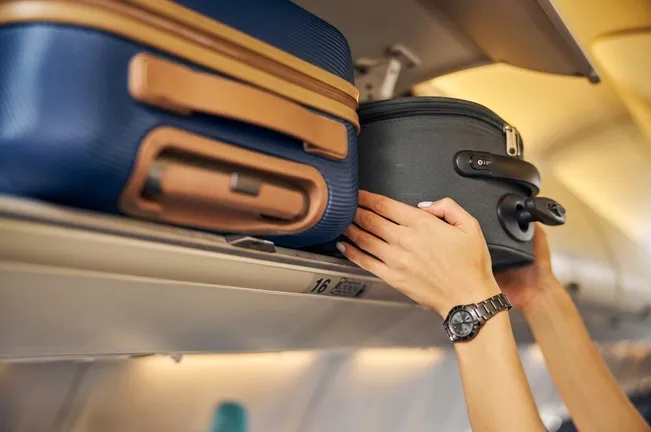
A lot of shoppers see “Swiss” on the label and assume their new suitcase was crafted somewhere in the Alps. That’s not the case for swissgear luggage.
The swissgear brand is operated by Wenger SA, founded in 1893 in Switzerland’s Jura region. Wenger originally made Swiss Army knives, and in 2005 it was acquired by Victorinox, the company most people associate with the iconic red handled knife. So the swiss heritage is real in terms of ownership and design lineage.
The true Swiss manufacturing tradition, though, mainly applies to Victorinox knives. SwissGear luggage, backpacks, and most travel accessories are manufactured in China. This isn’t an accusation, it’s simply how the industry works at this price point. Samsonite, Delsey, and dozens of other brands do the same thing.
What it means for you as a buyer: you’re getting budget friendly, mass market luggage with a recognizable brand name, not hand built swiss gear. Swiss Gear luggage includes products ranging from backpacks to wheeled suitcases, all designed under that Wenger umbrella but produced overseas.
That’s perfectly fine as long as your expectations match the reality. Think of it the way you’d think of a car brand, designed in one country, assembled in another.
Is SwissGear Luggage Good Overall?
The most honest answer: SwissGear is decent, low cost luggage with clear trade offs. SwissGear luggage is designed for durability and functionality, and at its best, it delivers both. At its worst, components fail earlier than they should.
Strengths include the price tag (often under $100 for a carry on or checked bag), styling that punches above its weight class, and interiors packed with organizational features. The SwissGear Sion is considered a bargain bag that regularly earns praise for its storage layout and water resistant polyester. The SwissGear 7366 luggage set is well rated for its price, especially when picked up on sale.

Weaknesses are harder to ignore. Mixed long term durability tops the list, spinner wheels and telescoping handles are reported as weak points across dozens of reviews. Many customers have also been extremely disappointed by the warranty claim process, which we’ll cover in detail below.
Quality seems to have declined compared with older SwissGear pieces purchased in the late 2000s and early 2010s. Repeat buyers who remember those earlier models frequently say the newer stuff doesn’t hold up the same way. Some customers report swissgear luggage looks worn after just one trip.
If you fly a few times a year for holidays or a cruise, SwissGear may be “good enough.” If you’re a weekly business traveler dragging a bag through terminals every Monday morning, you’ll likely outgrow it fast.
Build Quality and Real World Durability
Over eight plus years of hands on testing alongside brands like Travelpro, Samsonite, and Delsey, SwissGear consistently lands in the middle of the pack. Not the worst, not the best, solidly mid range in materials and construction.
Softside models use polyester fabrics that feel decent to the touch. The SwissGear Sion’s polyester exterior, for example, is resistant to stains and abrasions, and it scored well in water spray tests from OutdoorGearLab. Hardside options feature ABS or polycarbonate style shells. The ABS hardside shell resists cracking and scuffing under normal conditions, though it won’t survive the kind of abuse that premium polycarbonate cases shrug off.
Seams and zippers are usually fine under light to moderate loads. Pack your clothes, shoes, belts, and a few travel accessories, and everything holds together. But zippers on SwissGear luggage can break after minimal use under heavier or rougher handling, several users report broken zipper sliders after just a few trips.
Spinner wheels remain the main weak link. More on that in the next section.
Telescoping handles can feel a bit wobbly on some models, especially once the bag is fully loaded. That wobble makes the bag feel cheaper than it looks, and it gets worse over time. The SwissGear Sion weighs 7.3 pounds when empty, which is reasonable, but add 20 plus pounds of belongings and a loose handle becomes noticeable fast.
Spinner Wheels, Handles, and How the Bags Roll
Here’s an idea worth internalizing: for most travelers, wheels and handles matter more than fabric thickness. You can live with a small scuff on the shell. You can’t live with a wheel that won’t roll.
SwissGear spinner wheels perform well enough on airport tile and carpet. The SwissGear Signature Spinner features four 360 degree multi directional wheels, which glide smoothly across flat surfaces. On cobblestones, cracked sidewalks, or cruise ship decks? That’s where trouble starts. Swiss Gear models can struggle to roll on rough terrain, and the plastic wheel housings are a documented stress point.
Some users reported wheels failing after limited use, cracking, detaching, or the rubber disintegrating after a handful of trips. Longer term owners note that wheels may wear out or deteriorate after several years of even moderate use. Trustpilot reviews and retailer feedback confirm this pattern repeatedly.
Handles on some carry on models are reported as wobbly under load. Walking long distances through a terminal with a swissgear bag that rattles with every step gets tiring. Many models only offer two height stops, which limits ergonomic fit depending on the person’s height.
If you often walk on rough streets, use public transport, or drag bags over curbs, consider sturdier two wheeled designs or higher end spinner brands. The convenience of four wheel spinners isn’t worth much if the wheels snap off mid journey.
Design, Organization, and Everyday Usability
The swissgear brand does one thing really well at this price: making luggage that looks more expensive than it costs. Clean lines, simple color options, and a polished aesthetic give these bags strong first impressions.
Interior layouts are genuinely useful. SwissGear luggage includes multiple internal and external pockets for organization, zippered dividers, mesh compartments, tie down straps, and sometimes removable wet bags for separating damp clothing from dry clothes. If you’re a pocket lover, these designs will appeal to you. The SwissGear Sion has a main storage capacity of 40.5 liters, which is roomy enough for a week’s worth of packed clothing in a carry on format. Exterior pockets add handy quick access storage for your phone, wallets, snacks, or boarding passes.
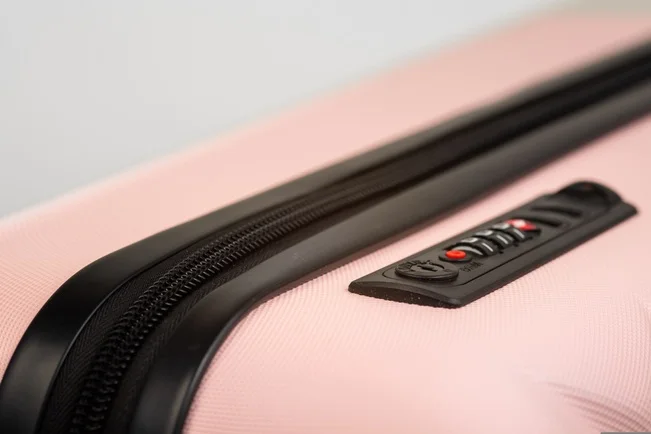
SwissGear luggage offers good organizational features for the price. Select Swiss Gear backpacks feature “ScanSmart” lay flat technology for TSA checks, which makes security screening faster. SwissGear luggage also features a TSA friendly lock for security on hardside models, so you can protect your stuff without worrying about customs cutting your zipper open.
Many Swiss Gear carry on cases push the upper edge of airline carry on size limits, especially once expanded. Overstuffing can force a gate check, so keep that in mind before you pack one more pair of shoes.
Three piece sets that nest together, the small case fitting inside the medium, the medium inside the large, are convenient for home storage and make the luggage set feel more space efficient when not in use. Many sets come in three sizes to cover carry on, medium checked, and large checked needs.
Warranty, Customer Service, and Why So Many People Are Angry
Customer service is the single biggest criticism of SwissGear, and it often overshadows the actual luggage performance. SwissGear’s customer service has received numerous complaints across review platforms, and the pattern is consistent enough to be a real concern.
Here’s how the warranty breaks down:
| Purchase Source | Typical Warranty Length |
| Retailers (Amazon, Costco, department stores) | Up to 5 years limited |
| SwissGear.com direct | Up to 10 years limited |
SwissGear requires a cumbersome warranty process for returns. Warranty claims often require extensive documentation and photos, proof of purchase, detailed images of the damage, descriptions of what happened, and the product information label from inside the bag. Some customers report being asked to physically cut labels from the bag and ship them in for verification.
Customers report long delays in warranty claim responses, often waiting four to six weeks or more. Claims are frequently denied as “wear and tear” or “handling damage,” even when the owner believes it’s a manufacturing defect. Many customers received discount coupons of 15-25% instead of replacements or repairs, which feels insulting when you purchased the bag expecting the warranty to stand behind it.
If easy after sales support matters to you, buy from retailers with straightforward return windows. A Costco or Amazon return is almost always faster and less painful than filing a warranty claim with SwissGear directly.
A shipment that arrives damaged or defective is much easier to handle through Amazon’s return system than through SwissGear’s own process, where you may spend weeks waiting for a response.
Price and Value for Money
SwissGear sits firmly in the budget to lower midrange segment. SwissGear luggage often retails around $80 to $110 for a single piece, and a three piece luggage set can be found for under $300 at retailers or during sales. At Costco or Marshalls, set deals sometimes drop even lower.
Swiss Gear offers a good value for budget to mid tier travelers. What you get at this price is a reasonable price for decent looks, functional interior organization, and acceptable performance for a few trips a year. Swiss Gear offers a high quality product at a reasonable price point relative to the budget segment, not premium quality, but better than throwing money at no name box store luggage that falls apart on the first trip.
Compared to ultra cheap alternatives, SwissGear is a clear step up. When a bag lasts several vacations without major issues, it represents excellent value for what you paid. That makes it great value for families or students on tight budgets.
Against premium brands like Tumi, Rimowa, or high end Travelpro models, which cost two to five times more, SwissGear loses out on wheel robustness, frame strength, handle feel, and responsive warranty support. Swiss Gear is generally considered a good value brand rather than a premium one, and the cost difference reflects that gap.
Frame SwissGear as a sensible choice when replacing old luggage on a tight budget. Just don’t buy expecting a decade of heavy use from a bag that costs less than a nice dinner for two.
Who SwissGear Is Good For (And Who Should Avoid It)
Not every bag is right for every traveler. Here’s a quick match up to help you figure out if SwissGear fits your life.
SwissGear works well for:
- Occasional travelers taking one to four trips a year
- Families heading on vacation or a cruise who need multiple bags without breaking the bank
- Students who need a sturdy enough bag for a semester abroad
- Anyone who wants a decent looking new suitcase at a reasonable price
Swiss Gear bags can last for many years, with some lasting over a decade when treated gently and used occasionally. That’s a solid lifespan for a budget bag.
You should probably skip SwissGear if you’re:
- A weekly business traveler dragging a carry on through airports every week
- Airline crew or a digital nomad living out of a bag
- Someone who relies on strong warranty support and quick repairs
- A person who had a great older SwissGear bag from many years ago and expects the same experience from newer models
That last point is worth emphasizing. Build and service feedback has shifted over time, and assuming you’ll get the same experience from a 2025 model as a 2010 model isn’t a safe bet.
Buying Tips: How to Get the Best Experience With SwissGear
How and where you buy SwissGear often matters more than which exact model you pick. Here are practical tips that can save you headaches.
Buy from retailers with generous return policies. Costco, Amazon, and large department stores let you return defective bags quickly. That’s far easier than navigating a warranty claim where you’re waiting weeks for a response, submitting photos, and hoping for more than a coupon. If your bag arrives and the wheels don’t roll smoothly out of the box, a store return takes minutes.
Inspect everything on arrival. Before you commit to a big trip, roll the bag fully loaded across different surfaces at home, tile, carpet, rough concrete. Test the handle at every height stop. Open every zipper. Check that the spinner wheels don’t wobble. Catching problems early means you can return within the window instead of fighting a warranty battle later.
Don’t abuse the bag. Avoid chronic overpacking, sitting on the suitcase to close it, or dragging it up and down stairs. These behaviors trigger the same wheel and handle failures that fill review pages. Treat a budget bag like a budget bag and it’ll serve you longer.
Keep your receipts. Save order confirmations, take quick photos of tags and labels with your phone the day the bag arrives. If you ever need to file a warranty claim, having documentation ready will save you time and frustration. Some claims require the interior label to be cut out and mailed, knowing where it is matters.
Verdict: Is SwissGear Luggage Worth It?
Rating: 6.5 out of 10
For under $100 per piece, SwissGear offers good quality relative to its price tier. Used a few times a year, treated with reasonable care, and purchased from a store with easy returns, it’s a perfectly acceptable choice. The styling, organization, and variety across softside, hardside, and backpacks give budget shoppers plenty to work with.
The biggest drawbacks are wheel and handle durability, plus a warranty claim system that many customers describe as slow, unhelpful, or unfair. Product quality has reportedly dipped compared to what the brand delivered years ago, and that trend is concerning for anyone expecting longevity.
Frequent flyers, people who check bags on every trip, or anyone who depends on strong after sales support should step up to more robust brands. The extra cost pays for itself in fewer replacements and less frustration.
If you’re weighing SwissGear against other options, check out our full guide to the best suitcase brand for a side-by-side on durability, price, and warranty.
FAQ
Is SwissGear actually made in Switzerland?
SwissGear is owned by Wenger, which became part of Victorinox in 2005, so the branding is genuinely Swiss in origin. The design heritage and brand identity trace back to Switzerland’s long history of precision manufacturing.
That said, modern SwissGear luggage and backpacks are manufactured in China, similar to most mainstream luggage in this price range. The “Swiss” label refers more to brand heritage and design influence than to current factory locations.
Chinese manufacturing isn’t automatically bad, the vast majority of luggage sold worldwide is made there. Just make sure your expectations align with the budget positioning rather than imagining a hand crafted alpine workshop.
Is SwissGear a good brand for carry on luggage?
SwissGear carry on spinners are a reasonable choice for travelers who fly a few times a year and want something affordable and decent looking. Practical features like multiple pockets, compression straps, and spinner wheels make moving through an airport straightforward.
Frequent flyers may outgrow SwissGear quickly. Reports of spinner wheels and handles wearing out under heavy use are common enough to be a real concern for anyone traveling monthly or more. At that frequency, spending more on a sturdier carry on pays off in reliability and peace of mind.
How does the SwissGear warranty work in practice?
Warranty length depends on where you purchased the product. Items bought through retailers like Amazon typically carry up to 5 years of coverage, while those purchased directly from SwissGear’s website may get up to 10 years.
Claims usually require proof of purchase, photos or videos of damage, and sometimes physical tags cut from the bag and mailed in. Many customers report slow responses, denials for “normal wear and tear,” and compensation limited to small discount coupons instead of full repair or replacement. Treat the warranty as a limited backup plan, not a guarantee, and rely more on retailer return policies for early issues.
Why do some people say their old SwissGear was better?
Several long time users report their SwissGear bags from a decade ago feel sturdier and lasted longer than newer purchases. Design updates, cost cutting, and changes in factory sourcing over the years can all affect how a bag performs over time.
If you loved an older swissgear bag, evaluate current models and reviews with fresh eyes instead of assuming identical durability. Luggage is a high wear item, and even established brands can shift quality up or down across different product generations.
Is SwissGear good value compared with other budget brands?
SwissGear usually offers better organization, styling, and perceived good quality than ultra cheap, no name suitcases at similar prices. When a bag lasts several years of light use, it often feels like money well spent, especially for under $100 per piece.
Against more expensive competitors, SwissGear loses on wheel robustness, frame strength, and responsive warranty support. Compare your own travel frequency and budget to decide if saving money up front is worth accepting those trade offs. For light travelers, it’s often worth it. For road warriors, it rarely is.
Sources & References
This review is based on verified brand ownership records, product listings, customer feedback, and independent sources. Key references used in this article: